
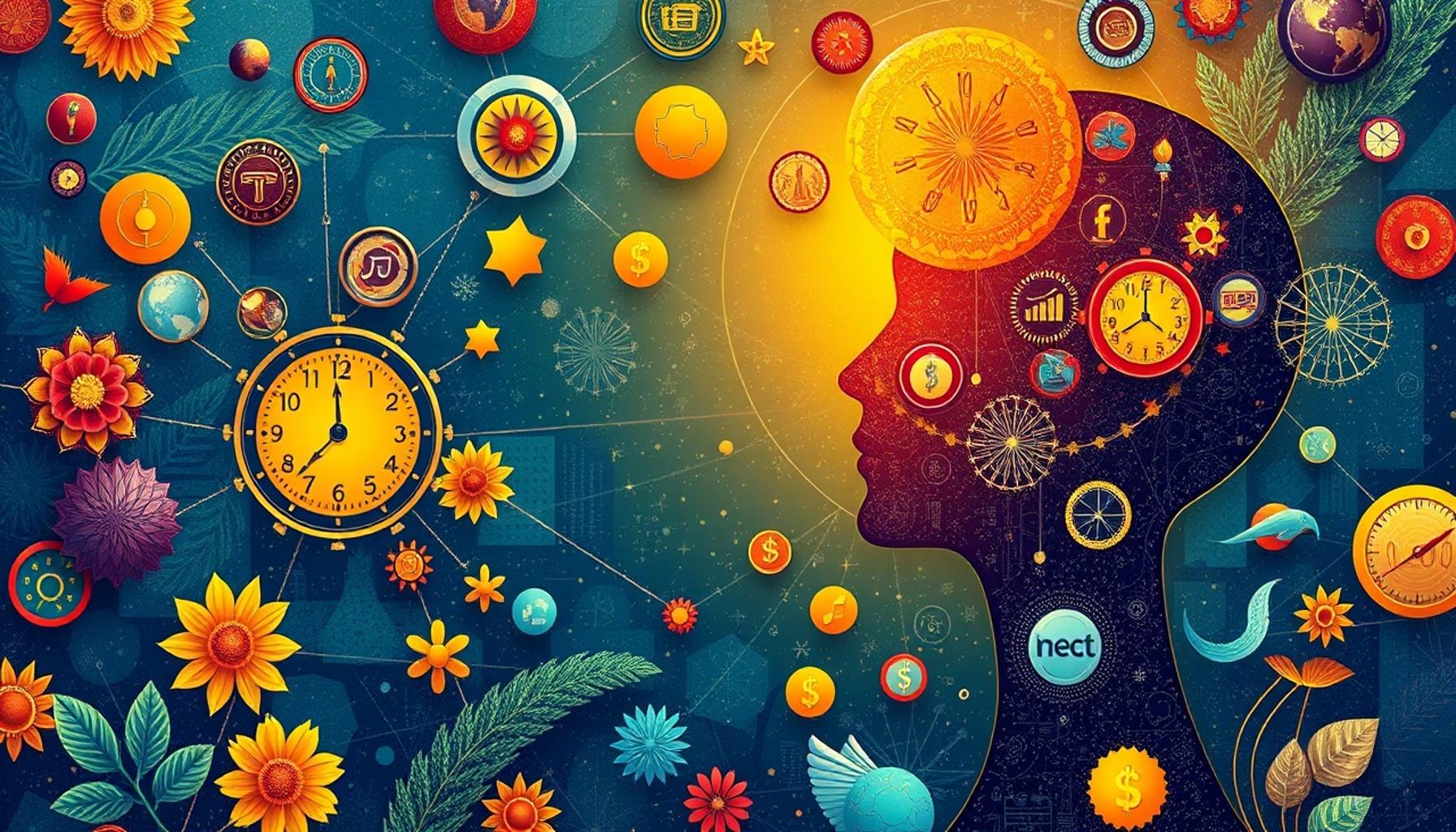
The Impact of Digital Distraction on Mental Health
In our technology-driven society, the onslaught of notifications, emails, and social media updates can create a constant hum of stress that many individuals find challenging to escape. Recent studies indicate that over 70% of Americans feel overwhelmed by their digital devices, often reporting heightened levels of anxiety and distraction. This phenomenon not only affects mental well-being but can significantly impact productivity. Fortunately, the development of mindfulness digital tools presents innovative methods to mitigate these issues.
Exploring Mindfulness Digital Tools
The core idea behind using technology to encourage mindfulness is to transform potential distractions into supportive resources. Many applications are designed to help users cultivate a more focused and centered life, turning down the noise of the digital world. Here are some essential features of these tools:
- Meditation Apps: Platforms like Headspace and Calm provide guided meditations tailored for busy schedules. These apps often include features such as daily reminders and themed meditation sessions, accommodating both novice and experienced users. For instance, Calm offers sleep stories that help ease users into a restful night, blending narrative with soothing sounds.
- Time Management Tools: Apps like Trello and Todoist allow users to prioritize tasks visually, thereby reducing the overwhelming feeling associated with deadlines. By categorizing tasks and setting realistic time frames, individuals can manage their schedules more effectively and regain a sense of control over their workloads.
- Focus Enhancers: Tools like Forest encourage concentration by rewarding dedicated focus time. Users plant virtual trees as they maintain their focus, creating a captivating visual representation of their productivity. This gamified approach not only promotes discipline but also provides a sense of accomplishment, making focus feel like an engaging and rewarding activity.
Utilizing these resources can significantly enhance the balance between digital engagement and personal well-being. As the demand for effective time management and stress reduction continues to rise, it is crucial for individuals to explore and adopt these technologies. For instance, during particularly busy work weeks or periods of emotional strain, apps that facilitate mindfulness can become essential allies in maintaining mental clarity and managing stress.
The Broader Implications of Mindfulness Tools
As we further investigate the various aspects of mindfulness digital tools, it becomes clear that their value extends beyond immediate stress relief. By promoting healthy time management and mindfulness practices, these applications empower users to take control of their lives within the chaotic sphere of the information age. Engaging with these technologies not only helps individuals reclaim their attention but also fosters a culture of mindfulness where balance, reflection, and self-care are prioritized.
In conclusion, the marriage of mindfulness and technology offers an enlightening pathway to navigate today’s digital landscape. By embracing these innovative tools, individuals can cultivate a more profound sense of well-being and efficiency, ultimately leading to a healthier, more satisfying lifestyle.
DISCOVER MORE: Click here to enhance your time management skills
Harnessing Technology for Mindful Living
As the digital age proliferates, individuals are finding themselves in a paradoxical situation where technology, meant to simplify life, often complicates it further. The 24/7 connectivity allows for more information than ever, yet it also creates an environment ripe for distraction and overwhelm. Recognizing this, many have turned to mindfulness digital tools as a response to the frenetic pace of life in the information age. These tools not only facilitate better time management but also offer pathways to reduce stress, allowing users to navigate a landscape flooded with constant alerts and distractions.
The Functionality of Mindfulness Tools
Understanding how mindfulness tools operate is essential for maximizing their benefits. They often encompass a variety of functionalities designed to engage users’ attention positively and help cultivate a tranquil mindset amidst chaos. Here are some primary functionalities that enhance productivity and mindfulness:
- Daily Check-ins: Many mindfulness apps offer features allowing users to perform check-ins about their mental health and emotional state. This can be a simple prompt that encourages users to reflect on their stress levels, helping to cultivate self-awareness and promote emotional regulation.
- Customization: Tools like Stress.org and Insight Timer enable users to tailor their mindfulness practices to fit personal preferences. Whether opting for a quick 3-minute breathing exercise or a more extended meditation session, personalized settings ensure that each user can address their unique stressors effectively.
- Community Engagement: Platforms like Insight Timer provide users opportunities to connect with like-minded individuals. Engaging within a community helps to create a sense of belonging and support, making the journey toward mindfulness less isolating and more collaborative.
Furthermore, the seamless integration of these tools into daily life is a significant factor in their appeal. For instance, integrating mindfulness practices into work schedules can enhance focus and efficiency. Studies suggest that even short, frequent breaks for mindfulness activities can boost productivity by allowing mental resets throughout the day. One notable study from the University of Washington found that employees who engaged in brief mindfulness exercises were 26% more productive, underscoring technology’s role as a promoter of well-being.
Real-World Applications of Mindfulness Tools
Beyond theoretical benefits, the practical applications of mindfulness apps in real-world scenarios reveal their transformative potential. People navigating high-pressure environments—such as corporate settings or academic institutions—have reported increased resilience and improved mental clarity when utilizing these resources. For example, sales teams using time management tools have experienced a significant decrease in missed deadlines, contributing to overall job satisfaction. Incorporating mindfulness practices not only refines individual performance but also positively influences organizational culture.
As more individuals embrace the benefits of mindfulness digital tools, it becomes clear that they represent a necessary evolution in how we engage with technology. Rather than viewing digital platforms purely as sources of distraction, recognizing them as tools for mindfulness can pave the way for a balanced, fulfilling life in the information age.
| Advantage | Description |
|---|---|
| Enhanced Focus | Digital tools designed for mindfulness can help redirect your attention away from distractions, enabling a more concentrated workflow. |
| Reduced Stress Levels | Mindfulness apps offer techniques such as guided meditation and breathing exercises that can significantly lower stress levels throughout the day. |
In our fast-paced information age, the ability to manage time effectively while reducing stress has never been more critical. Digital mindfulness tools provide accessible solutions for overwhelming workloads. These tools not only enhance productivity but also support mental well-being, allowing users to cultivate a more balanced approach to their tasks. By incorporating such tools into daily routines, individuals can discover healthier coping mechanisms that foster an improved quality of life. The application of technology in this arena encourages users to prioritize their mental health while also maximizing performance, setting the stage for a more harmonious existence amid the chaos of digital distractions. Exploring these advantages reveals a pathway to greater clarity and focus in an age where distractions run rampant.
DIVE DEEPER: Click here to uncover more insights
Integrating Mindfulness into Everyday Routines
The integration of mindfulness digital tools into everyday routines not only enhances personal well-being but also serves as a powerful strategy for managing time effectively. In a world where distractions pile up, these tools enable users to streamline their mental focus and prioritize tasks, ultimately making room for deeper connections and relaxation. As lifestyles grow increasingly hectic, leveraging technology to cultivate mindfulness can lead to significant improvements in both productivity and quality of life.
The Role of Reminders and Alerts
One of the more innovative features offered by mindfulness applications is the strategic use of reminders and alerts. These gentle nudges can serve as cues for users to take a moment to breathe, stretch, or simply pause. Taking micro-breaks has been shown to boost productivity by restoring cognitive function and enhancing creativity. For instance, a study published in the Journal of Occupational Health Psychology found that employees who received timely reminders for short mindfulness practices experienced lower levels of fatigue and increased focus compared to those who did not. Such practical applications can effectively counteract the negative effects of chronic stress and information overload.
Time Blocking with Mindfulness Techniques
Another effective method stemming from mindfulness practices is time blocking— a technique that involves allocating specific time slots for focused work while incorporating mindful activities between these intervals. Tools like Trello and Todoist now feature options that allow users to integrate mindfulness breaks into their schedules. By harnessing these digital platforms to allocate time for meditation, journaling, or even a quick walk, individuals can not only manage their work tasks but also prioritize their mental well-being. This approach can lead to more satisfactory work outputs, significantly reducing stress levels across various professional settings.
Gamification and Motivation
Furthermore, some mindfulness tools have embraced gamification, turning the cultivation of mindfulness into an engaging experience. Numerous apps, such as Headspace and Calm, employ rewards and challenges to motivate users. This approach not only bridges the gap between productivity and wellness but also promotes sustainable habits. According to research conducted by the University of Southern California, users who participated in gamified mindfulness programs exhibited significantly higher levels of engagement and commitment to their mental health routines. This trend highlights a crucial pivot in how technology can reshape traditional views about mindfulness practice into a dynamic, enjoyable activity.
Mindfulness and Work-Life Balance
The emphasis on work-life balance is increasingly prevalent in businesses across the United States, and mindfulness digital tools are at the forefront of promoting this change. Enterprises that provide access to these apps often see marked improvements in employee satisfaction and emotional wellness. Tech giants like Google and Microsoft have implemented mindfulness workshops and meditation spaces, alongside app subscriptions to foster a culture of mindfulness in the workplace. This trend reflects a broader recognition that mental well-being is integral to optimizing performance and reducing burnout among employees.
Incorporating mindfulness digital tools into daily life calls for experimentation and adaptability. As individuals explore various applications and techniques, they ultimately discover what resonates with their lifestyles, shaping a more intentional relationship with technology in a fast-paced world. As the information age evolves, the power of mindfulness can bring clarity and calm, fostering resilience in the face of perpetual digital noise.
DISCOVER MORE: Click here to dive deeper
Conclusion: Embracing Mindfulness in a Digital World
As we navigate the complexities of the information age, the integration of mindfulness digital tools offers a beacon of hope for individuals seeking to reclaim their time and reduce stress. These applications and techniques serve as vital allies, enabling users to enhance focus, create balance, and foster emotional well-being amid the digital chaos. By harnessing features such as reminders, time blocking, and gamification, individuals can transform their daily routines into experiences that promote not only productivity but also resilience and creativity.
Moreover, organizations across the United States are recognizing the profound impact of mindfulness on employee satisfaction and overall workplace culture. As businesses embrace these tools, they contribute to a wider movement that champions mental wellness as a cornerstone of success. The evolving landscape of mindfulness technology is democratizing access to mental health resources, encouraging us all to explore and experiment with practices that resonate personally.
Ultimately, the journey towards mindful living in a fast-paced world is both an individual and collective endeavor. As we uncover new ways to harmonize our technological landscapes with mindful approaches, we cultivate a deeper connection to ourselves and those around us. As a result, we not only manage our time more effectively but also enable a more fulfilling, balanced life amidst the myriad distractions that define our digital realm.
Related posts:
How Virtual Assistants are Revolutionizing Personal Organization and Time Management
Time Management in the Digital World: Tools to Help Prioritize Tasks and Increase Focus
Leveraging Digital Tools for Goal Setting and Tracking Personal Progress
Automation and Efficiency: Exploring Digital Tools for Personal and Professional Organization
Real-Time Collaboration: The Impact of Digital Tools on Project Management and Team Productivity
Using Habit-Tracking Apps to Build Consistency and Boost Personal Productivity

Beatriz Johnson is a seasoned productivity strategist and writer with a passion for simplifying the complexities of time management and personal organization. With over a decade of experience in efficiency optimization, she specializes in topics like workflow design, habit formation, and productivity systems for modern professionals. Through her work, Beatriz empowers readers to take control of their schedules, eliminate overwhelm, and stay ahead in today’s fast-paced world.