Unraveling Mysteries: How Puzzle Games Stimulate Critical Thinking and Creativity

Unlocking New Perspectives
Puzzle games are not just a source of entertainment; they are platforms that challenge our minds and enhance our cognitive abilities. Through engaging with these games, players unlock pathways to improved critical thinking and creativity. This article explores how these seemingly simple activities can lead to profound benefits.
Why Puzzle Games Matter
Puzzle games provide various advantages, making them popular among diverse audiences. Here are a few key benefits:
- Enhanced Problem-Solving Skills: Players are often faced with intricate scenarios that require analytical reasoning. By assessing a problem from different angles and devising unique solutions, players hone their ability to tackle real-life challenges. For instance, a player working on a logic puzzle may need to quickly identify patterns and relationships, skills directly transferable to fields like data analysis and engineering.
- Increased Patience and Resilience: The nature of puzzle games often involves trial and error. Learning to overcome frustrating obstacles helps foster perseverance. For example, a challenging jigsaw puzzle may take hours to complete, but the satisfaction derived from finally placing the last piece can build a sense of accomplishment and grit, qualities that are essential in both personal and professional contexts.
- Boosted Creativity: Many puzzles encourage players to think outside the box, leading to innovative ideas. Games like “Portal” and “The Witness” challenge players to visualize solutions that aren’t immediately apparent, enhancing creative thinking that can contribute to artistic endeavors, business innovation, and problem-solving in everyday life.
Examples of Puzzle Games
A wide range of puzzle games caters to different interests and skill levels, making them accessible and engaging for all ages. Notable examples include:
- Sudoku: A numbers game that sharpens analytical thinking. With varying levels of difficulty, Sudoku enhances logical reasoning while keeping the mind engaged, often making it a favorite among students and adults alike.
- Crossword Puzzles: These word games not only expand vocabulary but also enhance cognitive connections. They encourage players to recall information stored in their long-term memory, providing a fun way to improve language skills while enjoying some downtime.
- Escape Room Games: These immersive experiences demand teamwork and creative problem-solving. Challenges within escape rooms often include a mix of physical puzzles and riddles, fostering collaboration. They have gained popularity across the United States, serving as fantastic bonding experiences for friends, families, and coworkers.
As we dive deeper into the world of puzzle games, it becomes clear that they serve as a foundation for mental growth, offering lessons that extend beyond the screen. Through different types of puzzles, players not only enhance their mental faculties but also discover new joys in learning and accomplishment. Join us in uncovering the mysteries of how these captivating games stimulate our minds.
DIVE DEEPER: Click here to discover more
The Cognitive Benefits of Engaging with Puzzle Games
Puzzle games have become a staple in both casual and competitive gaming landscapes. The allure of these games extends beyond simple enjoyment; they foster an environment conducive to cognitive development. As players engage with various forms of puzzles, they can experience a multitude of mental benefits that enhance critical thinking and creativity. Let’s delve into the specific cognitive benefits that arise from playing puzzle games.
Sharpening Analytical Skills
One of the primary advantages of puzzle games is their ability to sharpen analytical skills. Players regularly encounter problems that require logical reasoning and systematic approaches to arrive at solutions. For example, playing games like “2048” or “Candy Crush” pushes players to formulate strategies that maximize their scores, prompting them to analyze patterns and anticipate future moves. This practice refines their analytical capabilities, making them applicable in real-life scenarios, such as project management or strategic planning.
Encouraging Lateral Thinking
Lateral thinking, the ability to approach problems indirectly and creatively, is another key component enhanced by puzzle games. Games like “Portal” or “Braid” challenge players to navigate through unconventional scenarios, breaking free from traditional thought processes. By encouraging players to deviate from the obvious path, these games stimulate not only critical analysis but also a twist of creativity. Players learn to consider innovative solutions they might not have otherwise entertained.
Fostering Memory Retention
Engaging with puzzle games also benefits memory retention. Games such as “Simon” or “Memory” require players to remember sequences or match pairs, enhancing both short-term and long-term memory skills. This practice aids in increasing the brain’s capacity to retain and retrieve information—a skill particularly relevant for students and professionals who need to recall vast amounts of data efficiently.
Building Strategic Thinking
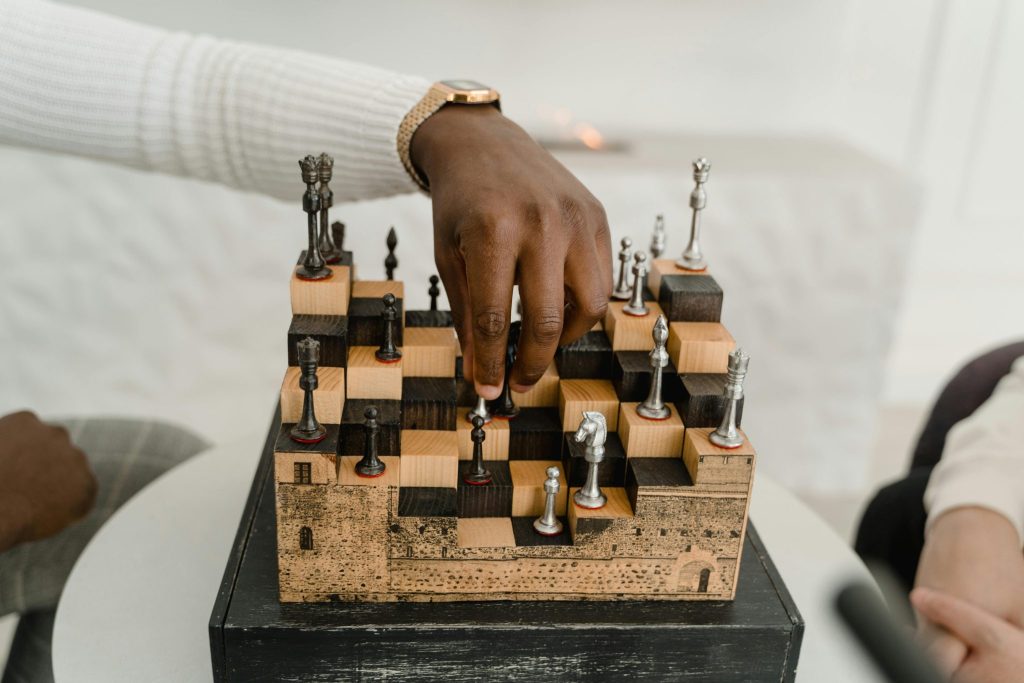
Puzzle games often require players to devise strategies that can change dynamically. Engaging with games like “Chess” or “Settlers of Catan” strengthens a player’s ability to foresee consequences, weigh their options, and make informed decisions. Players develop tactical planning abilities that are beneficial in various domains, such as business negotiations or competitive sports.
The Social Aspect of Puzzles
Even in the solitary nature of many puzzle games, the social component cannot be overlooked. Multiplayer puzzle games, such as “Words with Friends” and “Escape Room” challenges, cultivate collaboration and communication skills. They encourage players to work together to solve intricate challenges, enhancing interpersonal skills while fostering a sense of community. This collaborative effort leads to shared experiences and collective problem-solving, further reinforcing cognitive skills in a social setting.
As we can see, puzzle games serve as more than just a pastime; they are a potent tool for cognitive enhancement. Through sharpened analytical skills, lateral thinking, improved memory, and strategic planning, players can leverage these benefits beyond the gaming landscape into everyday life. Understanding these aspects can encourage more individuals to explore the fascinating world of puzzles, igniting a passion for continuous learning and brain development.
Exploring the Cognitive Impact of Puzzle Games
Puzzle games have emerged as a compelling medium that integrates fun with skill development. These games vary from traditional jigsaw puzzles to contemporary brain teasers and strategic board games, each contributing uniquely to cognitive growth. The stimulating nature of puzzles facilitates an engaging environment where players actively solve problems and make decisions, thereby honing their critical thinking skills. As individuals navigate through challenges, they often encounter complex scenarios requiring innovative solutions. This process is not just mentally taxing but immensely enriching, as it fosters creative thinking. Players must engage their imagination, visualize solutions, and apply logic, leading to a holistic approach toward problem-solving that transcends mere gameplay. Several studies indicate that chronic exposure to puzzles can improve brain function, enhancing memory and attention span. For instance, people who regularly engage in puzzle activities have reported better spatial reasoning skills, equipping them to tackle real-life challenges more effectively. Furthermore, as players progress through levels, they experience a sense of achievement, which can bolster their confidence and willingness to confront complex problems in various domains of life.In addition, many puzzle games encourage collaboration and competition, further amplifying their educational value. Team-based puzzles require individuals to communicate, share ideas, and respect diverse perspectives, ultimately enriching social cognition.
Benefits Beyond the Screen
The influence of puzzle games extends beyond mere entertainment, branching into personal development and societal contributions. Players cultivate the ability to manage stress and navigate frustrations, skills that are vital in both personal and professional settings. As individuals become more adept at tackling puzzles, they develop a resilient mindset that translates to their everyday lives. Incorporating puzzle games into educational settings is another growing trend. Schools and learning centers are recognizing the value of these games in enhancing students’ performance in subjects like Mathematics and Science through practical application. The challenges presented by puzzles can transform learning from a passive endeavor into an interactive experience, making complex concepts more accessible and enjoyable. Overall, the continuous engagement with puzzle games promotes a culture of lifelong learning. As players strive to solve intricate problems, they unknowingly embrace a cycle of inquiry that develops not just mental faculties, but also emotional intelligence, paving the way for a well-rounded approach to learning and growth.
| Cognitive Skills | Benefits |
|---|---|
| Critical Thinking | Enhances problem-solving abilities through strategic thinking. |
| Creative Thinking | Encourages innovative solutions and diverse perspectives. |
Continuing this journey into the world of puzzles will undoubtedly reveal further benefits as you delve deeper into the interplay between fun and functionality, driving critical thinking and creativity to new heights.
DISCOVER MORE: Click here to learn how jigsaw puzzles boost your brain power
Enhancing Problem-Solving Skills Through Engaging Challenges
Puzzle games uniquely cater to improving problem-solving skills, a vital component of critical thinking and creativity. As players immerse themselves in different scenarios, they are constantly faced with obstacles that require innovative solutions. The need to evaluate potential outcomes, consider various strategies, and respond flexibly to changing conditions parallels real-life challenges, making these gaming experiences both educational and entertaining.
Real-World Applications of Puzzle Game Strategies
The strategic thinking fostered by puzzle games translates seamlessly into numerous real-world scenarios. For instance, in business settings, leaders often utilize skills honed by engaging in games like “Sudoku” or “Crossword puzzles.” The ability to structure thoughts and dissect information is crucial when addressing challenges such as resource allocation or staff management. Moreover, studies indicate that employees engaged in puzzle-solving activities display better teamwork and communicate more effectively—skills essential for a thriving workplace.
The Role of Time Constraints in Decision-Making
Many puzzle games introduce an element of time pressure, which enhances a player’s ability to make quick decisions while maintaining high accuracy. Games like “Tetris” or real-time strategy puzzles encourage individuals to think on their feet, significantly bolstering both analytical prowess and adaptability. This heightened capacity to work under pressure has been linked to improved performance in high-stakes environments, from emergency responses to financial trading, where split-second decisions can have major consequences.
Boosting Emotional Intelligence through Collaborative Puzzles
Puzzle games are not only about cognitive skills; they also play a role in enhancing emotional intelligence. When players collaborate in games like “Portal 2” or participate in online escape rooms, they must communicate, negotiate, and resolve conflicts to reach their goals. This interaction often leads to increased empathy and understanding among team members, as they learn to appreciate diverse perspectives and approaches to problem-solving. Emotional intelligence is increasingly recognized as a vital asset in leadership and social interactions, making these gaming experiences invaluable.
Cultivating a Growth Mindset
Game developers intentionally craft puzzle games to be both challenging and rewarding. This design encourages a growth mindset, wherein failure becomes a stepping stone to success. Players of games like “The Witness” or “The Legend of Zelda: Breath of the Wild” quickly learn that persistence is key to overcoming even the most daunting challenges. This mentality not only fosters resilience but also ignites creativity by prompting players to think outside the box and explore unconventional solutions.
Evidence from Research Studies
Research has substantiated the cognitive benefits provided by puzzle games. A study conducted by the University of California found that individuals engaging with puzzles regularly displayed significant improvements in both memory recall and problem-solving capabilities compared to those who engaged in less cognitively demanding activities. Furthermore, a report from the American Psychological Association noted that playing strategy puzzles enhances reasoning abilities and increases dopamine production, leading to greater motivation and creativity in learning.
With a myriad of benefits ranging from improved analytical skills to better teamwork abilities, puzzle games provide an engaging platform for personal growth and cognitive development. Such games continue to prove their worth in a world where complex problem-solving and creative thinking are indispensable assets across various domains. Embracing the challenge of puzzles not only entertains but also builds the mental framework necessary for navigating life’s complexities.
DISCOVER MORE: Click here to learn how VR puzzles are transforming cognitive training
Conclusion: The Intricate Dance of Fun and Learning
In summary, puzzle games represent a fascinating nexus of entertainment and cognitive growth, serving as catalysts for enhancing critical thinking and creativity. As highlighted throughout this exploration, these engaging challenges not only sharpen problem-solving skills but also translate valuable strategies into real-world applications, whether in business, education, or social interactions. The pressure of time constraints encourages quick thinking, while the collaborative nature of many puzzles cultivates emotional intelligence and teamwork.
The profound impact of puzzle games is further backed by research, indicating that regular engagement in these activities can lead to significant gains in memory recall and reasoning abilities. This makes them invaluable tools for individuals looking to thrive in an increasingly complex world. Additionally, the growth mindset promoted by overcoming challenges in gaming fosters resilience and encourages players to approach problems with creativity rather than avoidance.
As we continue to navigate a landscape that demands constant adaptation and innovation, embracing puzzle games can provide a unique and enjoyable way to build critical skills. From casual players seeking to improve their cognitive abilities to professionals aiming to enhance their decision-making processes, the benefits of engaging with puzzles are both accessible and wide-ranging. Therefore, the next time you find yourself immersed in a puzzle game, remember that you are not just playing; you are actively training your mind for the complexities of life.
Related posts:
Interactive Puzzles: The Role of Digital Technologies in Enhancing Problem-Solving Skills
Developing Resilience Through Mental Challenges: The Importance of Logic Games
The Psychology Behind Logic Games: How Problem Solving Can Improve Your Critical Thinking
The Role of Visual Puzzles in Learning Techniques for Solving Complex Problems
The Impact of Board Games on Group Problem Solving: Collaboration and Creativity in Action
Developing Problem-Solving Skills Through Puzzles: Effective Methods and Strategies

Linda Carter is a writer and puzzle expert specializing in mind games, brain teasers, and cognitive challenges. With extensive experience helping individuals enhance their problem-solving skills and think critically, Linda shares her knowledge on our platform. Her goal is to empower readers with practical advice, engaging puzzles, and strategies to sharpen their minds and achieve success in the captivating world of mind games and puzzles.