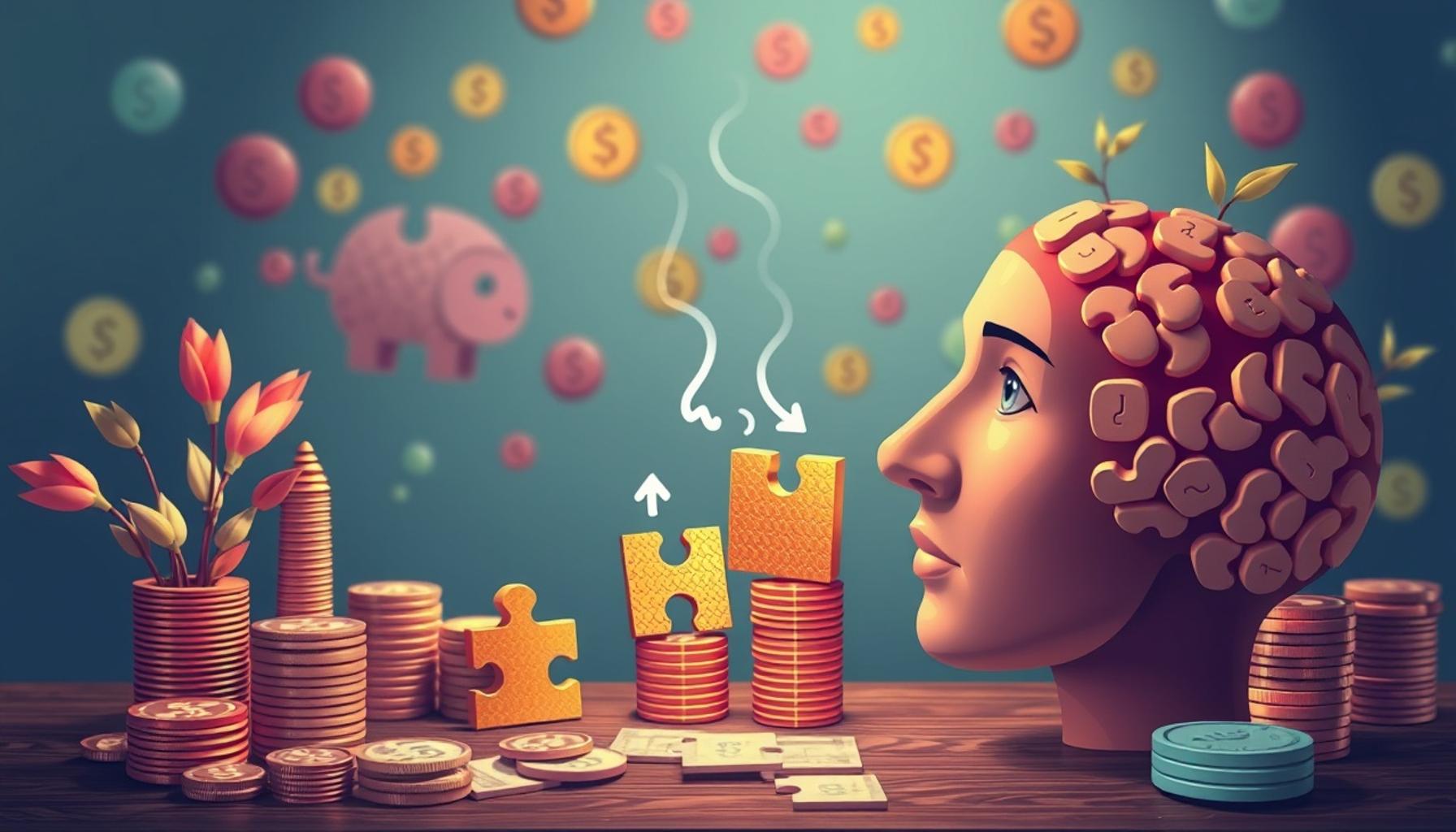
The Role of Mind Games in Boosting Mental Agility Among Seniors

The Importance of Cognitive Vitality in Aging
As individuals advance in age, the significance of maintaining cognitive vitality becomes increasingly evident. This aspect of health is not just a fleeting concern; it lays the foundation for a fulfilling and vibrant life. Mental agility plays a pivotal role in enabling seniors to effectively navigate daily tasks, maintain independence, and enjoy richer interactions with family and friends. Engaging in mind games emerges as a compelling strategy to bolster this essential mental flexibility.
The Benefits of Mind Games
Mind games are more than a source of entertainment; they serve as powerful tools for cognitive enhancement, offering a myriad of benefits tailored to seniors’ needs. Here’s a closer look at some of these benefits:
- Improved memory: Regular engagement in mind games can enhance both recall and recognition skills. For example, practicing memory-related activities like card matching games can strengthen neural pathways involved in memory.
- Enhanced problem-solving abilities: Activities such as crosswords and Sudoku require critical thinking and strategy, encouraging seniors to approach challenges with renewed vigor. This problem-solving exercise is akin to a workout for the brain, promoting resilience.
- Increased social interaction: Participating in group games fosters communication and connection among peers. Shared activities, such as playing bridge or trivia games, can improve social skills and reduce feelings of loneliness.
The Scientific Backing
Numerous studies highlight the profound impact of cognitive activities on the aging brain. Research shows that seniors who regularly engage in mentally stimulating activities exhibit slower rates of cognitive decline compared to those who do not. Activities like crossword puzzles, Sudoku, and memory games stimulate various areas of the brain, helping to keep cognitive functions sharp.
Simple board games, such as chess or checkers, also serve as effective mental exercise tools. They not only challenge strategic thinking but also create opportunities for social interaction, further enhancing their cognitive benefits.
Beyond Mental Agility
The positives of engaging in mind games extend beyond mere mental agility. Regular engagement in these activities can lead to improved mood and a significant reduction in feelings of isolation. As seniors connect through shared experiences, they often find a greater sense of belonging, which is crucial for emotional well-being.

Embracing Mind Games for Healthy Aging
With an extensive array of evidence supporting the importance of mind games, it becomes vital to incorporate them into daily life as part of a healthy aging strategy. By embracing cognitive activities, seniors can cultivate not only sharper minds but also richer, more connected lives.
Join us as we explore practical techniques and recommendations to foster a sharper, happier mind through the power of mind games, revealing the fascinating connection between cognitive engagement and the aging process. Together, we can unveil new pathways to a more vibrant and fulfilling life in our golden years.
DON’T MISS: Click here to delve deeper
Unlocking Cognitive Potential: Mind Games as a Tool for Seniors
In a world where technology and information flow at an unprecedented rate, mental agility has become a crucial asset for seniors seeking to navigate the challenges of everyday life. The decline in cognitive capability often associated with aging doesn’t have to be a foregone conclusion. Enter mind games—strategically designed, brain-teasing activities that not only entertain but also serve as vital exercises for the brain. These engaging challenges can effectively stimulate cognitive functions, fostering mental agility and resilience.
Mind games come in various forms, offering seniors choice and flexibility when seeking cognitive stimulation. Whether it’s traditional puzzles, card games, or modern electronic brain teasers, the options are plentiful and cater to diverse interests. This variety ensures that seniors can find the right fit for their abilities and preferences, making the process of mental exercise enjoyable rather than daunting. Here are a few popular mind games that have gained traction among older adults:
- Crosswords and Word Searches: These classic puzzles not only challenge vocabulary and spelling skills but also promote memory recall and cognitive flexibility. They require seniors to think critically about language, enhancing fluid intelligence as they search for solutions.
- Sudoku: This number-placement puzzle hones logic and number skills. Regular engagement can help improve pattern recognition, a critical component of cognitive agility that is valuable in various problem-solving scenarios.
- Memory Card Games: These games are excellent for enhancing short-term memory and concentration. They encourage players to remember the location of cards while strategizing the best possible moves—a fun way to exercise the working memory.
- Chess and Checkers: Both of these strategic board games promote critical thinking and foresight. Players must anticipate their opponent’s moves while planning their strategies, fostering deep cognitive engagement.
Participation in these games can instill a sense of achievement and boost self-esteem, as seniors overcome challenges and celebrate successes. Furthermore, engaging in mind games has been shown to improve not only memory and reasoning skills but also develop greater emotional resilience. This effect is particularly significant, as the mental challenges presented by these games encourage a mindset focused on growth and adaptation.
Scientific literature supports the notion that engaging in cognitive activities can yield lasting benefits. A study published in the journal “Neurology” demonstrated that older adults who engaged in mentally stimulating activities, including puzzles and brain games, exhibited a slower rate of cognitive decline than those who remained inactive intellectually. This correlation indicates that the brain, much like muscle, thrives on exercise and challenges.
Alongside cognitive benefits, engaging in mind games fosters a sense of community among seniors. Regular participation in group games not only facilitates social interaction but also promotes emotional health by reducing feelings of isolation. Whether played in a senior center, community hub, or at home with family, these games become a cherished part of social gatherings.
As we delve deeper into the world of mind games, it’s evident that these activities offer a blend of enjoyment and cognitive enhancement. With every puzzle solved or game played, seniors are not just passing time; they are actively shaping their mental landscape for a more vibrant, fulfilling life. In the following sections, we will explore practical tips and strategies to integrate these mind games into daily routines.
| Activities | Advantages |
|---|---|
| Puzzle Games | Enhance problem-solving skills and encourage creative thinking. |
| Memory Games | Stimulate cognitive function and improve memory retention, crucial for everyday activities. |
| Card Games | Encourage strategic thinking and social interaction among peers. |
| Board Games | Foster teamwork and improve focus while having fun. |
Engaging in mind games can significantly contribute to maintaining and enhancing mental agility among seniors. These activities offer a plethora of benefits that aid in staving off cognitive decline commonly associated with aging. For instance, puzzle games encourage seniors to think critically and develop problem-solving skills, essential for daily decision-making.Furthermore, memory games serve a dual purpose, stimulating cognitive functions while reinforcing memory retention, an area that often requires attention as one ages. Card games not only promote strategic thinking but also provide a social platform for seniors to interact, fostering relationships that can combat loneliness.Board games are another excellent avenue, as they foster teamwork and enhance focus, providing both cognitive and emotional benefits. Thus, the integration of various mind games into the daily routines of seniors is not just a pastime but a crucial element in promoting mental agility and overall health.
DISCOVER MORE: Click here to dive deeper
Social Connections and Cognitive Stimulation: The Double Advantage
The benefits of mind games extend far beyond individual cognitive enhancement; they play a pivotal role in fostering social connections among seniors as well. As individuals age, maintaining social ties becomes increasingly important for emotional well-being. Engaging in mind games often promotes friendly competition, which not only ignites cognitive engagement but also cultivates camaraderie and companionship. Participating in games with peers, friends, or family members can turn solitary activities into vibrant social events, enhancing both mental stimulation and emotional comfort.
Community centers and senior living facilities across the United States have recognized this dual advantage, offering structured mind game sessions to bring seniors together. These environments encourage not just interaction but also teamwork and collaboration, enhancing both mental agility and social skills. Studies indicate that when seniors engage in group cognitive activities, they report lower levels of loneliness and higher satisfaction with their social lives. The impact of such communal engagement is profound; improved mood and mental health can significantly contribute to overall cognitive resilience.
This interconnectedness highlights an essential aspect of mental agility: it often thrives in a collaborative atmosphere. Playing board games or card games in teams encourages communication and shared strategies, allowing seniors to bond while sharpening their cognitive abilities. This shared exposure to problem-solving situations not only boosts mental agility but also fosters a sense of belonging that is invaluable for emotional health.
Digital Mind Games: Bridging Generational Gaps
In today’s tech-driven world, digital mind games are carving out a significant niche among seniors. With the proliferation of smartphones and tablets, many seniors are discovering a world of interactive mind games designed specifically for their needs. From cognitive training apps that target memory and speed to online multiplayer games that connect them with players worldwide, these digital platforms have transformed the landscape of mental exercises. The advantage of such tools lies in their adaptability; many apps feature adjustable difficulty levels that cater to individual capabilities, allowing users to progress at their own pace.
Furthermore, engaging with technology serves a dual purpose—it not only provides cognitive challenges but also encourages seniors to become more familiar with digital devices, which can alleviate feelings of frustration when navigating modern technology. This empowerment leads to more confidence in using online platforms, enhancing their ability to connect with loved ones, access resources, and even participate in virtual activities. The fusion of cognitive stimulation and technological literacy reduces the digital divide, encouraging active participation in a predominantly digital society.
Brain Games as a Lifelong Habit
Incorporating mind games into daily routines can become a lifelong habit that catalyzes sustained mental agility. Fostering a mindset of continual learning and adaptation is essential. Bringing a playful approach to cognitive activities can encourage seniors to view challenges as opportunities for growth rather than obstacles. For instance, setting a daily goal to solve a crossword puzzle or play a round of Sudoku can create a structured time for mental exercise that integrates seamlessly into their lives.
Moreover, family involvement can exponentially enhance this learning experience. When younger generations engage with seniors in mind games, they not only inject new energy and enthusiasm into the activity but also create valuable intergenerational connections. This dynamic exchange can further buttress the cognitive benefits by providing different perspectives and strategies that enrich the gameplay.
As we continue to explore the world of mind games and their implications, it’s evident that the avenues for enhancing mental agility among seniors are abundant and varied. By embracing these cognitive tools and the communal environments they create, seniors stand to gain not just improved cognitive functions but also a richer, more connected quality of life.
DISCOVER MORE: Click here to learn about how jigsaw puzzles can boost your brain power
Conclusion: Embracing the Power of Mind Games
In conclusion, the role of mind games in boosting mental agility among seniors cannot be underestimated. As we have explored, these cognitive activities offer a multitude of benefits that extend beyond mere entertainment. From enhancing memory and problem-solving skills to fostering vital social connections, mind games serve as a crucial tool in combating cognitive decline and enriching the lives of older adults.
The integration of both traditional board games and modern digital platforms presents seniors with diverse avenues to challenge their minds while actively engaging with others. The additional layer of community involvement significantly contributes to emotional well-being, creating environments that champion both mental and social health. Furthermore, by embracing technology, seniors can bridge generational gaps, fostering relationships and enhancing familiarization with digital tools—all of which are essential in today’s interconnected world.
Incorporating mind games into daily routines encourages a culture of lifelong learning and resilience, instilling in seniors a mindset to view challenges as opportunities. As families actively participate in these activities, the bond between generations strengthens, creating an engaging atmosphere where knowledge and joy can be freely exchanged.
Ultimately, the commitment to regular mental exercises through mind games empowers seniors to take charge of their cognitive health, leading to a more vibrant, connected, and fulfilling life. As awareness grows, it is essential for caregivers, families, and communities to foster and promote these practices, paving the way for seniors to thrive in their golden years.
Related posts:
Investigating the Connection Between Video Games and Enhanced Cognitive Flexibility
How Daily Puzzle Challenges Can Improve Cognitive Resilience
How Brain Teasers Enhance Problem-Solving Skills in Children
The Impact of Mind Puzzles on Mental Agility in Adults
The Effects of Collaborative Puzzle Solving on Team Mental Agility
How Virtual Reality Puzzles are Redefining Cognitive Training

Linda Carter is a writer and puzzle expert specializing in mind games, brain teasers, and cognitive challenges. With extensive experience helping individuals enhance their problem-solving skills and think critically, Linda shares her knowledge on our platform. Her goal is to empower readers with practical advice, engaging puzzles, and strategies to sharpen their minds and achieve success in the captivating world of mind games and puzzles.