The Relationship Between Card Games and the Improvement of Sustained Attention in Adults
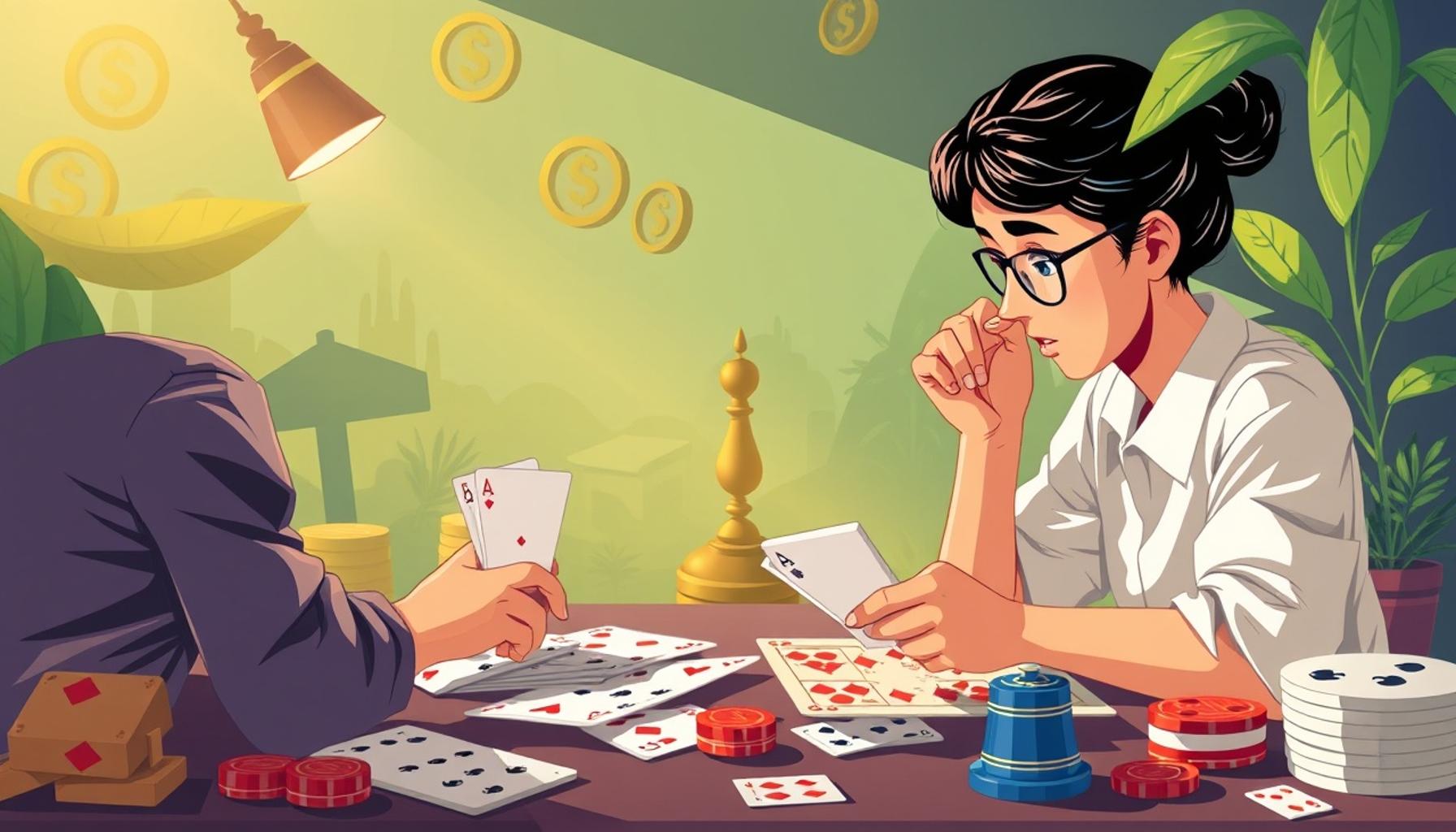
The Cognitive Benefits of Playing Card Games
In the hustle and bustle of modern life, maintaining sustained attention has become an increasingly daunting task for many adults. Amid the chaos of distractions, an unexpected ally in this battle for focus may lie within the simple act of playing card games. Beyond mere entertainment, these games serve as powerful tools for cognitive enhancement and mental acuity. This article explores the intriguing connections between playing cards and cognitive development, highlighting how these activities can have long-lasting benefits for the mind.
Card games are fundamentally more than just a diversion; they incorporate various elements that actively stimulate the brain. Each game demands strategic thinking, critical memory functions, and engaging social interactions. Some of the key features that link card games to improved cognitive attention include the following:
- Strategic Thinking: Every hand dealt is a new opportunity for decision-making, requiring players to think several steps ahead. Games like Poker or Bridge challenge participants to assess risks and rewards, honing their ability to strategize effectively.
- Memory Usage: Players must recall game rules, the cards previously played, and opponents’ strategies. For instance, in games like Rummy, remembering which cards have been laid down can significantly enhance one’s chances of winning.
- Routine Interaction: Engaging with others fosters a competitive spirit that keeps the brain actively involved. Regularly participating in a game night with friends can also help build social bonds, enhancing emotional intelligence as well.
Research supports the notion that adults who regularly partake in card games can experience marked cognitive improvements. For example, studies have shown that these games can:
- Enhance short-term memory, as players recall card combinations and sequences.
- Improve problem-solving skills by navigating complex scenarios presented during gameplay.
- Boost attention span as players concentrate on the game, resisting distractions from the surrounding environment.
Delving deeper into the psychology of these benefits reveals several mechanisms at play. Engaging in card games can sharpen neural connections, making the brain more adaptable to challenges. Moreover, regular stimulating activities such as these may help ward off cognitive decline, showing particular promise in maintaining cognitive health as one ages.
As we unravel the multifaceted relationship between card games and cognitive improvement, it becomes clear that these time-tested activities can significantly impact mental well-being. Whether you’re an aficionado of classic solitaire or a competitive player in Texas Hold’em, the cognitive benefits of card games are worth exploring further. So, gather your friends or family for a game night and discover the hidden powers of play that might just enhance your attention and mental agility.
DISCOVER MORE: Click here to learn how strategy board games can enhance your skills
Engagement and Focus: The Role of Card Games in Sustained Attention
In a world overflowing with digital distractions and information overload, sustained attention has become a coveted skill. Adults often find it challenging to maintain focus on a single task, leading to decreased productivity and cognitive fatigue. Interestingly, a return to traditional card games may serve as a remedy for this dwindling attention span, presenting a unique avenue for mental engagement. By participating in these games, adults are not only entertained but are also actively honing their ability to concentrate for extended periods.
One of the remarkable aspects of card games is their ability to capture attention through their inherent complexity and competitive nature. Players must constantly evaluate risks, forecast opponents’ moves, and devise winning strategies. This continuous mental engagement cultivates a state of cognitive flow, where players immerse themselves in the game, temporarily blocking out external distractions. Studies suggest that this immersive experience can lead to improved focus in other areas as well, creating a valuable crossover effect.
Several mechanisms illustrate how card games contribute to enhanced sustained attention:
- Incremental Challenge: Card games often start simple but increase in complexity as players advance. This gradual escalation encourages players to stay engaged, driving them to focus more intently. For instance, as one masters the intricacies of a game like Spades, their attention to detail sharpens significantly.
- Predictive Thinking: Engaging in predictive thinking is paramount in many card games. Players must anticipate how others will play based on past behavior, which requires acute attention. This engagement trains the brain to operate efficiently, enhancing the ability to predict outcomes and maintain focus on strategic goals.
- Social Interaction: The social component of card games also plays a pivotal role. When playing with friends or family, the interactive nature of the game fosters a deeper level of engagement. The added social context encourages players to stay attentive not only to the game but also to the dynamics of group interactions.
Scientific research correlates these elements with improved cognitive performance. Studies indicate that adults who regularly engage in card games report not only an increase in short-term memory but also a noticeable enhancement in their ability to maintain attention over longer periods. Additionally, activities that combine cognitive demands with social engagement can promote overall brain health, potentially reducing the risk of cognitive decline as individuals age.
As attention spans continue to diminish with advances in technology, turning to the timeless tradition of card games could offer a refreshing reprieve. Whether you’re navigating the strategies of a complex game like Hearts or enjoying the simplicity of a classic game of Go Fish with the kids, the benefits on sustained attention are increasingly apparent. Embracing card games as a part of your routine might unlock the doors to improved focus and cognitive fortitude.
The Impact of Card Games on Cognitive Performance
Engaging in card games offers more than just entertainment; they serve as potent tools for enhancing sustained attention in adults. The nature of these games requires players to maintain focus on multiple aspects, from tracking the cards in play to calculating probabilities based on opponents’ strategies. As players navigate these challenges, their cognitive flexibility and working memory are also put to the test.
Boosting Mental Agility
Through regular play, adults can experience improved mental agility. Card games like Poker and Bridge not only require adherence to rules but also demand critical thinking and adaptability to evolving scenarios. By regularly engaging with these mental challenges, players can sharpen their decision-making skills and responsiveness, thereby extending their attention spans beyond the gaming table.
Social Interaction and Sustained Attention
Moreover, the social aspect of card games fosters another layer of sustained attention. Interacting with fellow players during a game requires participants to listen actively and respond in real-time, sharpening their interpersonal skills while keeping their focus intact. This dual engagement can significantly contribute to a player’s ability to concentrate over extended periods, a vital skill in both personal and professional contexts.
A Neurological Perspective
From a neurological standpoint, studies have indicated that participating in card games can stimulate brain regions associated with attention, analysis, and memory. The heightened brain activity during these games demonstrates the relationship between complex thought processes and sustained focus. In light of these findings, incorporating regular card play into daily routines may serve as an effective strategy for enhancing cognitive function and attention span in adults.
| Category | Benefits |
|---|---|
| Cognitive Flexibility | Improves decision-making and adaptation to new strategies |
| Social Interaction | Enhances listening skills and real-time problem-solving abilities |
| Neurological Stimulation | Activates brain regions related to attention and memory |
Through exploration of these various dimensions—cognitive, social, and neurological—the relationship between card games and sustained attention unfolds as a compelling narrative, enticing readers to delve deeper into this intriguing area of study.
DISCOVER MORE: Click here to uncover the link
The Psychological Benefits of Card Games on Attention Span
Beyond the immediate engagement and strategic thinking, card games also confer significant psychological benefits that reinforce the development of sustained attention in adults. A variety of studies showcase how stress reduction and improved emotional regulation, garnered from leisurely card play, can positively affect one’s attention span.
A pivotal factor here is the reduction of stress. Research from the American Psychological Association indicates that leisure activities, including card games, can lower cortisol levels in the body – a hormone tied to stress. When adults immerse themselves in a friendly game, they often find themselves in a more relaxed mental state which enhances cognitive function. This calmer mindset allows for better focus, aiding the ability to concentrate longer on complex tasks, both in the game and daily life. Moreover, players learn to manage their emotions and reactions to wins and losses; a critical life skill that translates into superior attention regulation in more practical endeavors.
Another intriguing aspect comes from the increase in problem-solving skills fostered through card games. For instance, strategy-based games like Poker and Bridge require players to constantly tweak their approaches based on changing dynamics. This adaptability nurtures flexibility in thinking, encouraging players to maintain focus as they navigate through unexpected challenges. By refining these skills in a gamified context, adults find themselves better equipped to apply similar strategies in their professional and personal lives, leading to increased sustained attention during demanding tasks.
The concept of gamification is increasingly popular in today’s culture and applies beautifully to card games. By incorporating point systems, levels of difficulty, and rewards, many card games attract players into a world where serious focus becomes second nature. A perfect example is the resurgence of online platforms hosting traditional card games, where players compete globally. Such environments stimulate complex cognitive tasks while providing instant feedback, a motivating factor that enhances focused attention and accountability.
Furthermore, the consistent practice of playing card games promotes the formation of new neural pathways in the brain, which is integral to cognitive development. This neuroplasticity aids adults in enhancing their working memory and, ultimately, their sustained attention. A study by the University of California found that adults engaging in games that required concentration and memory reported significant improvements in task performance, equating to sharper focus on daily responsibilities.
The cross-generational appeal of card games also merits discussion. Engaging in these activities with younger family members not only bolsters familial bonds but also enriches the cognitive capacity of adults. Research indicates that such interactions promote a dialogue that reinforces attention, negotiation skills, and patience, essential components in nurturing sustained attention. With every game played, adults experience a multi-faceted improvement offering both fun and functionality.
The entwined relationship between card games and improved sustained attention offers profound insights into cognitive health for adults. As traditional forms of entertainment, these games provide a familiar ground where learning and social interaction merge, helping adults cultivate better focus and attention skills. Whether aiming for casual fun or seeking complex strategies, incorporating card games into daily routines proves to be more than just a pastime; it is a gateway to enhancing mental acuity and attentiveness.
DISCOVER MORE: Click here to learn how logic games enhance critical thinking
Conclusion
In summary, the relationship between card games and the enhancement of sustained attention in adults is a remarkable intersection of leisure and cognitive development. The engaging nature of these games fosters not only strategic thinking and emotional regulation but also cultivates essential skills such as problem-solving and adaptability. As research highlights, the reduction of stress through leisure activities like card games plays a pivotal role in stabilizing attention levels, ultimately allowing players to focus for longer periods on both in-game challenges and real-life responsibilities.
The concept of gamification further enriches this dynamic, creating environments where focus and accountability flourish through competition and feedback. Additionally, the promotion of neuroplasticity brought on by consistent gameplay signifies a promising avenue for cognitive improvement, leading to better memory and attention capabilities over time.
Moreover, the appeal of card games as a cross-generational bonding experience cannot be overlooked. Engaging younger family members not only enhances relationships but also helps reinforce crucial skills that benefit all age groups. Overall, incorporating card games into daily routines presents a compelling opportunity for adults seeking to sharpen their cognitive faculties while enjoying a rewarding pastime.
Ultimately, card games prove that fun and functional can coexist, creating a powerful formula for improving sustained attention in adults. As interest in these games continues to thrive, the potential for cognitive enhancement remains boundless, encouraging individuals to explore this relatively simple yet profoundly effective tool for mental acuity.
Related posts:
The Influence of Video Games on the Improvement of Working Memory in Adolescents
Impact of Word Games on the Cognitive Flexibility of Adults
How Trivia Games Can Stimulate Interactive Learning in Adults
Exploring the Cognitive Benefits of Logic Puzzles
How Memory Games Can Improve Cognitive Function in Seniors
The Influence of Augmented Reality Games on Teenagers' Mental Agility

Linda Carter is a writer and puzzle expert specializing in mind games, brain teasers, and cognitive challenges. With extensive experience helping individuals enhance their problem-solving skills and think critically, Linda shares her knowledge on our platform. Her goal is to empower readers with practical advice, engaging puzzles, and strategies to sharpen their minds and achieve success in the captivating world of mind games and puzzles.