The Influence of Video Games on the Improvement of Working Memory in Adolescents

Exploring the Cognitive Benefits of Video Gaming
In an age where digital technology is seamlessly integrated into our daily lives, video games have emerged as more than just a pastime; they have become a potent avenue for cognitive enhancement. Recent research indicates that the immersive nature of video gaming can significantly bolster working memory in adolescents. Grasping this connection can unveil valuable insights into the developmental trajectories of young minds, ultimately influencing approaches to education and child development.
Working memory serves a vital function in several cognitive endeavors, including:
- Problem-solving skills: Video games often present complex scenarios that require players to quickly analyze situations, arrange information efficiently, and deploy strategies to overcome challenges, enhancing their problem-solving capabilities.
- Mathematical abilities: Many games incorporate numerical data and require users to perform calculations quickly, thereby aiding in the retention of critical mathematical concepts and operations.
- Reading comprehension: Engaging narratives found in video games can improve players’ ability to remember details, understand plot developments, and expand their vocabulary.
The beneficial link between video gaming and cognitive function is multifaceted, driven by various components found in gameplay. For instance, the complex gameplay mechanics demand that players employ multitasking and strategic thinking simultaneously. A game like “Fortnite,” for example, requires players to compete against others while gathering resources, building structures, and devising overarching strategies, promoting a high level of cognitive engagement.
Moreover, the presence of reward systems in video games plays a crucial role in fostering sustained attention. When players earn rewards, such as points or in-game items, it feeds into their motivation to accomplish both short-term and long-term goals, thereby solidifying the educational aspects embedded in the gaming experience. Titles like “The Legend of Zelda” reward players not just for completing levels, but for exploring and solving puzzles, keeping them engaged and improving their memory retention.
Additionally, the social interaction inherent in many multiplayer games cannot be overlooked. Collaborating with peers in a virtual environment cultivates vital teamwork and communication skills. Games such as “Among Us” provide a platform for collaboration where players must discuss strategies and share information, honing their ability to convey thoughts clearly and listen actively.
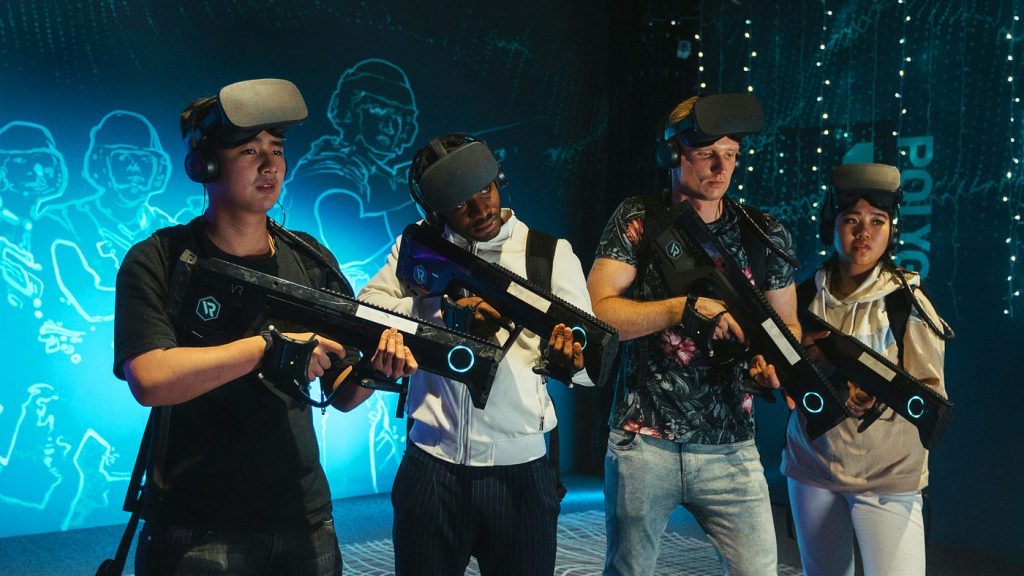
By examining specific studies that underscore the cognitive benefits of gaming, we can better navigate this evolving landscape. Researchers continue to explore how these findings can be harnessed to develop educational tools that leverage the engaging nature of video games for cognitive enhancement in adolescents.
As we explore the implications of this research, it becomes critical for parents, educators, and policymakers to re-evaluate the role of video games within the broader context of child development. Embracing gaming as a potential educational ally invites a richer discourse on usable strategies that can support holistic learning experiences for the youth of today.
DON’T MISS OUT: Click here to discover how board games enhance teamwork!
The Mechanics Behind Memory Enhancement in Video Gaming
The increasingly captivating world of video games has been under scrutiny for its potential impact on the cognitive abilities of young players, particularly in relation to working memory. Working memory is essential for holding and manipulating information over short periods, and it plays a crucial role in navigating complex tasks that adolescents face in both academic and social settings. Understanding the underlying mechanisms that video games offer to enhance this cognitive skill can shed light on how gaming can be a valuable tool for learning.
Research in psychology and cognitive neuroscience has identified several key features of video games that contribute to improvements in working memory:
- Fast-Paced Decision Making: Many video games force players to make quick decisions, which enhances their ability to process and respond to new information swiftly. For instance, a game like “Call of Duty” can improve one’s capacity to remember multiple objectives while coordinating with teammates, thereby sharpening their working memory through necessity.
- Spatial Navigation: Video games that incorporate expansive worlds or intricate mazes, such as “Minecraft,” require players to remember the locations of items and navigate through various terrains. This spatial memory is a component of working memory, and regularly engaging in such activities can strengthen one’s ability to recall information effectively.
- Adaptive Challenges: Many games are designed to adjust in difficulty based on player performance. This adaptation ensures that players constantly face challenges that are relatable yet demanding, enabling them to build strategies and increase their memory load as they advance. The game “Portal 2” is a prime example, as it requires players to manipulate objects using complex physics while keeping track of multiple tasks.
Moreover, several studies have shown that the cognitive demands placed on players can lead to measurable improvements in working memory capacity. For instance, a study published in the journal “Neuroscience & Biobehavioral Reviews” found that participants who regularly played action video games exhibited superior working memory performance compared to non-gamers. These findings highlight the potential for video games to serve as mental exercises that can enhance cognitive flexibility and retention skills.
It is also important to note that the genre of the game plays a significant role in determining its impact on cognitive functions. Puzzle games, role-playing games (RPGs), and real-time strategy games often challenge the player’s ability to manage varying tasks, which can lead to improvements in working memory. Conversely, games focused on passive entertainment may not provide the same cognitive stimulation. This distinction underscores the need for selective engagement with specific game types to leverage the cognitive benefits effectively.
As awareness around the role of video games in shaping cognitive skills continues to grow, it becomes increasingly important for researchers to explore and delineate how different gaming experiences can translate to educational and developmental contexts. Parents and educators are encouraged to foster an environment where gaming is recognized not only for its entertainment value but also for its potential as a tool for cognitive development.
The Influence of Video Games on the Improvement of Working Memory in Adolescents
Video games have rapidly evolved from simple pastimes to complex interactive experiences that can significantly impact cognitive functioning, particularly in adolescents. One of the most fascinating areas of research is the relationship between video games and working memory. Studies indicate that specific genres of games, especially action and strategy games, can enhance players’ working memory capacity. This enhancement is primarily due to the requirement for quick decision-making, multitasking, and constant adaptation to changing environments during gameplay.
Notably, video games demand players to hold information temporarily while processing new input—a key component of working memory. For instance, navigating through intricate game scenarios requires players to remember previous actions while strategizing their next moves. This process mirrors the cognitive demands faced by adolescents in academic settings, where multitasking and critical thinking are crucial.
Furthermore, action games such as first-person shooters and platformers have been shown to improve visual working memory. Research highlights that these types of games can lead to significant improvements in spatial awareness and cognitive flexibility, essential abilities in both learning and everyday life. When adolescents engage in these gaming experiences, they often develop a heightened ability to adapt their thinking processes to achieve their objectives.
| Advantage | Impact on Working Memory |
|---|---|
| Enhanced Cognitive Flexibility | Allows adolescents to adapt to new situations and solve problems more effectively. |
| Improved Multitasking Skills | Facilitates the ability to manage multiple tasks simultaneously, reflecting in academic performance. |
This growing body of evidence invites further investigation into how different gaming experiences shape the cognitive development of adolescents. The potential for video games to act as cognitive training tools is an exciting frontier that intersects technology, education, and psychology. As we explore these intriguing findings, one must consider how best to integrate these insights into learning environments while addressing concerns about screen time and gaming addiction.
DISCOVER MORE: Click here to delve into the psychology of logic games
Mechanisms of Learning and Memory Transfer
Beyond the intrinsic features of video games that enhance working memory, the mechanisms of learning and memory transfer offer additional insights into how gaming can fortify cognitive capabilities in adolescents. The idea that skills learned in one context can transfer to another is especially relevant in the realm of gaming. Research has shown that the cognitive challenges presented by video games can promote not only memory enhancement but also improvements in other related cognitive functions.
One notable phenomenon is known as “near transfer,” where skills acquired in a specific task enhance performance in similar tasks. For instance, an adolescent who excels at solving intricate puzzles in a game like “The Legend of Zelda” may find that their problem-solving abilities and working memory are heightened when faced with similar challenges in a classroom setting. This can be particularly beneficial for subjects like mathematics and science, which often require the integration and manipulation of multiple pieces of information.
In contrast, “far transfer” refers to the application of skills learned in one context to entirely different situations. Studies have indicated that action video games, for example, improve not just working memory but also other domains such as visual attention, task-switching abilities, and even social cognition. A 2014 study published in “Psychological Science” reported that adolescents who regularly played action video games exhibited enhanced visual processing capabilities and improved multitasking skills, essential for achieving success in today’s fast-paced academic environments.
Furthermore, the interactive nature of video games fosters a sense of immersion that engages players on a cognitive level. This engagement encourages sustained attention, which is critical for memory consolidation. During gameplay, adolescents are often required to pay attention to multifaceted events and stimuli simultaneously. This heightened state of awareness not only strengthens working memory during play but may also extend its benefits to real-world scenarios, as adolescents learn to filter distractions and focus on relevant information.
The Role of Collaborative Gaming
The emergence of online multiplayer games has redefined social interaction in gaming, representing another avenue through which adolescents can boost their working memory. Collaborative games require players to engage in constant communication, sharing information, and strategizing in real-time. Titles like “Fortnite” or “Overwatch” compel players to maintain awareness of both their objectives and those of their teammates, effectively creating a cognitive ecosystem that benefits working memory. A study published in “Frontiers in Psychology” highlighted that players who engaged in cooperative gameplay demonstrated better working memory and higher academic performance than their peers who gamed solo.
Importantly, these collaborative elements also encourage the development of social skills alongside cognitive skills, creating a multifaceted learning environment. As adolescents navigate group dynamics, they enhance their cognitive flexibility—a key component of working memory. Learning to adapt and respond to different perspectives and strategies within a team game can offer significant cognitive benefits that extend well beyond the virtual realm.
Equally worth noting is the impact of game narratives and ethical decision-making depicted in many role-playing and strategy games. Engaging with complex storylines not only captivates players but requires them to remember character arcs, plot details, and decision paths. For example, games like “Life is Strange” involve making choices that can affect story outcomes and outcomes that require prior memory of events and characters. This engagement with narrative provides another layer of cognitive challenge that can lead to enhanced memory skills.
The evidence suggests that video games possess a unique capacity for fostering cognitive development, presenting adolescents with engaging and complex challenges that can improve working memory. The interplay between fast-paced gaming environments, problem-solving scenarios, and social collaboration creates an inviting landscape for memory enhancement, inviting exploration into how these immersive experiences can be further harnessed in educational contexts.
DISCOVER MORE: Click here for insights on collaborative puzzle-solving
Conclusion: Unlocking Potential through Gaming
As the landscape of education continues to evolve, it becomes increasingly clear that video games can serve as valuable tools for cognitive development, specifically in enhancing working memory among adolescents. The comprehensive interplay of mechanisms such as near and far transfer of skills demonstrates the versatility of gaming as a medium for learning. By engaging with a variety of challenging scenarios, adolescents are not only improving their memory retention but also honing crucial cognitive abilities like problem-solving, multitasking, and visual attention.
Furthermore, the rise of collaborative gaming enriches the cognitive experience by fostering communication and teamwork. As adolescents navigate virtual environments, they cultivate essential social skills that complement their cognitive growth. The interactive narratives found in many games, requiring players to remember and make consequential choices, also enhance memory capabilities in innovative ways.
Given the compelling evidence highlighting the positive impacts of gaming on cognitive development, it is essential for educators and parents to reconsider the role of video games in the lives of adolescents. Rather than viewing video games solely as distractions, they should be seen as opportunities to unlock cognitive potential and engage students in new learning frameworks. Future research and educational strategies may benefit from integrating gaming elements into curricula, thereby harnessing the immersive power of games to promote enhanced working memory and cognitive skills.
In conclusion, the influence of video games on working memory improvement presents a fascinating realm of possibilities. By embracing this medium, we can better prepare adolescents not only for academic success but also for the multifaceted challenges they will face in an increasingly complex world.
Related posts:
How Programming Challenges in Digital Games Can Enhance Logical Reasoning
The Effect of Real-Time Strategy Games on Decision Making Under Pressure
The Influence of Augmented Reality Games on Teenagers' Mental Agility
The Role of Spatial Structuring Games in the Development of Creativity in Young People
Exploring the Cognitive Benefits of Logic Puzzles
How Memory Games Can Improve Cognitive Function in Seniors

Linda Carter is a writer and puzzle expert specializing in mind games, brain teasers, and cognitive challenges. With extensive experience helping individuals enhance their problem-solving skills and think critically, Linda shares her knowledge on our platform. Her goal is to empower readers with practical advice, engaging puzzles, and strategies to sharpen their minds and achieve success in the captivating world of mind games and puzzles.