Interactive Puzzles: The Role of Digital Technologies in Enhancing Problem-Solving Skills

Unlocking Opportunities with Interactive Puzzles
In a rapidly advancing technological landscape, interactive puzzles are at the forefront of a cognitive revolution, reshaping the way we acquire and refine crucial problem-solving skills. Once regarded merely as a fun pastime, these digital enigmas have evolved into sophisticated tools designed to actively engage the mind, providing benefits that extend far beyond simple enjoyment.
Consider the multifaceted advantages that come with engaging in interactive puzzles:
- Stimulating cognitive development through varied challenges—these puzzles engage multiple areas of the brain, improving memory, pattern recognition, and decision-making capabilities. For instance, a study from the National Institutes of Health indicated that regular engagement with brain-training games can bolster cognitive function and even stave off cognitive decline in older adults.
- Enhancing critical thinking with strategic gameplay. Interactive puzzles often require players to analyze information, weigh options, and develop strategies to advance, much like they would in real-world problem-solving situations. Games like “Portal” and “The Witness” challenge players to navigate complex levels utilizing logic and physics, making each solved puzzle a step toward greater intellectual prowess.
- Promoting collaboration in multiplayer formats, fostering teamwork. Many modern interactive puzzles come with cooperative modes that encourage friends and family to solve challenges together. This interactive dimension not only enhances social bonds but also teaches participants how to efficiently delegate tasks and communicate under pressure, a critical skill in both personal and professional environments.
The integration of digital technologies into puzzles offers an experience that surpasses the tactile satisfaction of traditional puzzles. Consider the role of augmented reality (AR) and virtual reality (VR) in transforming problem-solving into a fully immersive experience. Various VR platforms such as “Keep Talking and Nobody Explodes” require players to communicate effectively about complex information in a time-sensitive environment, turning puzzle-solving into an exhilarating adventure.
Furthermore, as we explore this enthralling world, it becomes evident that engaging with interactive puzzles is linked to improved mental agility. According to a report from the Journal of Play, children who consistently engage with interactive puzzles show marked improvements in their attention spans and problem-solving abilities compared to their peers. This compelling evidence underscores the pivotal role that these digital tools can play in educational frameworks.
As we delve deeper into specific platforms and games that embody these advantages, like “Brain Age” or “Lumosity,” it becomes clear that mastering these puzzles is not merely about leisure. It’s a journey towards enhanced analytical capabilities and overall cognitive resilience. Unlocking the potential of interactive puzzles means embarking on a path that can enrich one’s life across multiple dimensions—intellectually, socially, and even emotionally.
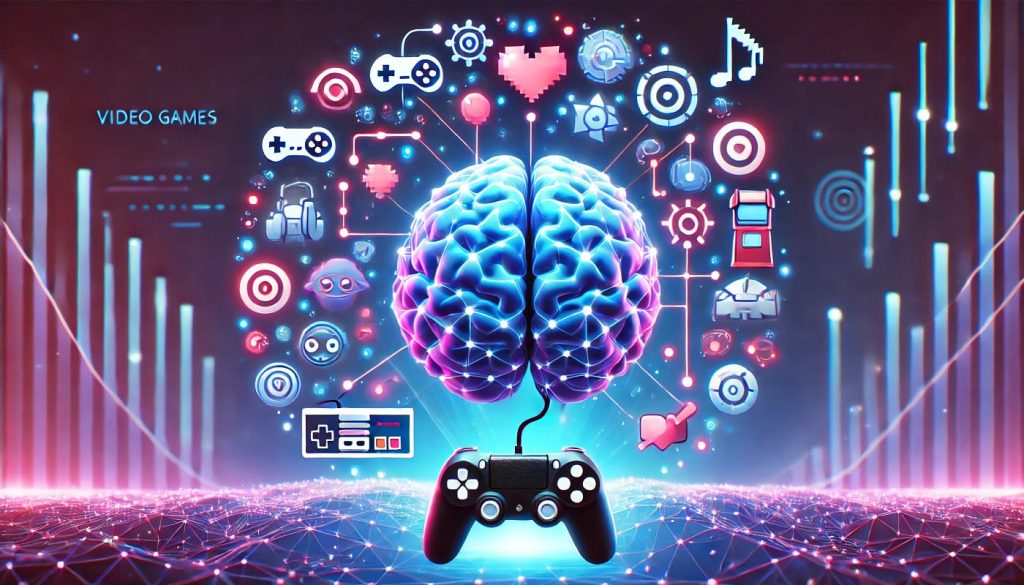
DISCOVER MORE: Click here to learn how brain teasers can boost your child’s memory
Transformative Benefits of Interactive Puzzles
As the sphere of digital technologies continues to evolve, interactive puzzles stand out as powerful tools that not only engage users but also serve as a catalyst for developing essential problem-solving skills. These puzzles harness the capabilities of technology to create dynamic environments that challenge the mind in ways that traditional puzzles could not achieve.
One of the primary benefits of engaging with interactive puzzles is their ability to enhance cognitive flexibility. Cognitive flexibility refers to the brain’s capacity to adapt its thinking to new and unexpected conditions. Interactive puzzles, often characterized by their unique scenarios and shifting requirements, push players to think outside the box. For example, a game like “Zelda: Breath of the Wild” incorporates puzzles that require players to anticipate various outcomes and adjust their strategies in real-time, fostering not only creativity but also innovative thinking.
- Building resilience through trial and error. Interactive puzzles often encourage players to experiment with different approaches before arriving at a solution. This iterative process mimics real-life problem-solving dynamics, teaching individuals that failure is merely a stepping stone toward eventual success.
- Improving emotional regulation by maintaining focus under pressure is another significant benefit. Many interactive puzzles incorporate time limits or fast-paced challenges that require players to manage their emotions effectively, reinforcing their ability to remain calm and collected in stressful situations.
- Encouraging goal setting as players identify objectives within each challenge. This process not only sharpens their focus but also provides a framework for achieving larger goals in both personal and professional contexts.
The undeniable impact of interactive puzzles in shaping problem-solving skills is further underscored by research in educational psychology. According to findings published in the *Journal of Educational Psychology*, students who engage with interactive game-based learning scenarios exhibit enhanced critical thinking abilities and improved academic performance compared to their non-participating peers. This data underscores the integration of interactive puzzles in classrooms, where educators can utilize these digital resources to foster a more engaging and effective learning atmosphere.
Moreover, the rise of artificial intelligence (AI) has opened new avenues for creating adaptive puzzle-solving experiences. Programs like “Google’s Quick, Draw!” utilize machine learning to refine puzzles based on user interactions, presenting increasingly challenging tasks tailored to individual skill levels. As players engage with such AI-enhanced puzzles, they not only sharpen their existing problem-solving techniques but are also encouraged to embrace newer, more sophisticated strategies.
As we continue to explore the vast realm of interactive puzzles, it becomes crucial to recognize the intersection of technology and cognitive growth. The ability to navigate complex challenges in these digital landscapes reflects a microcosm of the broader problem-solving scenarios faced in everyday life, reaffirming that the engagement with interactive puzzles is more than just a pastime—it’s an essential tool for enhancing one’s problem-solving repertoire.
| Category | Advantages |
|---|---|
| Engagement | Interactive puzzles captivate users through immersive experiences that enhance learning. |
| Skill Development | Digital technologies facilitate critical thinking and problem-solving abilities in users of all ages. |
| Accessibility | Online platforms allow easy access to a wide variety of puzzles, encouraging consistent practice. |
| Instant Feedback | Real-time validation reinforces learning processes and motivates users to improve their strategies. |
Interactive puzzles serve as a unique gateway through which digital technologies can deeply influence and improve problem-solving skills. By incorporating engaging gameplay mechanics, they not only pique interest but also cultivate a sense of achievement as users navigate complex challenges. The effectiveness of these digital platforms lies in their ability to transform routine learning into an interactive experience that feels both entertaining and educational. Furthermore, these innovative tools are designed to be accessible from various devices, ensuring that users can engage with them anytime and anywhere. This continuous availability fosters a habit of problem-solving, where users can hone their skills through repetitive practice. The integration of instant feedback mechanisms allows players to see their progress, identify areas of improvement, and refine their techniques, which is essential for developing critical thinking abilities.The emphasis on enhancing problem-solving skills makes interactive puzzles not only valuable for students but also appealing for professionals looking to foster creativity and efficiency in their work. This versatility across different demographics underscores the unfolding potential of digital technologies in shaping adept problem-solvers of the future.
DISCOVER MORE: Click here to enhance your understanding
Engagement and Collaboration in Problem-Solving
Another significant aspect of interactive puzzles is their ability to promote collaboration and social interaction, which are vital components of effective problem-solving. In an increasingly connected world, many digital puzzle games encourage players to work together to overcome challenges, fostering teamwork and enhancing communication skills. Examples of this can be seen in multiplayer online escape room games, where players must communicate efficiently to piece together clues and solve mysteries. This collaborative approach not only enhances problem-solving skills but also prepares individuals for team-oriented environments found in educational and professional settings.
Additionally, interactive puzzles often feature integrated forums and social networks that allow players to share strategies, hints, and solutions. By participating in these communities, individuals not only gain diverse perspectives on problem-solving techniques but also learn the value of peer feedback. Research from the University of California, Irvine, shows that students who share problem-solving experiences in collaborative environments develop a broader understanding of concepts and improve their overall learning experience. This social dimension of interactive puzzles can significantly augment a player’s cognitive toolkit, providing insights that may not be gained from solitary gameplay.
Gamification plays a pivotal role in the effectiveness of interactive puzzles as well. By incorporating elements such as rewards, achievements, and progress tracking, these puzzles create a sense of motivation and engagement. Users are encouraged to tackle more difficult challenges, enhancing their skills progressively. According to a report by the *Entertainment Software Association*, more than 70% of teachers believe that games and interactive content engage students more effectively than traditional methods. This type of immersive learning is particularly effective in maintaining interest and promoting sustained problem-solving practice.
Furthermore, the use of augmented reality (AR) and virtual reality (VR) in interactive puzzles introduces a whole new dimension to problem solving. These technologies create an immersive experience that transforms users into active participants within the puzzle environment, blurring the lines between the digital and physical realms. For instance, games like “Beat Saber” not only require rhythm and coordination but also demand strategic thinking as players navigate increasingly complex levels. This immersion can stimulate critical thinking and adaptability, essential components of proficient problem-solving.
The data from *Statista* indicates that by 2025, the global market for AR and VR technologies is expected to reach over $200 billion, reflecting the growing interest in utilizing such technologies for educational and entertainment purposes. As this market expands, so does the opportunity for new interactive puzzles to emerge, offering players innovative experiences that facilitate skill development in engaging and memorable ways.
With advances in technology, developers are continuously innovating, creating more inclusive and accessible puzzles tailored for diverse learning styles. This adaptability ensures that individuals of varying ages, backgrounds, and cognitive capabilities can benefit from problem-solving through interactive puzzles. As a result, users can explore solutions at their own pace, cultivating a deeper understanding of problem-solving dynamics while enjoying the process.
DIVE DEEPER: Click here to uncover more insights
Conclusion: The Future of Interactive Puzzles in Skill Development
As we delve deeper into the era of digital transformation, the influence of interactive puzzles on enhancing problem-solving skills continues to gain momentum. The integration of advanced technologies such as augmented reality (AR) and virtual reality (VR) is revolutionizing the way individuals engage with challenges, providing immersive experiences that stretch cognitive abilities. With the global market for AR and VR projected to exceed $200 billion by 2025, we are witnessing a surge in opportunities for innovative learning tools that facilitate skill development.
Moreover, the social dynamics fostered by interactive puzzles serve to cultivate collaboration and communication, essential tools in today’s interconnected workforce. By encouraging sharing of strategies and collaborative problem-solving, these platforms not only improve individual skills but also instill a sense of community, vital for collective achievement in any setting. Research indicates that environments where peers engage in problem-solving enhance overall learning; thus, the community aspect of digital puzzles cannot be overstated.
As we look to the future, it is crucial for educators, developers, and individuals to embrace the potential of interactive puzzles as a means of fostering critical thinking, creativity, and adaptability. Whether through gamification or through accessible design, the pathway toward improved problem-solving skills is rich with possibilities. Engaging in these digital platforms presents not only a fun pastime but also an insightful journey towards mastering the complex dynamics of modern challenges. Hence, as we navigate this digital landscape, let us embrace interactive puzzles as a vital catalyst for growth, both personally and professionally.
Related posts:
The Impact of Board Games on Group Problem Solving: Collaboration and Creativity in Action
Developing Problem-Solving Skills Through Puzzles: Effective Methods and Strategies
How Narrative in Puzzles Can Influence Problem-Solving Approaches
The Role of Visual Puzzles in Learning Techniques for Solving Complex Problems
Escape Games: How They Stimulate Problem Solving in High-Pressure Environments
Developing Resilience Through Mental Challenges: The Importance of Logic Games

Linda Carter is a writer and puzzle expert specializing in mind games, brain teasers, and cognitive challenges. With extensive experience helping individuals enhance their problem-solving skills and think critically, Linda shares her knowledge on our platform. Her goal is to empower readers with practical advice, engaging puzzles, and strategies to sharpen their minds and achieve success in the captivating world of mind games and puzzles.