Exploring the Benefits of Sudoku and Crossword Puzzles for Cognitive Flexibility
Unveiling Mental Gymnastics
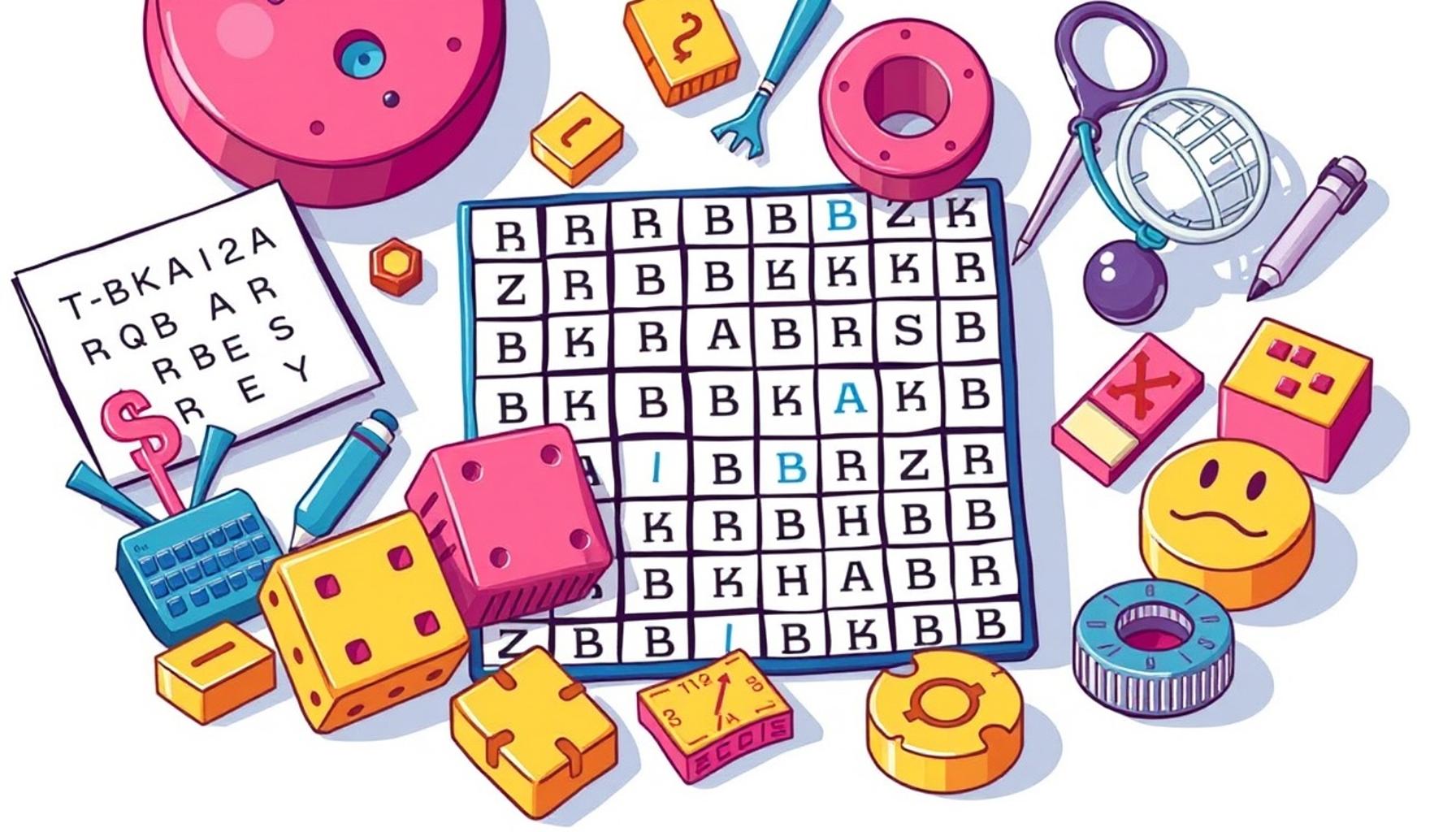
If you’re looking for a fun and engaging way to boost your brainpower, Sudoku and crossword puzzles are excellent choices. These popular activities not only provide entertainment but also promote essential cognitive skills. Research suggests that engaging in such brain games can enhance cognitive flexibility, an important aspect of mental agility. Cognitive flexibility refers to the ability to adapt our thinking to new and unexpected conditions, a skill that is incredibly valuable in today’s ever-changing world.
The Power of Practice
Regularly solving these puzzles offers numerous advantages, which can lead to long-term improvements in various cognitive functions. Some of the key benefits include:
- Improved problem-solving skills: Both Sudoku and crosswords require critical thinking and strategic planning. Whether you are deducing the placement of a number in Sudoku or figuring out the answer to a tricky definition in a crossword, these activities challenge you to think critically and make connections.
- Increased vocabulary: Crossword puzzles expose players to new words, enhancing language skills. Many avid crossword enthusiasts have reported significant boosts in their vocabulary, leading to improved communication skills and a greater appreciation for the nuances of language.
- Enhanced memory retention: Learning and recalling information in puzzles can improve overall memory. The repeated practice of recalling words or solving specific patterns helps in developing a sharper memory and can even delay age-related cognitive decline.
For many, these activities serve as a daily ritual, sharpening their minds while providing a sense of accomplishment. An engaging crossword puzzle over breakfast or a challenging Sudoku during a lunch break can make a routine feel purposeful and rewarding. But how do these puzzles specifically help with cognitive flexibility? Understanding the mechanisms at play can lead to a greater appreciation and motivation to integrate these brain boosters into everyday life.
Bridging the Gap
As we explore the benefits of Sudoku and crossword puzzles, we will delve deeper into their influence on mental processes. For example, studies have shown that regular participation in these kinds of activities may increase neural connectivity in the brain, essentially creating new pathways that enhance cognitive function. This journey not only reveals the science behind cognitive flexibility but also highlights practical ways to incorporate these puzzles into your lifestyle. Consider subscribing to a daily puzzle magazine, downloading apps advocating for brain games, or joining social media groups where you can share tips and challenges with like-minded enthusiasts.
So, whether you find yourself in a cozy café or curled up at home on a rainy afternoon, why not pick up a pencil and dive into a puzzle? Ready to challenge your intellect?
DISCOVER MORE: Click here to learn about the benefits of jigsaw puzzles
Cognitive Benefits of Engaging with Puzzles
Engaging in Sudoku and crossword puzzles is more than just a leisurely pastime; it serves as a catalyst for enhancing cognitive functions that contribute to mental agility. By regularly immersing yourself in these puzzles, you are not only entertaining your mind but also training it to respond to challenges with increased adaptability and resourcefulness. Research supports the premise that such mental exercises can lead to significant improvements in cognitive flexibility—an essential skill for navigating complex problem-solving scenarios in everyday life.
How Puzzles Promote Cognitive Flexibility
Engaging in these brain teasers can forge stronger mental pathways, which are crucial for cognitive flexibility. Here are some specific ways that Sudoku and crossword puzzles nurture adaptive thinking:
- Strategic Thinking: Both puzzles require foresight and planning. In Sudoku, one must anticipate how choices affect future possibilities, while in crossword puzzles, understanding the cluing structure is vital to moving forward. This type of strategic reasoning sharpens the brain’s ability to pivot between different thought processes and adapt to new information.
- Pattern Recognition: Solving Sudoku involves identifying numerical patterns, which not only enhances numerical literacy but also strengthens the brain’s capacity to recognize and react to different scenarios. Similarly, crossword puzzles foster pattern recognition in language, allowing for the quick application of context clues to decipher meanings.
- Improved Decision-Making Skills: The inherent challenge in both activities prompts immediate decision-making under uncertainty. For instance, in a Sudoku puzzle, each move must be carefully considered, urging players to weigh options and make calculated risk assessments. This logic extends beyond the puzzle itself, providing a framework for improved decision-making in real-world situations.
- Flexibility in Thought: Crossword puzzles often require solvers to think beyond the literal meanings of words. This linguistic playfulness encourages mental flexibility, encouraging solvers to think creatively and come at problems from different angles.
Building these cognitive skills through consistent practice can be particularly beneficial for individuals of all ages. For older adults, maintaining cognitive flexibility helps stave off mental decline, while for younger individuals and students, it aids in academic endeavors by fostering improved learning strategies and knowledge retention.
As you explore the advantages of Sudoku and crossword puzzles, consider incorporating them into your daily routine. Whether it’s a quick puzzle during your commute or a challenging one shared with friends, embracing these activities can lead to an enriched mental landscape, making room for improved cognitive flexibility and overall mental health.
Unlocking Cognitive Flexibility Through Puzzles
Engaging with puzzles such as Sudoku and crosswords can significantly enhance cognitive flexibility, which is the brain’s ability to adaptively switch between thinking about different concepts. By challenging our mental faculties, these puzzles create pathways for enhanced problem-solving skills and greater adaptability in thinking. This is particularly valuable in a world that requires quick adjustments and innovative solutions.
Moreover, tackling these puzzles requires not just rote memorization but a deep understanding of language structures and numerical relationships. This understanding enhances executive functions, which are critical for tasks that include reasoning, planning, and multitasking. As individuals navigate the complexities involved in solving puzzles, they are effectively training their brains to become more versatile thinkers.
Studies have shown that regular engagement in Sudoku and crossword puzzles can lead to improved cognitive endurance. As players repeatedly practice, they begin to notice shifts in their ability to process information and manage competing tasks. This is crucial in daily life scenarios where the capacity to shift attention smoothly can result in increased efficiency and productivity.
Furthermore, puzzles also provide a level of motivation and enjoyment that encourages regular practice. The satisfying feeling of completing a challenging puzzle leads to elevated mood and prolonged engagement, making it an enticing avenue for cognitive benefits.
| Category 1 | Category 2 |
|---|---|
| Cognitive Development | Enhanced problem-solving skills and adaptability |
| Mental Agility | Improved executive function, information processing, and multitasking |
As we delve deeper into the cognitive benefits associated with these brain games, it becomes increasingly evident that they provide a low-cost method to keep our minds sharp and flexible. For individuals both young and old, incorporating Sudoku and crossword puzzles into daily routines may prove essential for maintaining mental vitality.
DISCOVER MORE: Click here to learn how memory games can help
The Role of Social Interaction and Collaboration in Cognitive Flexibility
Beyond the individual cognitive benefits, Sudoku and crossword puzzles can serve as avenues for social engagement, fostering collaboration and communication among participants. This social dimension amplifies cognitive flexibility in ways that solo puzzle-solving cannot match. As individuals gather around a puzzle, the exchange of ideas and collaborative strategizing further enhances their ability to think outside the box and adjust their approaches based on group dynamics.
Collaborative Problem-Solving
Working on puzzles in a group setting can radically transform the problem-solving experience. When individuals come together to tackle a challenging Sudoku or crossword, they share diverse perspectives which can lead to innovative solutions. For instance, one person might draw upon a different logic pattern in Sudoku, opening the door for the group to explore alternative strategies. Such interaction prompts not only cognitive flexibility but also interpersonal skills, as players must communicate their thoughts, listen to others, and negotiate differing opinions.
Encouraging a Competitive Spirit
Another engaging aspect is the competitive nature that can emerge in puzzle-solving. Whether it’s a friendly race to complete a crossword or a timed Sudoku challenge, this competitive edge can heighten interest and motivation. A study conducted by the University of Massachusetts emphasized that engaging in competitive environments encourages cognitive flexibility by pushing participants to adapt rapidly and to consider multiple strategies to secure victory. The excitement and pressure of competition can stimulate the brain’s ability to switch gears and reevaluate approaches swiftly.
Long-Term Cognitive Growth through Community Engagement
The benefits of Sudoku and crosswords extend beyond immediate cognitive gains. Participating in puzzle-solving clubs or online forums fosters a sense of community among enthusiasts. Studies indicate that long-term engagement in mentally stimulating activities can slow cognitive decline and may even reduce the risk of developing neurodegenerative diseases. Communities that gather to solve puzzles can create an environment where continuous learning is encouraged, allowing for practical application of cognitive skills in real-world scenarios. Through teamwork, individuals sharpen their cognitive flexibility while also fostering relationships that mutually support mental health.
Gamification and Technological Advancements
The advent of technology has also transformed the landscape of puzzle-solving, introducing gamified elements that make these activities even more compelling. Many digital platforms now offer Sudoku and crossword puzzles with various levels of difficulty, allowing users to gradually increase complexity as they hone their skills. Apps often incorporate features such as timed challenges and leaderboards, promoting a sense of achievement and community among users. Research from Stanford University highlights that gamified learning experiences not only enhance cognitive flexibility but also boost engagement and motivation, particularly in younger audiences who may find traditional puzzle formats less appealing.
Incorporating Sudoku and crossword puzzles into daily life offers a multi-dimensional approach to enhancing cognitive flexibility, promoting not only individual skill-building but enriching social interactions and fostering community bonds. Whether through friendly competitions, collaboration, or utilizing technology, the benefits extend far beyond mere entertainment, solidifying the role of puzzles as powerful tools for brain health and adaptability.
DIVE DEEPER: Click here to learn more
Conclusion: Unlocking Potential through Puzzles
In summary, the exploration of Sudoku and crossword puzzles reveals a multifaceted approach to enhancing cognitive flexibility that goes beyond mere brain exercise. These engaging puzzles not only nurture individual cognitive skills but also serve as platforms for social interaction, fostering a sense of community among enthusiasts. The collaborative nature of solving puzzles together ignites creativity and enables the sharing of diverse perspectives, which are essential for developing innovative solutions.
Moreover, the competitive spirit inherent in puzzle-solving can further stimulate cognitive adaptability, compelling participants to think quickly and adjust their strategies dynamically. With the support of technological advancements and gamification, these cerebral challenges have become increasingly accessible and enjoyable, attracting new generations and opening doors to lifelong learning.
Importantly, the long-term engagement in these mentally-stimulating activities correlates with potential protective benefits for cognitive health, providing a proactive approach to mitigating cognitive decline as we age. Individuals who actively participate in puzzle-solving communities are not only enhancing their cognitive flexibility but also fostering lasting relationships that contribute to overall mental well-being.
Ultimately, embracing Sudoku and crossword puzzles as part of a daily routine can lead to enhanced brain function, improved problem-solving skills, and richer social interactions. As we continue to unlock the cognitive benefits of these beloved puzzles, we uncover not just entertainment but powerful tools for lifelong learning and growth.
Related posts:
Investigating the Connection Between Video Games and Enhanced Cognitive Flexibility
The Role of Mind Games in Boosting Mental Agility Among Seniors
The Science of Mental Agility and Its Connection to Memory Games
The Effects of Collaborative Puzzle Solving on Team Mental Agility
How Virtual Reality Puzzles are Redefining Cognitive Training
The Influence of Mind Games on Mental Agility in Competitive Sports

Linda Carter is a writer and puzzle expert specializing in mind games, brain teasers, and cognitive challenges. With extensive experience helping individuals enhance their problem-solving skills and think critically, Linda shares her knowledge on our platform. Her goal is to empower readers with practical advice, engaging puzzles, and strategies to sharpen their minds and achieve success in the captivating world of mind games and puzzles.