Exploring How Memory Games Can Combat Age-Related Decline
Unlocking Cognitive Resilience
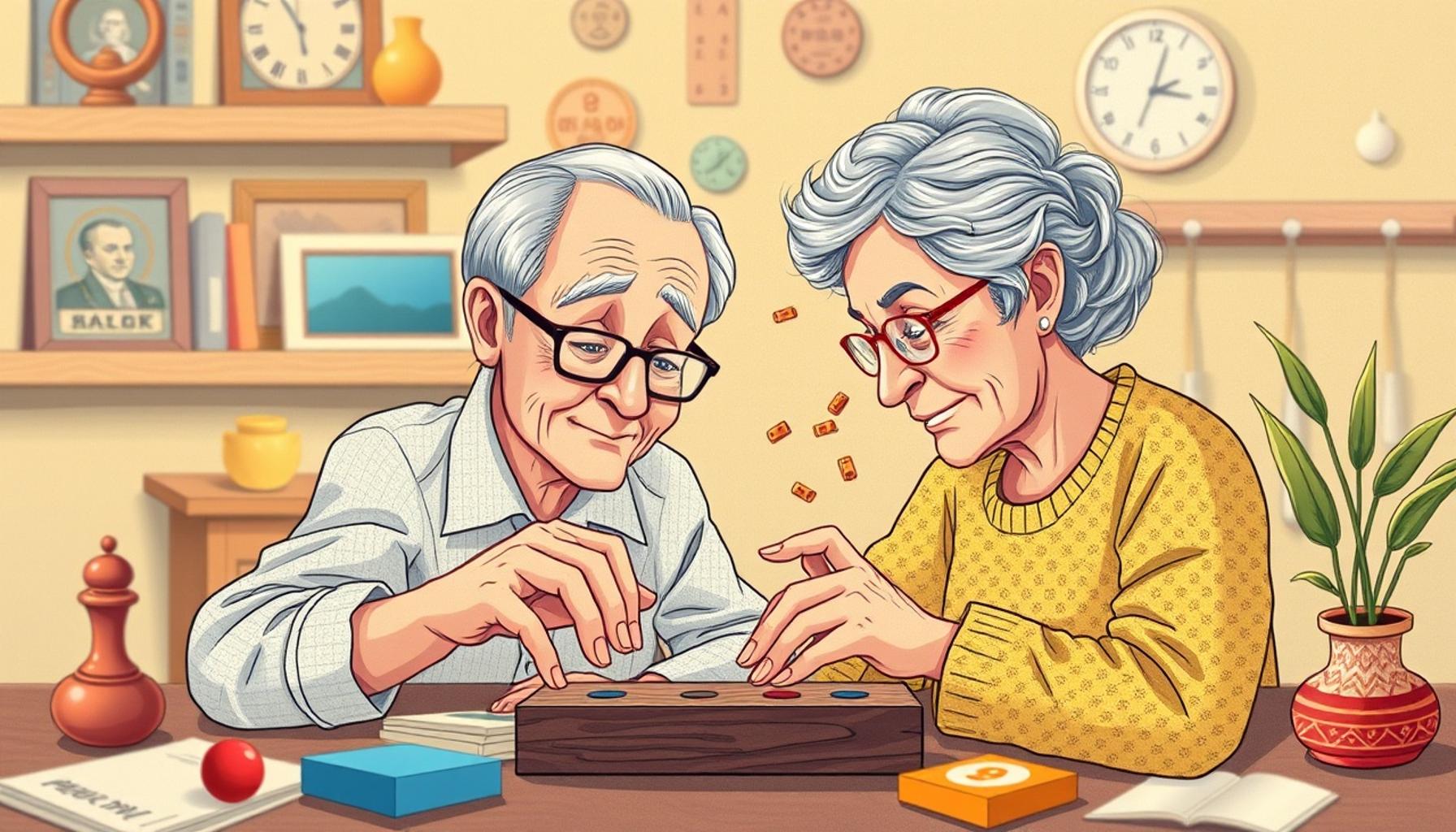
As people age, the importance of maintaining mental sharpness becomes increasingly apparent. Among the various strategies being explored, memory games have emerged as a compelling option for addressing age-related cognitive decline. These interactive activities not only provide entertainment but also serve as tools for enhancing brain function and preserving cognitive health.
The Benefits of Memory Games
- Cognitive Stimulation: Engaging in memory games stimulates various brain regions, promoting neuroplasticity—the brain’s ability to adapt and form new neural connections. Research indicates that tasks which challenge memory, such as matching pairs or recalling sequences, can enhance areas responsible for critical thinking, concentration, and retention.
- Social Interaction: Many memory games are designed for group participation, which can be particularly beneficial for older adults. Playing with friends or family members fosters social engagement, combats feelings of isolation, and strengthens existing relationships. Group games can lead to shared laughter and enjoyment, contributing positively to overall well-being.
- Accessibility: Memory games are widely available across various mediums, making them easily accessible. From engaging mobile apps, interactive online platforms, to traditional physical board games, there is a format suitable for everyone. This diversity allows seniors to choose the types that fit their preferences and lifestyle.
Research highlights that consistent engagement with memory games can bolster skills such as attention, recall, and problem-solving abilities. For instance, a study published in a leading gerontology journal suggested that older adults who regularly participated in brain-training games experienced less cognitive decline over a five-year period compared to those who did not. This suggests that memory games may play a significant role in sustaining mental agility as one ages.
Engagement and Enjoyment
Designed to strike a balance between fun and challenge, memory games stand out in their ability to encourage prolonged participation. Maintaining interest is essential for achieving long-term benefits, and these games offer the engaging experience needed to keep players returning for more. By integrating memory games into their daily routines, seniors can cultivate a vibrant and enjoyable approach to preserving and enhancing their cognitive health.
Consider the wide array of options available; from digital platforms like Lumosity and Elevate to engaging board games like Boggle or Scrabble, there are countless avenues for exploration. Furthermore, community centers and local libraries often host game nights, providing additional opportunities for seniors to connect with others while keeping their minds sharp. In essence, memory games not only serve a functional purpose but also enrich life experiences, making them invaluable tools in the pursuit of cognitive resilience.
The Science Behind Memory Games
Memory games are not just entertaining distractions; they are grounded in cognitive science that reveals their potential to combat age-related decline. As individuals progress into their golden years, maintaining cognitive health is paramount, and memory games are emerging as effective tools in this endeavor. The underlying mechanisms involve stimulating brain activity and enhancing specific mental functions.

How Memory Games Enhance Cognitive Function
At the heart of memory games lies neuroplasticity, the brain’s remarkable ability to reorganize itself by forming new neural connections. Engaging in memory activities can bolster neuroplasticity, which is crucial as we age. Here are key cognitive functions positively impacted by regular participation in memory games:
- Memory Retention: Consistent gameplay is shown to improve both short-term and long-term memory. Tasks such as remembering sequences or matching pairs can lead to better recall abilities.
- Attention Span: Many memory games require intense focus, helping players develop strategies to enhance attention and concentration. Sustained attention is vital for daily tasks and social interactions.
- Problem-Solving Skills: Engaging with puzzles and challenges fosters critical thinking. Players learn to approach problems from various angles, improving their overall cognitive flexibility.
Recent studies lend credence to the idea that memory games can significantly slow cognitive decline. Research conducted by the University of California, San Francisco, found that older adults who actively participated in cognitive training games showed a 30% decrease in their likelihood of developing dementia. Such findings underscore the importance of integrating memory games into daily routines.
Creating Strategies for Engagement
Understanding the mechanics behind memory games is one thing; however, the real challenge lies in creating an engaging environment that encourages seniors to participate regularly. Here are practical strategies for incorporating memory games into a daily routine:
- Scheduled Game Sessions: Setting aside specific times during the week for playing memory games can help instill a routine. Regularity is key in reaping the cognitive benefits associated with these activities.
- Mixing Game Types: Utilizing a variety of games, from digital apps to traditional card games, can keep the experience fresh and exciting. Rotating through different formats can appeal to varied interests.
- Creating Social Opportunities: Organizing group sessions with friends or family members can add a competitive edge and enhance social interaction. This element of connection is vital for emotional well-being.
The integration of memory games into daily life not only works to enhance cognitive function but also fosters a sense of community and purpose. As such, they present a dual benefit—improving brain health while enriching emotional and social ties.
Exploring How Memory Games Can Combat Age-Related Decline
As we age, maintaining cognitive function becomes increasingly vital. Engaging in memory games not only provides a fun and stimulating experience but also serves as a proactive approach to combat age-related decline. These games challenge the brain and enhance mental agility, ultimately fostering a healthier mind. Recent studies suggest that consistent participation in memory games can lead to improved cognitive flexibility. This mental workout helps to strengthen the neural pathways associated with memory and recall. For example, puzzle-solving and matching games encourage participants to make quick decisions, thus sharpening their decision-making abilities over time. Notably, seniors who partake in these activities have reported increased confidence in their cognitive abilities, which can significantly enhance their overall quality of life.Furthermore, memory games can also promote social engagement among older adults. Participating in cooperative memory challenges can forge connections and reduce feelings of isolation. This social interaction is essential, as loneliness has been shown to negatively impact cognitive health. Moreover, many memory games are now available in accessible digital formats, making it even easier for seniors to incorporate them into their daily routine. Additionally, the flexibility of these games allows for personalization, where participants can tailor levels of difficulty that match their own capabilities. This adaptability enables a progressive challenge, preventing boredom and encouraging continual participation. As such, memory games not only entertain but also play a crucial role in maintaining mental fitness and resilience against age-related decline.
| Category | Description |
|---|---|
| Cognitive Skill Enhancement | Memory games improve memory recall and cognitive flexibility. |
| Social Interaction | Engaging in memory games encourages connection and teamwork. |
| Accessibility | Digital platforms provide easy access to cognitive games. |
Incorporating memory games into the daily routines of seniors can offer numerous benefits, supporting mental acuity while simultaneously fostering community connections. It’s essential for individuals and caregivers to explore various options available, discovering which types of games appeal most to participants, thus maximizing engagement and enjoyment. This commitment to cognitive health can make a remarkable difference in one’s golden years.
Memory Games: A Practical Tool for Seniors
The potential benefits of memory games extend beyond simple enjoyment; they play a pivotal role in enhancing the mental acuity of older adults. The versatility of memory games makes them accessible to a wide range of abilities, providing tailored experiences for everyone from seasoned players to those just beginning to explore cognitive activities.
Diverse Types of Memory Games
Exploring the variety of memory games available can help seniors find the options that resonate best with them. Here are some notable categories:
- Digital Apps: With the rise of technology, numerous mobile applications have been designed specifically for memory training. Apps like Lumosity and Peak offer targeted exercises that adapt to the user’s skill level, ensuring a personalized experience.
- Card Games: Traditional card games, such as Concentration and Memory, promote social engagement while challenging cognitive functions. These time-honored games provide a nostalgic element that may appeal to seniors.
- Puzzles and Board Games: Engaging with jigsaw puzzles or strategy-based board games like Scrabble not only enhances memory but also encourages interaction with friends and family, making cognitive training enjoyable.
Each of these formats can be adapted to suit individual preferences and capabilities, making memory games a dynamic tool in combating age-related decline.
Empirical Evidence Supporting Memory Games
The scientific community is increasingly validating the positive effects of memory games on cognitive health. A comprehensive study published in the Journal of the American Geriatrics Society highlighted that older adults who participated in regular memory exercises experienced a 25% increase in their cognitive scores compared to their non-engaged peers. This data underscores the tangible improvements that can arise from consistent practice.
Moreover, researchers at Harvard University discovered that engaging in memory games reduces the risk of Alzheimer’s disease, identifying a potential 33% decrease in risk among participants who dedicated time to these cognitive exercises. Such findings reveal the critical role that memory games can play in preventative health measures for aging adults.
Adapting Memory Games for Optimal Engagement
To maximize the benefits derived from memory games, it is essential to adapt them to meet the unique needs of older individuals. Consider the following strategies:
- Adjusting Difficulty Levels: Ensuring that games are neither too challenging nor too easy can maintain player interest and promote confidence. Options to alter difficulty can encourage continual improvement and sustained engagement.
- Encouraging Cooperative Play: Collaborating with others in memory games fosters teamwork and collaborative problem-solving. Group settings can bolster motivation and reduce feelings of isolation, which is critical for emotional health.
- Incorporating Educational Elements: Choosing games that also provide educational content—such as trivia-based memory games—can enhance learning opportunities alongside cognitive stimulation, creating a more enriching experience.
By embracing a multifaceted approach to memory games, seniors can explore the cognitive benefits while also enjoying moments of social connection and fun. Memory games stand as a beacon of hope in the fight against age-related decline, offering not just mental exercise but pathways to deeper interpersonal engagement and a fulfilling lifestyle.
Conclusion: The Transformative Power of Memory Games
In the quest to address age-related cognitive decline, the importance of memory games cannot be overstated. These engaging activities not only serve as a source of entertainment but also emerge as a crucial strategy for enhancing cognitive function among seniors. The evidence supporting their efficacy is compelling; studies have demonstrated significant improvements in memory and cognitive skills, reinforcing the idea that consistency in mental exercises can yield substantial benefits.
From digital applications designed for personalized challenges to traditional card and board games that foster social interaction, memory games offer a multifaceted approach to maintaining and enhancing cognitive health. As we navigate an aging population, the role of these games becomes increasingly significant—not merely as a leisurely pastime, but as a proactive measure against the risk of Alzheimer’s disease and other cognitive impairments.
Moreover, by adapting memory games to meet individual needs and preferences, we can ensure they remain engaging and beneficial, encouraging older adults to participate actively. Strategies such as varying difficulty levels, promoting cooperative play, and incorporating educational elements can create enriching experiences that enhance mental, emotional, and social well-being.
As we embrace the opportunities presented by memory games, it is essential to recognize their potential as more than a simple diversion. They stand as a transformative tool in our ongoing efforts to combat age-related decline, ultimately contributing to a healthier, more fulfilling life for seniors. In light of the growing body of evidence, seniors and caregivers alike should consider incorporating memory games into daily routines as a vital element of cognitive health and overall quality of life.
Related posts:
The Benefits of Memory Palace Techniques in Everyday Puzzle Solving
How Visual Puzzles Enhance Spatial Memory and Recall
The Effect of Memory Cards on Long-Term Recall Abilities
The Role of Crossword Puzzles in Enhancing Short-Term Memory
The Role of Mnemonic Devices in Improving Puzzle Solving Efficiency
The Impact of Sudoku on Memory Retention and Cognitive Skills

Linda Carter is a writer and puzzle expert specializing in mind games, brain teasers, and cognitive challenges. With extensive experience helping individuals enhance their problem-solving skills and think critically, Linda shares her knowledge on our platform. Her goal is to empower readers with practical advice, engaging puzzles, and strategies to sharpen their minds and achieve success in the captivating world of mind games and puzzles.