Developing Problem-Solving Skills Through Puzzles: Effective Methods and Strategies

The Multifaceted Benefits of Puzzles
Puzzles are often viewed simply as a form of entertainment; however, their true potential as tools for enhancing problem-solving skills cannot be overlooked. Engaging with a diverse range of puzzles can significantly enhance cognitive functions, leading to improved critical thinking abilities essential for personal growth and professional success. With an ever-increasing reliance on analytical reasoning in both careers and daily life, the relevance of puzzles becomes clearer.
Consider the myriad benefits of incorporating puzzles into your daily routine:
- Enhances Analytical Thinking: Puzzles invite players to weigh options and draw conclusions based on minimal information. For instance, solving a Sudoku requires understanding how numbers relate within a grid, fostering an ability to see patterns and logical sequences. This analytical approach transcends just games and can translate to real-life scenarios like making data-driven decisions in the workplace.
- Improves Memory: Engagement in puzzles often necessitates remembering past moves or recognizing patterns. For example, in jigsaw puzzles, keeping track of where certain pieces fit becomes essential. This practice can elevate overall memory retention, which is invaluable for tasks such as studying for exams or recalling important meetings and deadlines.
- Encourages Persistence: The process of working through challenging puzzles cultivates resilience. Individuals learn that the path to solving complex problems is often fraught with obstacles. For instance, completing a challenging crossword or deciphering a tricky riddle forces players to stick with the problem rather than give up, a skill that is crucial in both personal endeavors and professional projects.
In the hustle and bustle of modern life, the ability to efficiently tackle problems is increasingly essential. Whether navigating complex workplace dynamics or resolving everyday dilemmas, sharpening these skills can yield positive outcomes. Businesses often seek employees who can demonstrate strong problem-solving capabilities, highlighting the benefits of hiring individuals who embrace puzzle-solving as a hobby.
As we explore various methods and strategies for puzzle engagement, it’s worth noting that there are multiple types of puzzles, including crosswords, riddles, Sudoku, and logic puzzles, each offering unique cognitive challenges. These activities not only entertain but also serve as effective training grounds for the mind. Are you ready to engage your brain, sharpen your mind, and embark on a journey of discovery through puzzles?
DISCOVER MORE: Click here to learn about strategic thinking
Types of Puzzles and Their Unique Challenges
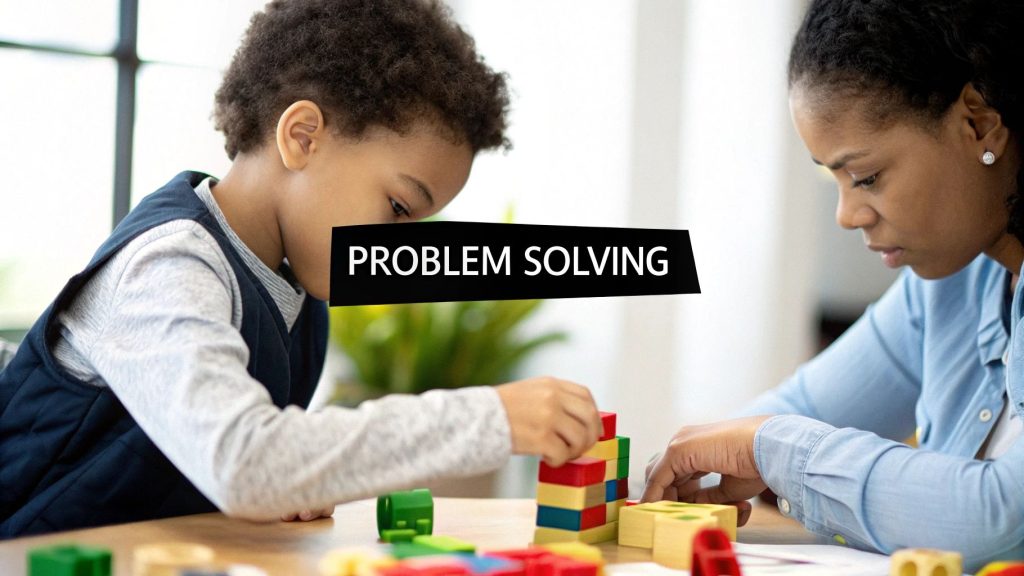
Embracing a variety of puzzles can significantly enhance your problem-solving skills, and understanding the distinct advantages each type offers is crucial for maximizing their effectiveness. Different puzzles cater to different cognitive skills, creating a diverse training regimen for your mind. Below are some prominent puzzle types and insights on how they can help you develop problem-solving capabilities:
- Crossword Puzzles: These word-based challenges enhance verbal skills and require players to think critically about word associations and definitions. Tackling a crossword puzzles aids in expanding vocabulary and recall abilities, fostering the capacity to articulate better in both personal and professional conversations.
- Sudoku: This number-based puzzle sharpens logic and reasoning. By requiring players to fill grids without repeating numbers in rows, columns, or squares, Sudoku cultivates a methodical approach to problem-solving. This practice aligns closely with skills applicable in data analysis, budgeting, and any task requiring a systematic evaluation of options.
- Logic Puzzles: Engaging with riddles or brain teasers presents complex scenarios needing deductive reasoning to solve. These puzzles often require players to eliminate impossible solutions and identify consistent patterns, reminiscent of troubleshooting steps in real-world problems, such as diagnosing issues in software or hardware environments.
- Jigsaw Puzzles: While they may appear simple, assembling jigsaw puzzles is an excellent way to enhance spatial reasoning and memory retention. Players must visualize whole images from small pieces, developing skills that are crucial in project management and strategic planning tasks.
These puzzles can be used individually or collectively to create a comprehensive workout for your cognitive functions. By incorporating a mix of puzzles into your routine, you can engage different parts of your brain, enabling a well-rounded approach to developing problem-solving skills.
The incorporation of puzzles into your life is not merely a pastime; it’s an investment in your intellectual growth. Research suggests that regular engagement with such brain teasers can lead to prolonged cognitive vitality, improving both short-term and long-term mental functions. Additionally, as you tackle these challenges, you cultivate a mindset geared towards overcoming obstacles, equipping you with valuable skills for navigating real-world problems.
As one begins to realize the cognitive benefits, motivation to integrate puzzles can grow, making them a popular choice for stress relief and mental training. Awareness of the multiple benefits of puzzles fosters a culture where problem-solving becomes second nature, enhancing your ability to think on your feet, whether in personal situations or fast-paced work environments.
Explore Effective Methods and Strategies
In the quest to enhance problem-solving skills, integrating puzzles into learning strategies has become increasingly popular among educators and parents alike. Puzzles not only foster critical thinking but also engage individuals in a manner that traditional teaching methods often cannot. Here, we delve into various effective approaches to utilizing puzzles as a means to sharpen problem-solving faculties.
One of the key methods is through the use of logic puzzles. These challenges require individuals to apply deductive reasoning, which helps in developing analytical skills. Engaging with logic puzzles teaches learners to formulate strategies and recognize patterns, both vital components of effective problem-solving.
Another strategy involves the incorporation of team-based puzzles. By collaborating with others, individuals not only tackle challenges collectively but also gain insights into diverse perspectives. This collaboration fosters communication skills and adaptability, essential attributes in today’s problem-solving scenarios. Furthermore, working in teams encourages a healthy discussion that often leads to innovative solutions, further enhancing cognitive flexibility.
Additionally, digital puzzles and games can be a valuable resource. These platforms often include various levels of difficulty that can be adjusted according to the individual’s skill level, promoting gradual advancement through stimulating challenges. Such a method keeps the learning process engaging, reducing frustration while still encouraging cognitive development.
Lastly, physical puzzles, like jigsaw puzzles and Sudoku, have shown to enhance hand-eye coordination and spatial reasoning skills. These physical interactions can improve memory retention and focus, underpinning the importance of tactile engagement in learning environments.
By embracing these methods, individuals can effectively enhance their conflict resolution capabilities through puzzles, paving the way for improved problem-solving skills that extend far beyond the classroom.
| Category | Description |
|---|---|
| Logic Puzzles | Enhances analytical skills through deductive reasoning. |
| Team-Based Challenges | Encourages collaboration, communication, and innovative solutions. |
| Digital Puzzles | Offers adjustable difficulty levels for engaging cognitive development. |
| Physical Puzzles | Improves hand-eye coordination and memory retention. |
DIVE DEEPER: Click here to learn more
Effective Strategies for Maximizing Puzzle-Based Learning
While engaging with various types of puzzles can greatly enhance your problem-solving skills, implementing specific strategies can further optimize the learning experience. Below are proven methods to make the most of your puzzle-solving activities, ensuring that each session not only serves as entertainment but also as a serious cognitive workout.
- Set Clear Goals: Before diving into a puzzle, establish what you want to achieve. Are you looking to spend a certain amount of time improving your logic skills, or are you focusing on enhancing your vocabulary through word puzzles? Having specific objectives provides direction and a sense of accomplishment when completed.
- Track Progress: Keep a journal or digital log of the puzzles completed, noting down time taken and difficulties faced. Over time, you will notice improvements, helping to build confidence and motivation. Additionally, reflecting on past puzzles could lead to insights on your evolving problem-solving techniques.
- Create a Routine: Consistency is key in any skill development. Committing to a regular puzzle-solving schedule can yield significant improvements in your analytical abilities. Whether it’s dedicating 15 minutes each morning or a full hour each weekend, find a routine that works best for you and stick with it.
- Change the Difficulty Level: Gradually increasing the complexity of puzzles not only prevents monotony but also ensures you are continually challenged. Starting with simpler puzzles, and then moving to more complex ones keeps your brain on its toes, reinforcing both basic and advanced problem-solving techniques.
- Incorporate Social Elements: Engaging in group puzzle-solving can enhance collaboration and communication skills, in addition to individual cognitive development. Form a puzzle club or try online platforms that host competitions or cooperative challenges, effectively merging social interaction with skill-building.
- Utilize Educational Resources: A plethora of online resources, apps, and books are available for those eager to enhance their problem-solving through puzzles. Websites such as Puzzle Page or apps like BrainBashers provide a constant stream of puzzles that can cater to various interests and skill levels, making the experience accessible and enjoyable.
Incorporating these strategies into your puzzle-solving practice can not only lead to enhanced problem-solving skills but also contribute to overall cognitive health. As you engage with puzzles in a structured way, you are more likely to experience improvements in areas such as critical thinking and decision-making, both essential for navigating the complexities of everyday life.
Interestingly, studies suggest that individuals who regularly engage in problem-solving activities, such as puzzles, possess sharper mental acuity as they age. Regularly stimulating the brain through these enjoyable activities may ward off cognitive decline, fostering a keen mind well into one’s later years. This aspect merits consideration for anyone looking to not only hone their skills but also maintain mental fitness.
Furthermore, puzzles can serve as a gateway to discovering better coping mechanisms for stress and anxiety. The focused nature of solving a puzzle can provide a much-needed break from daily pressures, allowing individuals to recharge mentally while honing their analytical skills. As such, making puzzles a staple of one’s routine can establish a balance between leisure and personal development.
Ultimately, the road to developing robust problem-solving skills through puzzles is enriched through intentional practices and a conscious approach. Embracing the full spectrum of strategies can lead to exciting discoveries, as you build resilience and adaptability in tackling the myriad challenges life presents.
DIVE DEEPER: Click here to discover how visual puzzles can boost your memory
Conclusion: Unlocking Your Potential Through Puzzles
In summary, developing problem-solving skills through puzzles can be both an enjoyable and enriching experience. By setting clear objectives, tracking progress, and creating a routine, you can transform a simple pastime into a powerful tool for cognitive enhancement. The incorporation of varying difficulty levels and social elements can further deepen your engagement, leading to not only personal growth but also strengthened interpersonal skills.
The benefits of puzzle-solving extend beyond immediate mental stimulation; they offer a pathway to lifelong cognitive health. Engaging with puzzles regularly can help maintain sharp thinking and greater mental acuity as you age. This aspect is particularly relevant for individuals looking to combat cognitive decline and maintain a strong mind as they advance in years.
Moreover, puzzles can serve as effective stress relievers, providing a focused distraction from the pressures of daily life and fostering a balance between leisure and productivity. This duality makes puzzles an ideal choice for those seeking to cultivate both mental fitness and emotional well-being.
Ultimately, as you explore the world of puzzles, you embark on a journey filled with discovery. Each challenge meets you with the opportunity to enhance your problem-solving skills, fostering resilience and adaptability essential for navigating life’s complexities. By actively integrating these strategies into your routine, you unlock not only your potential for cognitive growth but also a more fulfilling and balanced life. Embrace the challenge, and let the world of puzzles empower your mind!
Related posts:
How Narrative in Puzzles Can Influence Problem-Solving Approaches
Escape Games: How They Stimulate Problem Solving in High-Pressure Environments
The Role of Visual Puzzles in Learning Techniques for Solving Complex Problems
Developing Resilience Through Mental Challenges: The Importance of Logic Games
The Effect of Simulation Games on Real-World Problem Solving
The Impact of Board Games on Group Problem Solving: Collaboration and Creativity in Action

Linda Carter is a writer and puzzle expert specializing in mind games, brain teasers, and cognitive challenges. With extensive experience helping individuals enhance their problem-solving skills and think critically, Linda shares her knowledge on our platform. Her goal is to empower readers with practical advice, engaging puzzles, and strategies to sharpen their minds and achieve success in the captivating world of mind games and puzzles.