Developing Problem-Solving Skills Through Puzzles: A Practical Approach

Puzzles as Pathways to Cognitive Growth
In a world filled with challenges, problem-solving skills have become essential for success. From academics to everyday life, the ability to analyze situations and develop solutions is paramount. One of the most enjoyable and effective ways to sharpen these skills is through engaging with puzzles.
Utilizing puzzles as tools for cognitive development is not just a pastime; it is an investment in our mental faculties. Puzzles come in various forms, each offering unique benefits that contribute to skill development. Consider these popular types and how they enhance our capabilities:
- Jigsaw puzzles: These puzzles require assembling pieces to form a complete picture, significantly enhancing visual-spatial reasoning. By manipulating pieces and visualizing how they fit into the larger image, individuals improve their ability to think in three dimensions, a skill that proves invaluable in fields such as architecture and engineering.
- Logic puzzles: Engaging with puzzles that require deductive reasoning, such as Sudoku or nonograms, boosts critical thinking. These puzzles often involve identifying patterns and relationships among elements, fostering a mindset that is essential in tasks requiring analytical skills, such as programming and scientific research.
- Sudoku: This popular number puzzle improves not only number sense but also strengthens pattern recognition. Because each number must fit into a grid without repetition in rows, columns, or boxes, players develop skills in organizing and systematic thinking. This structured approach is particularly beneficial in fields like mathematics and data analysis.
- Crossword puzzles: With their focus on vocabulary and wordplay, crosswords are excellent for enhancing memory and language skills. Regularly tackling these linguistic challenges can help expand one’s lexicon, which is not just useful for academics but also for effective communication in professional settings.
Beyond the skill enhancements provided by specific puzzle types, research shows that regularly engaging with puzzles leads to a range of cognitive benefits. These include:
- Increased patience and perseverance: Puzzles often require trial and error, teaching individuals to remain steadfast in their efforts.
- Improved concentration and focus: The necessity of attention to detail in solving puzzles cultivates an ability to concentrate for extended periods.
- Heightened creativity and flexibility in thinking: Challenging puzzles encourage out-of-the-box thinking, allowing for unique approaches to both puzzles and real-life challenges.
By incorporating problem-solving games into our daily routines, we not only entertain ourselves but also set the foundation for lifelong skills. This engagement is particularly relevant in today’s fast-paced environment, where the ability to adapt and devise innovative solutions is highly prized. So whether you are piecing together a beautiful landscape in a jigsaw or delving into the intricate world of a logic puzzle, remember that each challenge you conquer serves as a stepping stone towards unlocking your true potential.
DIVE DEEPER: Click here to uncover the impact of Sudoku on your brain
Understanding the Science Behind Puzzles and Problem-Solving
The connection between puzzles and enhanced problem-solving skills is not merely anecdotal; it is firmly rooted in psychological research. Studies have shown that when individuals engage in puzzle-solving, several cognitive processes come into play, leading to improved mental faculties. These processes range from logical reasoning to creativity, making puzzles a versatile tool for anyone looking to sharpen their mind.
At the core of this relationship is the concept of neuroplasticity, which refers to the brain’s ability to reorganize itself by forming new neural connections throughout life. Engaging with puzzles stimulates these neural pathways, enabling the brain to adapt and improve its processing abilities. As such, puzzle-solving is more than a recreational activity; it becomes a formidable exercise in mental agility.
The Cognitive Benefits of Different Puzzle Types
While all puzzles offer some challenge and cognitive benefit, each type brings unique advantages. Understanding these can help individuals choose puzzles that target specific skills they wish to develop. Here are a few key types and their respective benefits:
- Riddles and brain teasers: These puzzles encourage lateral thinking and creativity. Solving riddles often requires going beyond conventional logic, urging the solver to think outside the box. This flexibility in thought helps cultivate a mental agility useful in everyday problem resolution.
- Board games: Strategy-based board games, such as chess or Settlers of Catan, demand forward-thinking and adaptability. Players must anticipate their opponents’ actions, leading to improved strategic planning and foresight—essential skills in both personal life and the workplace.
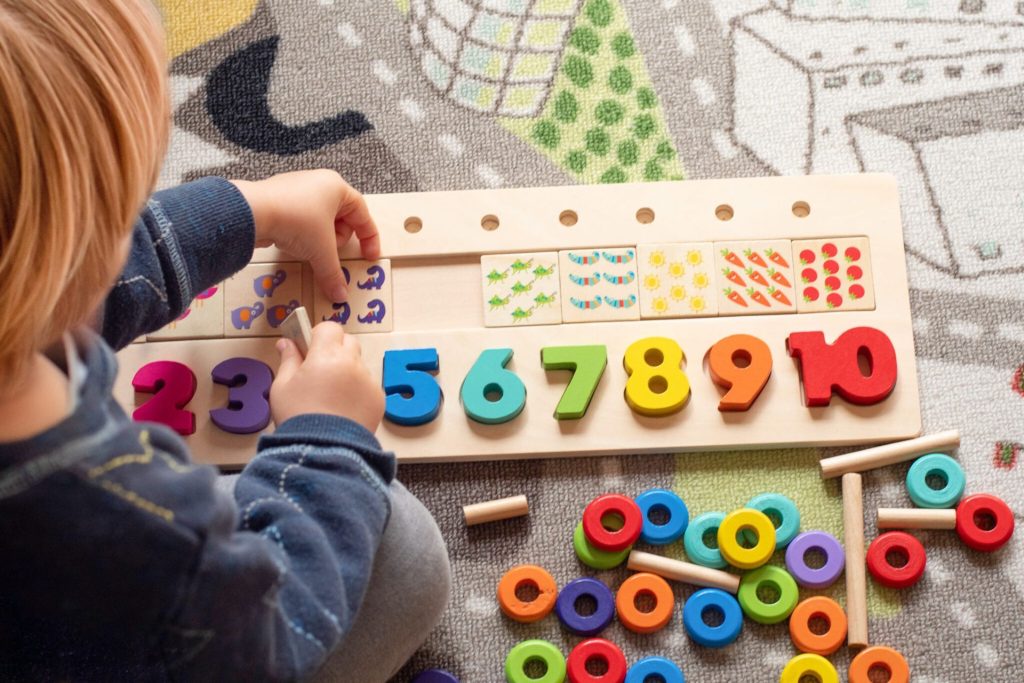
- Math puzzles: Engaging with math-based challenges bolsters quantitative skills and numerical literacy. By tackling problems that require mathematical reasoning, individuals enhance their analytical abilities, which are crucial in fields such as finance and science.
- Escape room puzzles: These immersive experiences are designed to be completed under time constraints, pushing players to work collaboratively and communicate effectively. Such work promotes teamwork skills and time management, which are invaluable in any career.
By understanding the different types of puzzles and their respective advantages, individuals can tailor their exploration to meet specific cognitive goals. Engaging with a variety of puzzle types can ensure a comprehensive development of problem-solving skills necessary for tackling challenges in both academic and professional settings.
The journey to improve one’s problem-solving ability through puzzles is not just a solitary experience; communal puzzle-solving activities can enhance interpersonal skills and foster connections among peers. In a time when collaboration is more important than ever, these social interactions can create lasting friendships and important networks.
As we delve deeper into the benefits of puzzles, it becomes apparent that these tools go far beyond simple entertainment—they are potent instruments for cognitive enhancement, guiding individuals toward greater problem-solving capabilities.
Enhancing Cognitive Abilities through Puzzles
Engaging in puzzles is not merely a pastime; it is a powerful method for strengthening cognitive abilities. The exploration of various puzzle types, such as crosswords, Sudoku, and logic puzzles, demonstrates how consistent practice can lead to significant improvements in critical thinking and analytical skills. These activities challenge our brain to recognize patterns, form connections, and devise strategies under pressure, all of which are vital when developing robust problem-solving skills.Puzzles encourage an iterative approach to learning. When faced with challenging tasks, individuals learn to reassess their strategies, a practice that mirrors real-life problem-solving scenarios. For instance, a particularly difficult Sudoku may lead one to reconsider their initial assumptions about numbers, thereby promoting adaptability—a key characteristic of effective problem solvers.Additionally, many studies highlight the role of collaborative puzzle-solving in enhancing social skills. Working with others on intricate puzzles promotes communication, team dynamics, and shared problem-solving tactics. This collaborative aspect brings a distinctive dimension to puzzles, reinforcing that solutions often come from diverse insights and perspectives.
Table of Advantages of Problem-Solving through Puzzles
| Category | Advantages |
|---|---|
| Cognitive Development | Strengthens analytical thinking and enhances memory retention. |
| Social Interaction | Fosters team collaboration and improves communication skills. |
Through these diverse benefits, puzzles emerge as a practical approach to developing problem-solving skills that are essential for both personal and professional growth. Whether you are a student tackling challenges in a classroom or a professional facing complex scenarios at work, integrating puzzles into your routine cultivates a robust mindset ready to tackle any problem. The journey through the world of puzzles unfolds numerous opportunities for growth and discovery.
DISCOVER MORE: Click here to dive deeper
The Role of Puzzles in Real-Life Application
While the cognitive benefits of puzzles are well-documented, their implications in real-life problem-solving scenarios cannot be overstated. Engaging with puzzles cultivates not only mental acuity but equips individuals with transferable skills that prove invaluable across various aspects of life. The ability to dissect a problem, formulating a viable strategy, and executing it effectively are core competencies that can be developed through consistent puzzle engagement.
One of the most striking examples of puzzles enhancing real-world problem-solving can be found in education. Educators are increasingly turning to puzzle-based learning to facilitate deeper understanding among students. For instance, incorporating math puzzles into classroom activities has shown to enhance students’ numerical reasoning while making learning fun. This shows promise in maintaining student interest and encouraging persistent problem-solving efforts, essential traits for future academic success.
Moreover, in the corporate environment, employers value teams that can tackle challenges innovatively. Research suggests that companies that foster problem-solving through activities such as team puzzles or escape room challenges often see enhanced creativity and collaboration among employees. Such activities not only improve individual skills but also help build a cohesive team culture where members feel empowered to share ideas and tackle challenges collectively.
Incorporating Puzzles into Daily Routines
Implementing puzzles into daily routines can be straightforward and enjoyable. For those who seek quick mental workouts, mobile applications and websites offer a plethora of puzzles, from Sudoku to crosswords. Setting aside just 10 to 15 minutes a day can create a significant impact over time. Additionally, engaging in puzzles with family and friends fosters social connections while simultaneously enhancing cognitive skills. This shared experience can lead to interesting discussions and varying perspectives on problem-solving methods.
Another approach is to challenge oneself with time-limited puzzle-solving sessions. Research indicates that adding time constraints can heighten the adrenaline and focus during problem-solving, encouraging individuals to think quickly and adapt. This mirrors high-stakes situations commonly encountered in professional settings, thereby providing practice for real-life scenarios where clear judgment and swift decision-making are crucial.
Taking It a Step Further: Competing in Puzzle Challenges
For enthusiasts looking to test their skills further, participating in puzzle competitions offers both a challenge and an avenue for growth. These events not only pit participants against the clock but also against like-minded individuals who share a passion for problem-solving. Whether participating in local contests or even online competitions, the experience offers invaluable lessons in time management, strategic thinking, and the ability to handle pressure—all critical components of effective problem-solving.
The journey of puzzle-solving extends beyond personal growth; it cultivates community engagement and collaboration. Joining local puzzle clubs or online forums allows individuals to connect with others while discussing strategies and sharing insights, enriching the overall experience. The exchange of methods and techniques can unlock new ways of thinking about problems, ultimately leading to greater cognitive flexibility and adaptability.
As we navigate through puzzles, it becomes clear that their value lies not merely in solving them but in the myriad ways they can be integrated into our daily lives—transforming us into more adept problem solvers, ready to tackle the challenges that life presents.
DIVE DEEPER: Click here to discover more
Conclusion
In summary, the journey of enhancing problem-solving skills through puzzles is both an engaging and practical endeavor. As we have explored, puzzles serve as a vehicle for cognitive development, nurturing essential skills such as analytical thinking, creativity, and perseverance. Whether in the classroom or the workplace, the application of puzzle-solving techniques has proven advantageous, helping individuals tackle challenges with innovative approaches.
Incorporating puzzles into daily routines, even in small doses, can lead to significant improvements over time. The availability of various digital platforms makes it easier than ever to engage with a range of puzzles, effectively fitting them into busy lifestyles. The social dimension of puzzling with friends and family only enhances the experience, fostering collaboration and communication—two key components of successful problem-solving.
Furthermore, taking the plunge into competitive puzzle events offers individuals a unique opportunity to test their mettle while simultaneously honing their skills under pressure. Such experiences can mirror real-world challenges, preparing participants for high-stake scenarios they may face in their personal and professional lives.
Ultimately, the act of solving puzzles transcends mere entertainment; it is a gateway to developing a mindset geared for success. As we continue to embrace puzzles as a tool for growth, we are not only sharpening our minds but also equipping ourselves to confront complex problems with confidence and creativity. In a world where challenges are inevitable, cultivating these skills through puzzles is a promising and enjoyable path to resilience and adaptability.
Related posts:
Developing Resilience Through Mental Challenges: The Importance of Logic Games
How Narrative in Puzzles Can Influence Problem-Solving Approaches
Escape Games: How They Stimulate Problem Solving in High-Pressure Environments
The Effect of Simulation Games on Real-World Problem Solving
Unraveling Mysteries: How Puzzle Games Stimulate Critical Thinking and Creativity
The Psychology Behind Logic Games: How to Solve Problems Strategically

Linda Carter is a writer and puzzle expert specializing in mind games, brain teasers, and cognitive challenges. With extensive experience helping individuals enhance their problem-solving skills and think critically, Linda shares her knowledge on our platform. Her goal is to empower readers with practical advice, engaging puzzles, and strategies to sharpen their minds and achieve success in the captivating world of mind games and puzzles.