How Virtual Reality Puzzles are Redefining Cognitive Training

Revolutionizing Cognitive Training
As technology advances, the ways we learn and train our brains evolve. Virtual Reality (VR) is at the forefront of this transformation, offering immersive experiences that challenge and engage users. Among its most innovative applications are VR puzzles, which are redefining traditional cognitive training methods.
Why Virtual Reality Puzzles?
VR puzzles provide unique benefits, making them a valuable tool in cognitive training. These puzzles engage users not only in problem-solving but also in critical thinking, memory enhancement, and spatial awareness.
- Immersive Experiences: Users are transported to various environments, ranging from serene landscapes to thrilling fantasy worlds. This level of immersion enhances focus and engagement significantly compared to conventional puzzle games, as it captivates the user’s attention and minimizes distractions.
- Real-Time Feedback: Players receive immediate results, allowing for adaptive learning. This instant feedback loop encourages users to recognize their mistakes, understand concepts better, and adjust their strategies, leading to an accelerated learning process.
- Social Interaction: Many VR puzzle games include multiplayer modes, fostering collaboration and teamwork. This social aspect allows friends and family to solve puzzles together, enhancing communication skills and building bonds, much like traditional board games did in the past.
The intersection of gaming and cognitive training is not just innovative; it’s necessary. Reports indicate that over 50% of adults feel the need to actively improve their cognitive skills. In today’s fast-paced world, where information overload is common, traditional methods of skill enhancement often fall short, leading to disengagement. However, VR offers a stimulating alternative that keeps users motivated through gamification, tapping into the natural human desire for achievement and reward.
Future Potential
The future of cognitive training looks promising as VR technology continues to evolve. With advancements in hardware like more lightweight headsets and software featuring refined graphics, VR puzzles are becoming more accessible to a wider audience. For example, platforms like Oculus Quest and HTC Vive are paving the way for consumers to experience VR without needing extensive setup or high costs.
Moreover, the potential applications of VR puzzles extend beyond personal development to educational and rehabilitation strategies. Schools could integrate VR puzzles into their curriculums, offering students a dynamic way to develop critical thinking skills. Rehabilitation programs for cognitive impairments can also utilize VR to create tailored experiences that assist in recovery, proving that the integration of technology in cognitive training is not just innovative but necessary for a progressive future.
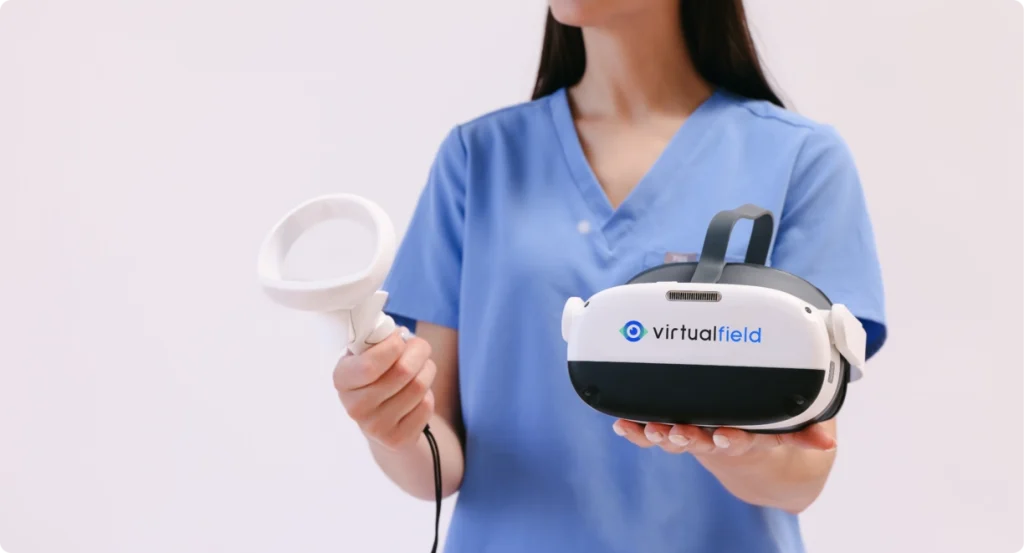
As this trend grows, the appeal of cognitive training through VR puzzles will likely redefine how individuals interact with knowledge and skills in the years to come. Those engaged in cognitive training—be they students, professionals, or individuals overcoming cognitive challenges—are primed to benefit significantly from the captivating world of VR.
DISCOVER MORE: Click here to dive deeper
Engagement Through Immersion
One of the most compelling reasons virtual reality puzzles are redefining cognitive training lies in their ability to immerse users in a three-dimensional environment that engages multiple senses. Unlike traditional game formats, which often rely on two-dimensional screens, VR puzzles create a sense of presence that can significantly enhance cognitive engagement. This immersive aspect is critical not just for enjoyment but also for effective learning, as studies have shown that immersive experiences can lead to deeper cognitive processing.
Boosting Cognitive Functions
The variety of cognitive skills targeted by VR puzzles is impressive. Here’s how they specifically cater to enhancing key mental faculties:
- Problem-Solving Skills: VR puzzles often present complex scenarios that require creative and analytical thinking. This challenges players to devise solutions under time pressure and in unpredictable settings, mirroring real-life situations where quick thinking is essential.
- Memory Enhancement: Many puzzles rely on tasks that require memorization of sequences or spatial configurations. Engaging with these demands users to recall information actively, thereby strengthening their memory pathways.
- Spatial Awareness: The 3D nature of virtual environments fosters improved spatial reasoning abilities. Players learn to navigate and manipulate objects in space, honing skills that have practical applications in fields like engineering, architecture, and even everyday tasks like driving.
- Attention Control: These puzzles challenge users to focus on specific tasks while ignoring distractions in their virtual environments. Enhanced attention control translates to better concentration in real-world scenarios.
Moreover, the integration of gamification in VR puzzles can further boost cognitive training effectiveness. The potential for scoring systems, levels of achievement, and rewards generates a motivational feedback loop that encourages continued engagement. Research shows that gamified elements significantly improve learning outcomes, as users are more likely to stick with challenges that offer them a sense of accomplishment.
As we delve deeper into the mechanics of VR puzzles, it is crucial to understand how these elements interact to form a comprehensive training regimen. The use of sensory inputs to stimulate cognitive pathways is not just innovative; it represents a shift toward a more holistic approach to cognitive enhancement. What once seemed mundane becomes enthralling as users embark on quests, solve intricate mysteries, and tackle complex challenges in a stimulating environment designed to boost their brainpower.
Addressing Learning Gaps
In the fast-paced world we live in, the need for effective cognitive training methods is more pressing than ever. Traditional classroom settings often fail to cater to diverse learning styles, leading to gaps in essential cognitive skills. VR puzzles not only fill these gaps but also provide equitable learning experiences suitable for diverse populations, including children and adults with varying cognitive abilities. As educators and trainers explore these new avenues, the implications for personalized learning strategies and inclusive education become evident.
Innovative Technology Meets Cognitive Learning
The integration of Virtual Reality (VR) into cognitive training has introduced a significant shift in how individuals approach mental challenges. This technology allows for immersive experiences that replicate real-world scenarios, facilitating advanced learning methodologies. These experiences not only enhance engagement but also foster a greater retention of information.
The adaptability of VR puzzles means they can be tailored to various cognitive abilities, from enhancing problem-solving skills in children to refining memory and decision-making in older adults. Personalization ensures that users remain challenged yet capable, promoting sustained cognitive growth.
Cognitive Benefits Beyond Expectation
Research shows that consistent engagement with VR puzzles leads to measurable improvements in cognitive functions such as attention, working memory, and spatial awareness. Users report heightened levels of concentration and an increased ability to multitask, illustrating the broad-spectrum benefits of this training modality.
Moreover, the interactive nature of VR puzzles encourages collaboration among users, fostering social connections that are crucial for emotional and cognitive well-being. These shared experiences can lead to enhanced communication skills, thereby further deepening the impact of cognitive training.
A Gateway to Future Learning
As we look toward the future, the potential applications of VR in education and therapy appear boundless. From rehabilitation programs for brain injuries to advanced learning environments for students, VR technology is paving the way for a new era of cognitive training that promises better outcomes and more engaging learning experiences. Understanding and exploring these capabilities is crucial for educators, therapists, and anyone interested in enhancing cognitive abilities through innovative technology.
| Category | Key Features |
|---|---|
| Engaging Experiences | Immersive environments that hold user attention. |
| Personalization | Tailored challenges based on individual cognitive abilities. |
| Measurable Improvement | Significant enhancements in cognitive functions reported. |
| Social Connectivity | Encourages collaborative problem-solving and teamwork. |
DISCOVER MORE: Click here to learn how jigsaw puzzles can boost your brain power
Innovative Assessment Methods
In addition to their intrinsic cognitive benefits, virtual reality puzzles are redefining the methods by which cognitive abilities are assessed. Traditional assessments often rely on static tests that yield limited insight into a learner’s capabilities. In contrast, VR environments provide dynamic assessments that can adapt in real-time to a user’s actions and decisions. This adaptability enables a more comprehensive evaluation of cognitive skills, allowing educators and trainers to identify strengths and weaknesses with greater precision.
For instance, in a virtual reality scenario where players navigate a maze that evolves based on their choices, facilitators can analyze various metrics, including reaction times, decision-making speed, and the ability to strategize. This not only offers a clearer picture of an individual’s cognitive strengths but also opens opportunities for targeted interventions. In a study by the National Institutes of Health, researchers found that immersive environments enhanced the accuracy of cognitive assessments, yielding results that were up to 30% more predictive of real-world performance than traditional IQ tests.
Therapeutic Applications
The therapeutic applications of VR puzzles are particularly promising in the realm of cognitive training. As mental health awareness continues to rise, an increasing number of professionals are incorporating VR into therapeutic settings to address cognitive impairments from conditions such as PTSD, anxiety, and age-related cognitive decline. Engaging individuals in VR environments that simulate therapeutic scenarios can facilitate exposure therapy while also encouraging cognitive engagement.
For example, a project at the University of Southern California used VR to assist veterans with PTSD by immersing them in controlled environments that mimic stressful situations. Participants engaged in puzzles designed to redirect their focus and enhance their cognitive resilience. Results indicated not only a decrease in symptoms but also a notable improvement in cognitive functions such as memory and problem-solving skills.
Collaborative Learning Experiences
Another revolutionary aspect of VR puzzles is their ability to create interactive, collaborative learning experiences that transcend geographical boundaries. Virtual reality provides a platform for users to connect, collaborate, and solve puzzles together, regardless of their physical locations. This fosters teamwork, communication skills, and a sense of community—elements often lacking in traditional cognitive training models.
One notable example is “The Lab,” a VR platform designed for educational institutions that offers problem-solving puzzles in group settings. Players from various locations tackle challenges that require coordinated efforts, ultimately promoting social interaction while honing collaborative cognitive skills. This feature is particularly beneficial in educational environments where engagement and motivation can wane over time. Research shows that collaborative learning environments can lead to a 45% increase in knowledge retention and skill acquisition as learners actively engage with one another.
Ultimately, the rich, interactive world enabled by virtual reality puzzles is not just a novelty; it represents a transformative approach to cognitive training. As technology evolves, the opportunity for innovative design, tailored assessments, and enhanced therapeutic applications could reshape how we approach learning and cognitive development in the years to come.
DISCOVER MORE: Click here to learn about the impact of memory-boosting apps
Conclusion
In summary, virtual reality puzzles are not merely an entertaining diversion; they are fundamentally transforming the landscape of cognitive training. By leveraging the immersive nature of VR, these puzzles offer enriched cognitive assessments that surpass conventional methods in depth and accuracy. As we have explored, the dynamic environments provided by VR allow for real-time evaluations that reveal crucial insights into an individual’s cognitive strengths and weaknesses. This innovation empowers educators and trainers to tailor interventions that can significantly enhance learning outcomes.
Moreover, the therapeutic potential of VR puzzles, particularly for those suffering from cognitive impairments due to trauma or age-related decline, is profound. The case studies highlighting successful interventions for veterans with PTSD exemplify how cognitive functions can be improved alongside mental health, inspiring continued exploration in clinical settings.
The collaborative dimensions of VR puzzles further add to their appeal, fostering teamwork and social interaction that is often lacking in traditional training environments. The ability to engage learners across geographical boundaries not only enhances motivation but also cultivates essential communication skills vital for personal and professional success.
As we look to the future, the intersection of technology and cognitive training holds incredible promise. The ongoing development of virtual reality puzzles suggests that they will continue to play a pivotal role in reshaping how we understand learning, cognition, and rehabilitation. Investing in this innovative approach today may lead to remarkable advancements in cognitive training methodologies, ultimately enriching the lives of learners and individuals engaged in therapeutic contexts alike.
Related posts:
The Influence of Mind Games on Mental Agility in Competitive Sports
How Daily Puzzle Challenges Can Improve Cognitive Resilience
The Influence of Escape Room Experiences on Mental Agility Development
The Impact of Mind Puzzles on Mental Agility in Adults
The Effects of Collaborative Puzzle Solving on Team Mental Agility
The Science of Mental Agility and Its Connection to Memory Games

Linda Carter is a writer and puzzle expert specializing in mind games, brain teasers, and cognitive challenges. With extensive experience helping individuals enhance their problem-solving skills and think critically, Linda shares her knowledge on our platform. Her goal is to empower readers with practical advice, engaging puzzles, and strategies to sharpen their minds and achieve success in the captivating world of mind games and puzzles.