

Harnessing the Benefits of Structured Task Management
In an era characterized by relentless demands on our time and attention, effective time management stands as a cornerstone of achievement. The myriad of responsibilities we face—from work obligations to personal commitments—can easily lead to feelings of being swamped. Nevertheless, mastering scheduling strategies can turn this turmoil into a well-oiled machine, enhancing productivity and well-being simultaneously.
Task prioritization is central to this transformation, empowering individuals to distinguish between urgent and important activities. By identifying what truly matters, you can allocate your time and energy more judiciously. The benefits of task prioritization are significant and multifaceted:
- Increased Productivity: When you focus on high-impact tasks, you tap into the principle of “the vital few,” often resulting in accomplishing exponentially more in less time. For example, a student who prioritizes studying key topics for an exam rather than getting lost in less important materials likely achieves better results.
- Reduced Stress: Tackling a lengthy to-do list can be daunting. However, by prioritizing tasks, you can alleviate the pressure that comes with overwhelming expectations. This lowers anxiety and fosters a more relaxed approach to work.
- Enhanced Focus: Emphasizing important tasks enhances concentration. For instance, business professionals who block out time for essential project work often report fewer interruptions, leading to higher quality outputs.
Implementing effective scheduling techniques can yield measurable improvements in your workflow, helping transform chaotic days into productive ones. Strategies to consider include:
- Utilizing digital productivity tools such as Todoist, Trello, or Asana, which can organize tasks visually and streamline collaborative efforts.
- Implementing the Eisenhower Matrix, a simple yet powerful grid that helps categorize tasks into four quadrants: urgent and important, important but not urgent, urgent but not important, and neither. This can guide your decision-making process.
- Setting specific, achievable goals using the SMART criteria (Specific, Measurable, Achievable, Relevant, Time-Bound). This approach ensures that objectives are well-defined and attainable.
By comprehensively understanding how task prioritization can shape and enhance your schedule, you not only become more efficient but also create a pathway for greater success in both personal and professional domains. The ability to effectively manage tasks is not merely a skill but an essential strategy for thriving in today’s competitive landscape. As you reflect on these techniques, are you ready to delve further into strategies that can significantly enhance your productivity and efficiency? The journey toward mastery begins with your next task.
DISCOVER MORE: Click here to enhance your skills
Effective Strategies for Task Prioritization
To fully harness the power of task prioritization, individuals must first understand the various strategies available that can significantly enhance their workflow and productivity. Adopting the right methods can transform how you approach daily tasks, ensuring that your time is spent on what truly matters. Here, we delve into some proven strategies that can shift your productivity into high gear:
- The ABCDE Method: This straightforward technique involves categorizing tasks into five distinct categories: A (most important), B (important), C (nice to do), D (delegate), and E (eliminate). By doing so, you create a clear hierarchy, allowing you to tackle high-priority tasks first, which drives momentum and focus.
- Time Blocking: This approach allocates specific time slots for different activities throughout your day. For instance, a marketing manager might set aside two uninterrupted hours in the morning to brainstorm new campaign ideas. Time blocking not only provides structure but also creates accountability, which can lead to heightened concentration.
- Pomodoro Technique: Developed by Francesco Cirillo, this method involves working in focused bursts of 25 minutes, followed by a 5-minute break. After four cycles, take a longer break of 15-30 minutes. This strategy can be particularly effective for those prone to distractions or multitasking, helping to maintain motivation while enhancing overall productivity.
- The 2-Minute Rule: Coined by productivity expert David Allen, this rule suggests that if a task takes less than two minutes to complete, do it immediately. This can significantly reduce the number of small tasks accumulating on your to-do list, freeing up mental space for larger projects.
- Daily and Weekly Reviews: Regularly reviewing your tasks, goals, and accomplishments is essential for effective prioritization. Set aside time each week to reassess your objectives, ensuring that you remain on track while making adjustments as necessary. This practice not only boosts productivity but also enhances strategic planning moving forward.
With these strategies at your disposal, you can start to tailor your approach to time management in a way that resonates with your individual needs and work style. As you begin to experiment with these methods, it’s important to remain adaptable. The key is to find a system that works for you, as not all strategies will yield the same results for every individual.
Moreover, the integration of technology can play a crucial role in refining your task management process. Digital tools such as project management software and task organizers can provide the structure needed to implement your selected strategies efficiently. With intuitive interfaces and collaborative features, these applications can turn prioritization from a mental exercise into a streamlined, manageable process.
Ultimately, understanding the importance of task prioritization can lead to a significant enhancement in both your workflow and productivity. By employing structured scheduling strategies, you establish a framework that not only promotes efficiency but also paves the way for greater achievement in both your personal and professional life.
| Advantage | Description |
|---|---|
| Increased Focus | Task prioritization allows individuals to concentrate on high-impact tasks, reducing distractions and boosting efficiency. |
| Better Time Management | By organizing tasks according to their urgency and importance, one can allocate time effectively, ensuring deadlines are met without stress. |
Effective scheduling strategies are not just about having a list; they lead to meaningful productivity boosts. By identifying high-priority tasks through strategies like the Eisenhower Matrix, you can categorize activities into urgent and important, creating clarity on what needs immediate attention. Additionally, incorporating tools such as digital planners or project management software can enhance organizational efficiency. These tools provide visual aids and reminders that keep you on track, ensuring that crucial deadlines are met and that tasks do not slip through the cracks.Moreover, consider adopting techniques like the Pomodoro Technique, which recommends working in focused sprints followed by short breaks. This method can enhance cognitive endurance and refresh your mind, ultimately contributing to a more productive workflow. Each of these approaches not only aids in prioritization but also fosters a sense of accomplishment as tasks are completed, nurturing motivation and further improving productivity levels.
DIVE DEEPER: Click here to discover how digital tools can enhance your productivity
Leveraging Technology for Enhanced Prioritization
As we navigate the complexities of modern work environments, the integration of technology into our task prioritization strategies is becoming increasingly paramount. With a plethora of productivity apps and software solutions emerging, professionals now have unprecedented access to tools designed to optimize workflow and improve focus. These applications not only aid in organizing tasks but also foster collaboration and communication among team members, leading to improved collective productivity.
One prominent category of these tools is project management software, such as Asana, Trello, or Basecamp. These platforms allow users to create, assign, and track tasks in real-time, ensuring that everyone stays aligned with the project goals. By visualizing tasks in lists or Kanban boards, teams can better prioritize work as they have immediate visibility into what is urgent, what can wait, and any potential bottlenecks. Furthermore, many of these tools include features for setting deadlines and sending reminders, which serves to enhance accountability.
Another critical technology for enhancing workflow is digital calendars like Google Calendar or Microsoft Outlook. Utilizing these platforms effectively can transform the way you approach your scheduling. For instance, integrating your task prioritization system with your calendar can help ensure that your most critical tasks receive dedicated time slots. This can also include blocking time for breaks to prevent burnout, which is a growing concern in fast-paced workplaces.
Creating Automation for Repetitive Tasks
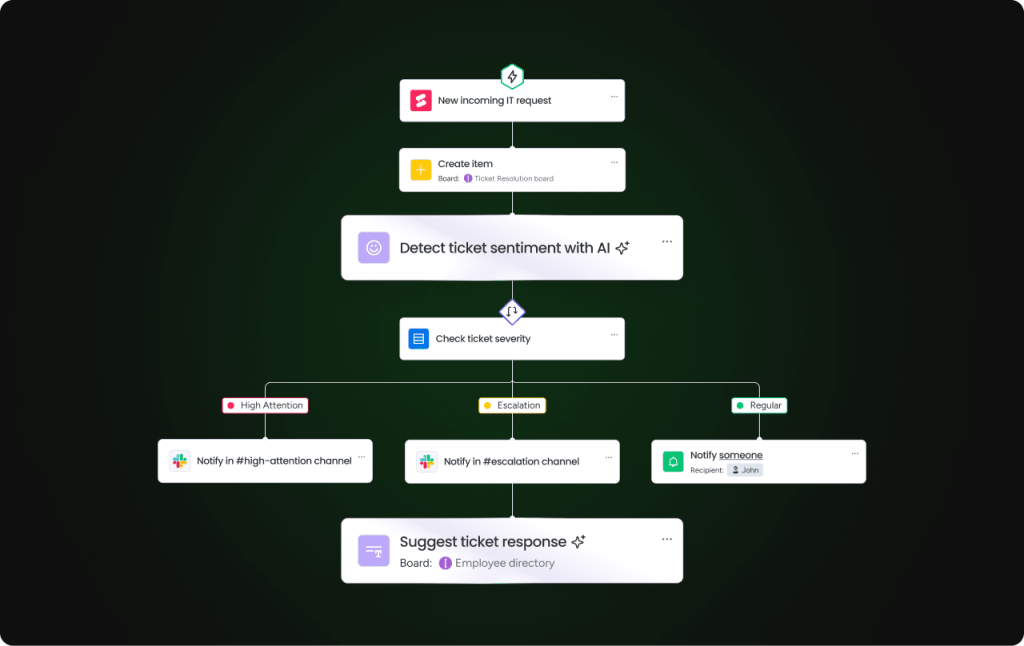
Automation is another game-changer in the realm of task prioritization. Tools like IFTTT (If This Then That) or Zapier can help automate repetitive tasks, such as reminders for overdue projects or sending team updates. By freeing up time previously spent on these minor tasks, individuals can redirect their focus on higher-value activities that drive results and foster innovation.
The concept of automation also extends to email management. Applications like SaneBox or Unroll.Me not only help to declutter your inbox but can prioritize important communications while suppressing less critical ones. By minimizing distractions from non-essential emails, professionals can foster better concentration, allowing them to dedicate more time to crucial projects without constant interruptions.
Data Insights for Informed Prioritization
Utilizing performance analytics can also sharpen task prioritization skills. Tools like RescueTime provide insights into how you allocate your time, allowing a clearer picture of productivity patterns. By identifying which areas consume most of your hours without yielding significant results, you can adjust your approach and eliminate time-wasting activities. This data-driven decision-making empowers you to prioritize tasks based on not just urgency but also on impact.
Moreover, the reliance on data can help organizations optimize workforce allocation. For instance, understanding peak productivity hours can guide decisions about when to schedule meetings or collaborative work sessions. Recognizing that certain team members may perform best at different times can lead to smarter scheduling, which ultimately enhances overall productivity.
Incorporating these technologies into your scheduling strategies is not merely a trend; it is a significant shift toward smarter work habits. As you explore these options, remember that the goal is to create a customized system that resonates with your unique workflows. The right combination of task prioritization methods and technological support can pave the way for increased efficiency and productivity, fundamentally changing how you experience your workday.
LEARN MORE: Click here to enhance your productivity
Conclusion
In today’s fast-paced work environments, mastering scheduling strategies and effective task prioritization is more crucial than ever. By leveraging modern technology and innovative tools, professionals can streamline their workflows and enhance productivity. Implementing project management solutions and calendar integrations not only helps in visualizing tasks but also aligns team efforts towards common goals, which translates into improved collaboration and results.
Furthermore, the adoption of automation for repetitive tasks, alongside thoughtful email management, significantly reduces distractions and frees up valuable time. This allows individuals to focus on high-impact projects that drive growth and innovation. Incorporating analytical insights about time usage further empowers teams to refine their processes and make more informed decisions about where to allocate their efforts.
Ultimately, the essence of effective scheduling lies not just in managing time or tasks but in cultivating a flexible and adaptive mindset. As professionals explore various methodologies and technologies, they can create bespoke systems that cater to their unique workflows. By doing so, they not only enhance their daily productivity but also set the stage for sustained long-term success in an increasingly competitive landscape. Embracing these scheduling strategies is more than just a trend; it is a pathway to transforming workplaces into hubs of efficiency and creativity.
Related posts:
Setting Effective Goals: The Role of Organization in Building Productive Habits
The Art of Prioritization: How to Optimize Your Workflow Daily
Maximizing Efficiency: Time Management Techniques for a Disruption-Free Workflow
The Importance of Personal Organization: Building Focus and Efficiency Habits for Effective Weekly P...
Personal Organization and Focus: How Daily Planning Boosts Your Productivity
Building Productive Habits: Self-Discipline Strategies to Improve Personal Organization

Beatriz Johnson is a seasoned productivity strategist and writer with a passion for simplifying the complexities of time management and personal organization. With over a decade of experience in efficiency optimization, she specializes in topics like workflow design, habit formation, and productivity systems for modern professionals. Through her work, Beatriz empowers readers to take control of their schedules, eliminate overwhelm, and stay ahead in today’s fast-paced world.