The Impact of Sudoku on Memory Retention and Cognitive Skills
Understanding the Benefits of Sudoku on Cognitive Functioning
In recent years, the puzzle game Sudoku has skyrocketed in popularity, capturing the attention of millions across the globe. As a seemingly simple grid-based challenge, it offers profound benefits, particularly in regard to memory retention and enhancing cognitive skills. Its rise can be attributed not only to its engaging nature but also to its capacity to stimulate the mind in ways that traditional entertainment often fails to achieve.
What makes Sudoku so compelling? Delving deeper into its mechanics reveals several key features that contribute to its cognitive impact:
- Problem Solving: Engaging with Sudoku requires one to employ critical thinking and logical reasoning, skills invaluable in both academic and professional environments. For instance, players must deduce which numbers can occupy specific squares while considering the constraints imposed by the surrounding numbers.
- Pattern Recognition: Players improve their ability to identify patterns and relationships, an essential skill not only for math but also for fields such as science and engineering. Recognizing number placements can help in visualizing complex information in a more digestible format.
- Focus and Concentration: The game encourages a high level of attention, which is crucial for success. By training oneself to sustain focus for longer periods, players can translate this enhanced concentration into other areas of their lives, such as studying or performing at work.
Research suggests that regular participation in Sudoku can lead to significant improvements in various mental faculties. For instance, studies have shown that:
- Short-term Memory: Engaging with this puzzle enhances retention of numerical sequences. Players often find that their ability to remember where numbers have been placed strengthens over time, enhancing their overall memory.
- Long-term Cognitive Health: Continuous practice may help guard against age-related decline. Neuroscientific studies indicate that activities like Sudoku can stimulate neurogenesis, the process of generating new neurons in the brain, which is vital for maintaining cognitive health as one ages.
- Mental Agility: Players often report increased speed in processing information, as the game fosters quick thinking and decision-making skills.
As we delve deeper into the impact of Sudoku on memory retention and cognitive skills, we can uncover fascinating insights into how this simple game can reshape our mental capabilities for the better. Its accessibility, found in newspapers, mobile apps, or online forums, means that anyone can pick it up and start reaping its cognitive benefits, regardless of age or skill level. This democratization of brain-training games is perhaps one of the most significant advantages of Sudoku, as it opens the doors for mental enhancement to virtually everyone, paving the way for a more mentally resilient society.
DISCOVER MORE: Click here to learn how memory games can help

The Cognitive Mechanics Behind Sudoku
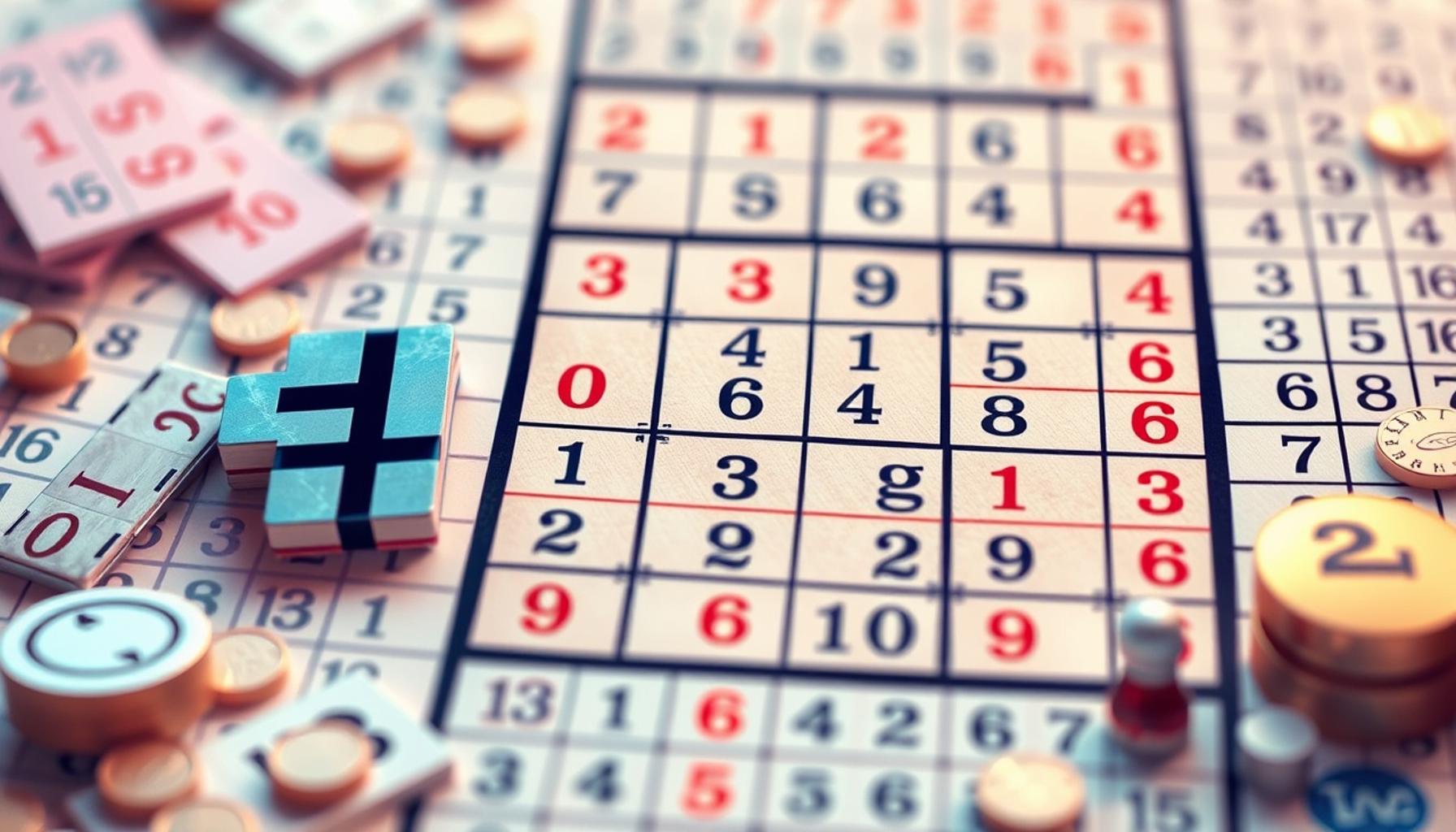
At its core, Sudoku is more than just a pastime; it is a complex exercise for the brain that engages various cognitive processes. By challenging players to fill a 9×9 grid with numbers, ensuring each row, column, and subgrid contains all digits from 1 to 9 without repetition, the game becomes a delightful battleground for the mind. This gameplay structure not only captivates but also elicits several mental benefits, particularly in the areas of memory retention and enhanced cognitive skills.
One of the primary advantages of regularly engaging in Sudoku is its inherent demand for working memory. Working memory refers to the ability to hold and manipulate information in mind over short periods. When players place a number on the Sudoku grid, they must simultaneously recall which numbers have already been used in other cells. This process fosters improved short-term memory as individuals consistently practice tracking their progress and recalling previous placements.
Moreover, Sudoku serves as an effective training tool for enhancing long-term memory. A study published in the journal Psychological Research highlights how individuals exposed to mentally stimulating activities, including puzzle games like Sudoku, demonstrated significantly better long-term recall abilities. As players encounter an array of Sudoku puzzles, they train their brains to recognize patterns and apply learned strategies, reinforcing their long-term memory pathways.
In addition to memory improvement, Sudoku encourages the growth of essential cognitive skills through various engaging methodologies:
- Analytical Thinking: Each Sudoku puzzle requires analysis and strategic planning. Players must analyze how different number placements affect the overall puzzle and adapt their strategies based on potential future moves.
- Critical Reasoning: The game hones critical reasoning skills by forcing players to make decisions based on logic rather than guesswork. The skill of evaluating the most suitable choices strengthens one’s ability to make reasoned decisions in real-life situations.
- Resilience to Failure: The iterative nature of solving Sudoku fosters resilience. When players encounter a mistake, they must backtrack, reassess, and correct their errors, an experience that translates to resilience in overcoming challenges outside the game.
As players continue to engage with Sudoku, they not only experience personal satisfaction from completing puzzles but also witness measurable improvements in their cognitive function. Researchers point out that the consistent mental exercise provided by Sudoku can help delay cognitive decline and improve overall brain health, factors that are crucial as individuals age.
In summary, the intricate interplay between memory retention and cognitive skill enhancement in Sudoku reveals a profound relationship that deserves exploration. With its growing accessibility and presence in everyday life, this simple yet challenging game invites individuals of all ages to reap the rich intellectual benefits it has to offer.
The Impact of Sudoku on Memory Retention and Cognitive Skills
Sudoku is not just a game of numbers; it has garnered significant attention for its profound effects on the brain, particularly regarding memory retention and cognitive skills. Engaging regularly in Sudoku puzzles can result in improved memory recall. The process of remembering the rules and patterns necessary to solve these puzzles exercises the brain similarly to physical workouts that improve muscle memory.Moreover, Sudoku enhances problem-solving abilities and logical reasoning. As players navigate through the complexities of puzzles, they train their brains to think critically and approach challenges with strategic planning. Such skills are invaluable not only in academic settings but also in everyday decision-making and personal relationships.In addition to these cognitive benefits, studies suggest that regularly solving Sudoku can help delay the onset of cognitive decline associated with aging. This correlation makes it an engaging tool for maintaining mental agility in older adults. Playing Sudoku may provide a rewarding and stimulating way to keep cognitive skills sharp as one ages.To further understand these benefits, let’s delve into a table that outlines the specific advantages and the cognitive categories related to Sudoku.
| Category | Advantages |
|---|---|
| Memory Enhancement | Reinforces memory through logical sequencing and pattern recognition. |
| Cognitive Flexibility | Improves decision-making and adaptability in problem-solving scenarios. |
| Delayed Cognitive Decline | Engaging in Sudoku may help mitigate effects of dementia. |
This table clearly illustrates how Sudoku contributes to various cognitive features, affirming its significance beyond mere entertainment. Whether one is a seasoned player or a novice, the long-term cognitive benefits of incorporating Sudoku into daily routines are compelling and encouraging for individuals seeking to boost their mental faculties.
DISCOVER MORE: Click here to learn about the benefits of memory palace techniques
Sudoku: A Unique Pathway to Enhanced Mental Agility
The benefits of Sudoku extend beyond mere recreation, weaving a compelling narrative around mental agility and brain health. As daily routines become increasingly hectic and challenging, the necessity for activities that stimulate and sharpen cognitive abilities has never been more vital. Studies have shown a clear connection between consistent engagement in Sudoku and improved executive functions, which encompass a variety of mental processes including problem-solving, working memory, and cognitive flexibility.
Research conducted by the University of California, Irvine, found that individuals who regularly engaged in number puzzles, including Sudoku, exhibited a greater proficiency in cognitive flexibility compared to those who did not. Cognitive flexibility is crucial in adapting one’s thinking to new and unexpected conditions, an essential skill in today’s fast-paced world. Through the practice of identifying patterns and applying various strategies to solve each puzzle, players inherently develop a more agile mindset, enabling them to think outside the box in real-life situations.
Moreover, the process of solving Sudoku puzzles necessitates a form of meta-cognition, which refers to thinking about one’s own thinking. Players must become aware of their problem-solving strategies as they work through different puzzles. This self-awareness cultivates improved metacognitive skills, helping individuals to assess their performance and adjust their tactics accordingly. In turn, these skills can lead to stronger self-regulation and enhanced ability to learn new concepts quickly and effectively.
An intriguing area of research revolves around the potential long-term benefits of Sudoku on neuroplasticity. Neuroplasticity is the brain’s ability to reorganize itself by forming new neural connections throughout life. Engaging in regular, mentally-stimulating activities like Sudoku has been associated with increased neuron growth in regions of the brain responsible for memory and complex thought. This brings to light the possibility that lifelong Sudoku enthusiasts may not just postpone cognitive decline but could potentially fortify their cognitive reserve—an important factor in staving off conditions such as dementia.
Furthermore, the social dimensions of Sudoku cannot be overlooked. With the advent of online platforms and applications, Sudoku enthusiasts can connect with peers across the globe, fostering a community centered on shared passion and continuous learning. This aspect adds a layer of motivation, urging players to push their limits and tackle progressively challenging puzzles. Engaging with others in this manner also allows for the exchange of strategies and insights, further enriching the cognitive experience.
To illustrate the practical benefits of Sudoku in daily settings, consider individuals who incorporate it into their routines—students studying for exams, professionals seeking to enhance their analytical skills, and seniors aiming to keep their minds sharp. The shared goal of enhancing mental clarity and cognitive resilience unifies players from diverse backgrounds. As they navigate through the intricate world of Sudoku, they are not only enjoying a leisurely pastime but are actively honing their cognitive skills while reaping the benefits of improved memory retention.
This multidimensional approach to understanding how Sudoku impacts cognitive abilities highlights its potential as a powerful psychological tool. By embracing Sudoku not merely as a game, but as a gateway to unlocking greater cognitive prowess, players of all ages can embark on a transformative journey toward enhanced mental scope.
DIVE DEEPER: Click here to discover more
Conclusion: Unleashing Cognitive Potential Through Sudoku
As we’ve explored, the impact of Sudoku on memory retention and cognitive skills is not only profound but multifaceted. Engaging with Sudoku serves as an enjoyable yet potent means of sharpening one’s mental faculties. Regularly solving these puzzles has been linked to improved executive functions, enhanced memory, and even increased neuroplasticity. This enhances our ability to adapt to new challenges and fosters better problem-solving skills, which are invaluable in both personal and professional arenas.
Moreover, the incorporation of Sudoku into our daily routines can serve as a buffer against cognitive decline, particularly for aging populations. The brain’s capacity to form new neural connections through ongoing mental challenges reinforces the idea that engaging in cognitively stimulating activities is essential for lifelong brain health. As research continues to uncover the relationship between puzzle-solving and cognitive development, Sudoku emerges as a practical tool for anyone—be it students, professionals, or seniors—keen on enhancing their mental acuity.
Additionally, the community aspect of Sudoku, enriched by digital platforms, encourages knowledge-sharing and fosters a sense of camaraderie among players. This added dimension not only inspires individuals to elevate their skills but also promotes a culture of continuous learning and support. As such, adopting Sudoku as a regular practice can yield significant cognitive benefits while also providing enjoyment and social interaction.
In conclusion, as we actively engage with Sudoku, we are not just participating in a game; we are embarking on a journey that potentially enhances our cognitive prowess and improves our overall mental well-being. With each puzzle solved, we unlock not only numbers, but the vast potential of our minds, paving the way for sharper thinking and better memory retention.
Related posts:
The Role of Mnemonic Devices in Improving Puzzle Solving Efficiency
The Benefits of Memory Palace Techniques in Everyday Puzzle Solving
The Effect of Memory Cards on Long-Term Recall Abilities
The Connection Between Memory Challenges and Neuroplasticity in Adults
How Brain Teasers Improve Working Memory in Children
The Influence of Memory-Boosting Apps on Daily Cognitive Performance

Linda Carter is a writer and puzzle expert specializing in mind games, brain teasers, and cognitive challenges. With extensive experience helping individuals enhance their problem-solving skills and think critically, Linda shares her knowledge on our platform. Her goal is to empower readers with practical advice, engaging puzzles, and strategies to sharpen their minds and achieve success in the captivating world of mind games and puzzles.