Exploring the Cognitive Benefits of Logic Puzzles

Unlocking the Mind: The Power of Logic Puzzles
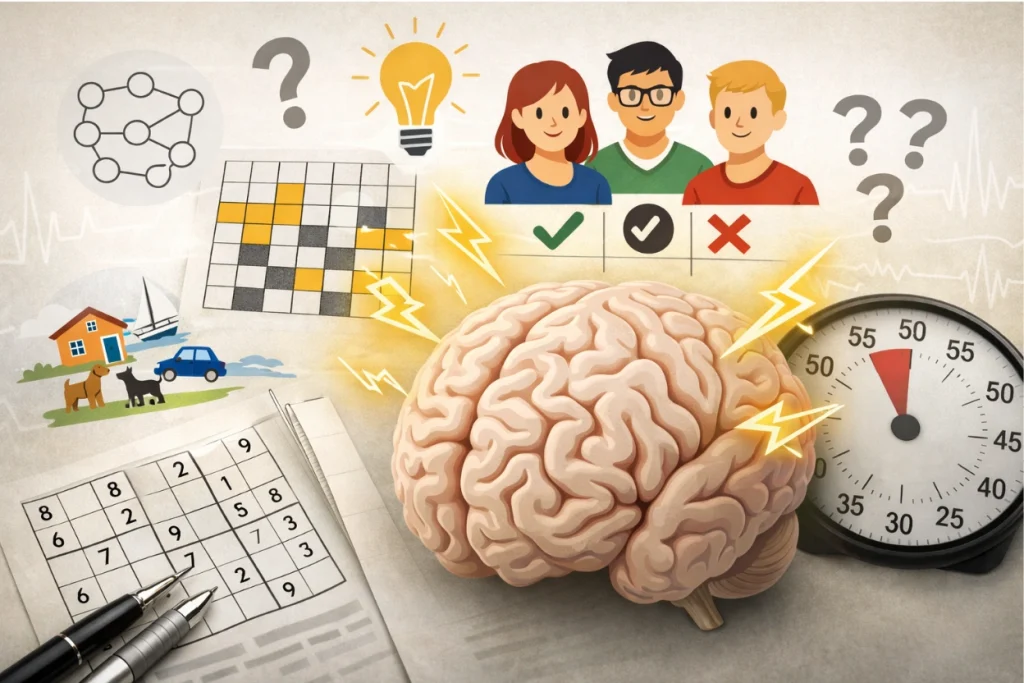
Logic puzzles are more than just entertaining pastimes; they are gateways to enhancing our cognitive abilities. Engaging in these mental challenges can lead to significant improvements in various aspects of brain function. The practice of solving these intriguing conundrums has not only captured the interest of many but has also garnered attention from researchers studying cognitive development.
Research has shown that solving logic puzzles can:
- Increase Problem-Solving Skills: Tackling complex scenarios helps develop strategic thinking. For instance, puzzles such as chess problems require players to envision multiple moves ahead, fostering the ability to anticipate challenges and devise effective strategies.
- Enhance Memory: Keeping track of rules and solutions can boost both short-term and long-term memory. Engaging with puzzles like Sudoku necessitates remembering numbers and their placements across the grid, which can lead to improved recall in other areas of life, such as retaining information during meetings or classes.
- Improve Attention to Detail: Carefully analyzing each aspect of a puzzle sharpens focus. An example of this can be seen in crossword puzzles, where small clues hinge on wordplay and specific knowledge, prompting solvers to pay close attention to clues and context.
Consider the diverse types of logic puzzles available today. From the logic grid puzzles found in puzzle books to popular digital apps like “BrainBashers,” each form offers unique cognitive challenges tailored to various skill levels and interests. For many, engaging with these puzzles has become a daily ritual, akin to a mental workout that keeps the brain agile. This engagement can often lead to a state of flow, where individuals lose track of time while immersed in their problem-solving quest.
As we delve deeper into the cognitive benefits of engaging with logic puzzles, it’s important to note that this passion is not confined to a specific age group. Studies show that adults who regularly engage with puzzles experience slower cognitive decline compared to their peers who do not partake in similar activities. Moreover, children exposed to logic puzzles often show enhanced critical thinking skills, reinforcing the idea that these challenges can build a strong foundation for lifelong learning.
We invite you to explore the science and strategies behind these brain teasers. Discover how you can optimize your mental performance while enjoying an activity that’s both fun and stimulating. Whether you are a novice or a seasoned puzzler, the journey into the world of logic puzzles promises not just entertainment, but also a fruitful exercise for your mind.
DISCOVER MORE: Click here to dive deeper
Cognitive Enhancements Through Problem Solving
Engaging in logic puzzles is an exhilarating way to stimulate the brain and foster cognitive growth. As individuals work through various types of puzzles, they unknowingly exercise critical cognitive functions that boost overall mental agility. These benefits are not just theoretical; they are rooted in scientific research that articulates how consistent practice with logic puzzles can significantly enhance cognitive capabilities.
One of the primary cognitive benefits associated with solving logic puzzles is the development of problem-solving skills. As individuals tackle intricate scenarios, they learn to devise strategies that are not only creative but also efficient. For example, logic grid puzzles require solvers to analyze relationships between different elements, pushing them to think analytically about how to arrive at solutions. This kind of strategic thinking is directly applicable to real-world situations, where making informed decisions is crucial.
Moreover, the ability to enhance memory cannot be overlooked. In puzzles like Sudoku, solvers must constantly track numbers, placements, and the rules governing these placements. This activity encourages cognitive retention, which directly correlates with memory improvement. A study published in the journal Psychological Science found that engaging in complex problem-solving tasks strengthened connections in the brain, leading to better recall capabilities. Such enhanced memory skills can be beneficial in everyday scenarios, from recalling important work assignments to remembering names and faces in social settings.
Attention to detail is yet another cognitive skill that is sharpened through logic puzzles. In the realm of crossword puzzles, for instance, solvers must not only decipher clues but also recall specific vocabulary and linguistic nuances. This careful attention fosters a higher level of focus, which is essential in various aspects of life, including academic performance and professional efficiency. Research indicates that individuals who regularly engage in activities requiring high concentration demonstrate improved attentional control and are more adept at filtering distractions.
The appealing diversity of logic puzzles is another aspect that enhances their cognitive impact. From traditional board-based challenges to sophisticated digital applications such as “Logic Puzzles by BrainBashers,” the options available cater to a wide range of skill levels and interests. This accessibility encourages regular engagement, making the mental workout both enjoyable and rewarding. In fact, many enthusiasts have reported that solving puzzles provides a sense of accomplishment, further motivating them to continue pushing their cognitive boundaries.
- Increased problem-solving skills leading to better decision-making.
- Enhanced memory capabilities applicable in daily life.
- Improved attention to detail fostering greater concentration.
- Diverse puzzle formats to cater to varying interests and abilities.
In light of these profound cognitive enhancements, it becomes clear that dedicating time to logic puzzles is not merely a leisure activity; it is an investment in mental health and cognitive longevity. As we continue to dive deeper into the benefits of these brain teasers, we will uncover additional insights into their role in cultivating a sharper mind and a more proactive approach to problem-solving in everyday life.
Logic puzzles have long been heralded as engaging tools for cognitive development. Their intricate designs not only present challenges but also offer numerous cognitive benefits that can enhance mental acuity across various age groups. Engaging in these stimulating activities can lead to improved problem-solving skills, sharper analytical thinking, and a stronger capacity for reasoning.
Recent studies suggest that consistent engagement with logic puzzles can promote neuroplasticity, the brain’s ability to reorganize itself by forming new neural connections. This is particularly essential as we age, as it helps maintain cognitive flexibility and memory recall. Furthermore, logic puzzles require concentration and persistence, which can ultimately improve one’s focus and attention span over time.
The social aspect of solving logic puzzles with friends or family members also fosters teamwork and communication skills, making this activity not only a solitary endeavor but also a means to strengthen social bonds. Additionally, incorporating a variety of logic puzzles into one’s routine, such as Sudoku or crosswords, can keep the brain engaged, effectively warding off cognitive decline.
| Cognitive Benefits | Key Features |
|---|---|
| Improved Problem-Solving Skills | Logic puzzles enhance one’s ability to approach and solve complex problems efficiently. |
| Enhanced Analytical Thinking | Engaging in these puzzles sharpens reasoning skills and boosts critical thinking. |
This exploration of the cognitive benefits of logic puzzles underscores their profound impact on mental health and cognitive functioning. By integrating these challenging yet enjoyable activities into daily routines, individuals can invest in their mental fitness. The continuing research into how these puzzles affect the brain offers exciting opportunities for further exploration and personal development.
DISCOVER MORE: Click here to dive deeper into creativity development
Enhancing Cognitive Resilience and Emotional Well-Being
The cognitive benefits of logic puzzles extend beyond mere problem-solving and memory enhancement; they also play a role in developing cognitive resilience. Cognitive resilience refers to the brain’s ability to adapt to challenges and recover from setbacks. Engaging with logic puzzles frequently reinforces mental flexibility. Individuals who regularly challenge themselves with brain teasers typically show an increased capacity to adapt their thinking when confronted with difficulties, whether in puzzles or in real life. A 2020 study in the Journal of Cognitive Psychology highlighted that solvers develop a broader array of cognitive strategies, making them more adept at navigating unexpected tasks in academic or professional environments.
Moreover, the relationship between engaging in logic puzzles and improved emotional well-being is an emerging area of research. The act of solving puzzles can stimulate the release of neurotransmitters like dopamine, which is often referred to as the “feel-good” hormone. This rush of positive emotion can lead to decreased levels of anxiety and stress, as the focus required while solving puzzles diverts attention from everyday pressures. A survey conducted by the American Psychological Association found that 69% of adults who regularly engage in puzzles reported feelings of accomplishment and satisfaction, bolstering their overall mood.
Another fascinating aspect of logic puzzles is their ability to promote social interaction. Many families and friends engage in puzzle-solving as a shared activity, which fosters teamwork and communication skills. Collaborative puzzles, such as logic-based board games or escape room challenges, encourage group problem-solving. Research published in the American Journal of Community Psychology indicates that teams working together on complex tasks can sharpen their collective cognitive abilities, ultimately enhancing both social and cognitive skills. This communal aspect expands the cognitive benefits of logic puzzles beyond the individual, thereby enhancing group dynamics and relationships.
Furthermore, logic puzzles cultivate perseverance. In the face of challenging puzzles, individuals learn the critical importance of persistence. This skill is particularly significant given the demands of modern life, where setbacks are commonplace. Puzzles that initially seem insurmountable encourage solvers not only to persist through frustration but also to develop a mindset that equates effort with growth. A paper published in Educational Psychology Review found that children and adults alike who engage in challenging cognitive tasks exhibit a greater tendency to embrace challenges and learn from failure, which are essential skills in both educational and workplace settings.
- Cognitive resilience strengthens adaptability in facing challenges.
- Enhanced emotional well-being through the release of feel-good neurotransmitters.
- Promotion of social interaction when solving puzzles collaboratively.
- Development of perseverance through tackling difficult puzzles and learning from failure.
When we consider these additional compelling advantages, it becomes evident that engaging with logic puzzles serves a dual purpose: they are not only a source of entertainment but also profoundly beneficial to both cognitive functioning and emotional health. As the puzzle landscape continues to evolve, the possibilities for enhancing mental capabilities remain vast and enticing.
DISCOVER MORE: Click here to learn how trivia games enhance learning
Unlocking Potential Through Puzzles
In summary, the exploration of cognitive benefits of logic puzzles reveals a fascinating intersection of mental agility, emotional health, and social dynamics. As we’ve delved into the various advantages, it’s clear that these puzzles are not just mere entertainment; they cultivate cognitive resilience, enhancing our ability to adapt and recover in the face of challenges. With studies underscoring the role of puzzles in boosting emotional well-being through positive neurotransmitter releases, we see how engaging in puzzling activities can help mitigate anxiety and foster a sense of accomplishment.
Additionally, the communal aspect of solving puzzles together opens up avenues for improved social interaction, strengthening relationships while sharpening collective cognitive abilities. The emphasis on perseverance lends a new layer to the narrative, as individuals learn to embrace challenges and view setbacks as opportunities for growth.
As we contemplate the evolving landscape of puzzles—from traditional crosswords to modern escape rooms—it is essential to recognize the multifaceted benefits they offer. By incorporating logic puzzles into our daily routines, we not only engage our brains but also nurture emotional resilience and enrich social connections. Looking ahead, continued research may unveil even deeper insights into the profound cognitive transformations that logic puzzles can provoke, encouraging individuals to unlock their full potential in both personal and professional realms.
Related posts:
How Mathematical Challenges Can Stimulate Critical Thinking in Children
The Role of Spatial Structuring Games in the Development of Creativity in Young People
Impact of Word Games on the Cognitive Flexibility of Adults
How Memory Games Can Improve Cognitive Function in Seniors
The Relationship Between Card Games and the Improvement of Sustained Attention in Adults
How Programming Challenges in Digital Games Can Enhance Logical Reasoning

Linda Carter is a writer and puzzle expert specializing in mind games, brain teasers, and cognitive challenges. With extensive experience helping individuals enhance their problem-solving skills and think critically, Linda shares her knowledge on our platform. Her goal is to empower readers with practical advice, engaging puzzles, and strategies to sharpen their minds and achieve success in the captivating world of mind games and puzzles.