Developing Resilience Through Mental Challenges: The Importance of Logic Games
The Power of Logic Games in Developing Resilience
In an era marked by rapid change and constant challenges, developing resilience has never been more essential. Resilience allows individuals to recover from setbacks, adapt to change, and maintain a positive perspective despite difficulties. Engaging in logic games is a proven strategy to cultivate this resilience. Not only are these games entertaining, but they also hone critical thinking and problem-solving abilities—skills vital for navigating life’s complexities.
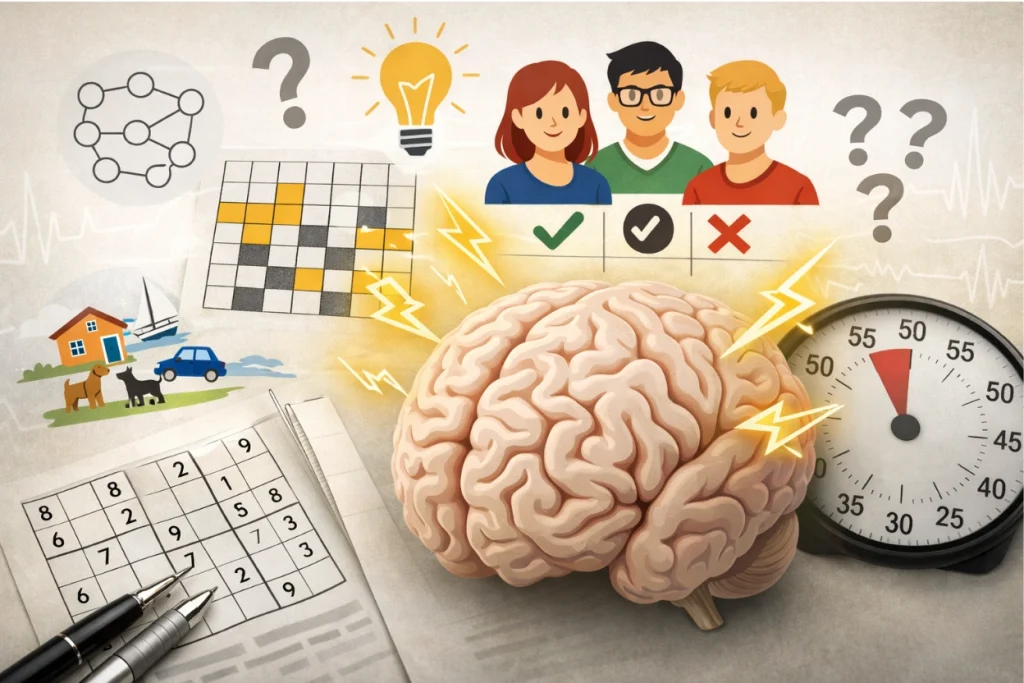
Logic games come in various forms, each designed to stimulate mental processes and encourage strategic thinking. Popular examples include:
- Sudoku: This number-placement game challenges players to fill a grid based on given clues, promoting pattern recognition and logical reasoning.
- Chess: A classic strategy game where players anticipate their opponent’s moves and devise strategies, enhancing foresight and tactical thinking.
- Crossword puzzles: These word games encourage vocabulary expansion and creative thinking, providing mental exercise through linguistic challenges.
- Logic grid puzzles: Involving deductive reasoning, these puzzles require players to use given clues to solve mysteries, sharpening analytical skills.
- Escape room challenges: These interactive experiences engage groups in solving a series of puzzles within a time limit, fostering teamwork and quick decision-making.
Engaging in such activities contributes to mental toughness by promoting:
- Enhanced focus: Logic games require sustained attention, teaching players the importance of concentration in overcoming obstacles.
- Creative thinking: Many puzzles present unconventional challenges that push players to think outside the box.
- Stress relief through engagement: Focusing on a game allows individuals to temporarily escape daily pressures, leading to improved mood and emotional balance.
Research supports the notion that regular participation in logic games fosters cognitive flexibility—the ability to switch between thinking about different concepts and to think about multiple concepts simultaneously. Improved cognitive flexibility is linked to greater emotional stability, enabling individuals to manage stress more effectively.
Moreover, logic games also provide a platform for social interaction. Whether competing against friends or enjoying a family game night, these activities encourage communication and cooperation. Forming strategies, celebrating victories, and navigating defeats together strengthen relationships and build a supportive community.
In summary, exploring the world of logic games not only serves as an enjoyable pastime but also equips individuals with vital skills for facing life’s challenges. By developing a resilient mindset, players can look forward to a future where they are better prepared for whatever obstacles may come their way.
EXPLORE MORE: Click here to learn about cognitive flexibility in gaming
How Logic Games Cultivate Mental Strength
Logic games offer a unique blend of entertainment and cognitive enhancement that can significantly contribute to an individual’s resilience. Engaging with these games fosters a range of mental skills that are essential for overcoming personal and professional challenges. More than just a way to pass the time, these games can shape our mindsets, teaching us how to tackle obstacles with a problem-solving approach.
One of the most significant advantages of engaging in logic games is the improvement of critical thinking skills. As players navigate complex scenarios, whether strategizing in chess or solving intricate Sudoku puzzles, they exercise their ability to analyze situations, formulate hypotheses, and draw conclusions. This constant mental workout strengthens pathways in the brain, making individuals more adept at thinking on their feet in real-life situations.
Additionally, logic games bolster perseverance. The nature of these games often compels players to face failures head-on—be it the countless attempts to complete a challenging crossword puzzle or the strategies that fall flat during a chess match. Each failure teaches valuable lessons about patience, determination, and the importance of adjusting one’s approach, all of which are critical components of resilience.
Far beyond just solitary play, the social dynamics of logic games also play a pivotal role in developing resilience. Consider family game nights or friendly competitions among peers. These interactions foster meaningful relationships while providing a space for individuals to practice teamwork and communication skills. Working together towards a common goal, strategizing, and navigating wins and losses as a unit cultivates a supportive network that can help each member withstand personal hardships.
Moreover, logic games encourage the development of emotional regulation. As players become immersed in challenging puzzles or competitive games, they learn to manage their feelings—whether it’s the frustration of a miscalculated move or the elation of a hard-fought victory. This practice in emotional control translates to real-life situations, helping individuals respond to stressors with a level-headed mindset.
- Problem-solving: Logic games require players to devise and adjust strategies, bolstering their resilience in real-life problem-solving scenarios.
- Focus and concentration: Sustained engagement in these activities sharpens attention, teaching individuals the value of concentration when facing difficulties.
- Improved adaptability: Engaging with various types of puzzles and games fosters mental agility, allowing players to shift gears and adapt to changing circumstances.
Ultimately, the fascinating world of logic games serves as a training ground for the mind, priming individuals for the trials and tribulations of daily life. In cultivating resilience through these mental challenges, players not only sharpen their skills but also reinforce their capacity to face adversity with confidence and creativity.
Exploring Logic Games and Their Role in Developing Resilience
Logic games have emerged as powerful tools in the quest for resilience, engaging individuals in mental challenges that not only entertain but also educate. These games, ranging from classic puzzles to complex strategy scenarios, require players to employ critical thinking and problem-solving skills, which are essential in navigating real-life obstacles. Engaging in logic games cultivates a mindset that embraces challenges, creating a foundation for resilience.In the face of adversity, individuals often encounter situations that demand quick thinking and adaptability. Logic games simulate these scenarios, providing practice in a risk-free environment. When players confront setbacks in these games, they learn to analyze their failures and devise strategies to overcome them. This process is vital in fostering a resilient mindset, encouraging them to persist in the face of life’s inevitable difficulties.Moreover, the community aspect of many logic games fosters social interaction and teamwork. Collaborative platforms allow participants to share tactics and insights, enhancing their problem-solving abilities while fostering empathy and communication skills. These social ties are integral to building resilience as they create support systems that individuals can rely on during tough times.Ultimately, research has shown that engaging with logic games contributes not only to personal development but also to mental well-being. This engagement can lead to increased confidence and a greater sense of accomplishment, further solidifying one’s resilience. As players navigate through intricate logic puzzles, they develop a toolbox of skills that can be applied to challenges beyond the gaming table. The advantages of incorporating logic games into one’s daily routine cannot be overstated. As individuals immerse themselves in these mental challenges, they stand to gain far more than just entertainment; they cultivate resilience that empowers them in all areas of life.
| Benefits of Logic Games | Key Characteristics |
|---|---|
| Cognitive Development | Enhances reasoning and analytical skills. |
| Stress Management | Provides a creative outlet for stress relief. |
| Goal Setting | Encourages players to set and achieve objectives. |
| Social Skills | Facilitates collaboration and teamwork among players. |
DIVE DEEPER: Click here to uncover the history
The Broader Impacts of Logic Games on Resilience Development
While the immediate benefits of logic games are evident in personal growth, their implications extend into broader society. Engaging in logic-based challenges cultivates not only individual resilience but also strengthens community ties and enhances problem-solving capacities on a collective scale. These elements work synergistically to create a more resilient society.
In educational settings, teachers and educators increasingly utilize logic games as tools for fostering resilience among students. Incorporating activities such as chess clubs or math competitions promotes skills that are essential for academic success. According to the American Psychological Association, cognitive games enhance not only academic performance but also social skill development, which becomes crucial in collaborative environments. Students learn how to navigate challenges, deal with competition, and recognize the value of both winning and losing—experiences that are invaluable as they transition into adulthood.
Moreover, schools are discovering the mental health benefits associated with logic games. In a time where anxiety rates among youth are climbing, engaging students in such games can reduce stress and provide a fun distraction from everyday pressures. An article published in the Journal of Pediatrics noted that game-oriented educational techniques decreased anxiety significantly in students. Logic games spark joy while simultaneously building cognitive skills; therefore, educators view them as an avenue for promoting not just resilience, but overall well-being.
The Role of Technology in Logic Games
In today’s digital age, online platforms and mobile applications have made logic games more accessible than ever. These technological advancements offer a variety of formats and challenges that cater to diverse preferences and skill levels. As a result, individuals can engage in mental challenges essentially anywhere and anytime. Popular apps, such as Lumosity and Peak, provide tailored brain exercises that encourage users to develop their capabilities further while measuring progress. This gamification of learning creates an engaging way for individuals to improve resilience by challenging their minds on a daily basis.
The integration of competitive online logic games fosters a sense of community among players. Platforms that allow individuals to compete against each other—such as online chess tournaments or Sudoku leagues—provide both social interaction and mental challenge. This camaraderie mitigates feelings of isolation, which can be detrimental to mental health. In essence, shared experiences and mutual support lay the groundwork for enhanced resilience, as players face challenges together and learn from their collective experiences.
Encouraging Lifelong Learning and Growth
Finally, an essential aspect of resilience is the mindset of lifelong learning. Logic games instill this desire by encouraging players to continually seek out new challenges. By tackling progressively difficult puzzles or exploring new gameplay mechanics, individuals learn that growth stems from stepping outside their comfort zones. This perspective is crucial not only for personal development but also for navigating the complexities of interpersonal and professional landscapes. Emphasizing curiosity and adaptability, logic games help forge a generation of resilient thinkers who maintain a proactive stance towards challenges.
- Community Engagement: Logic games create opportunities for social interactions, grounding resilience in supportive relationships.
- Stress Relief: These games serve as effective stress management tools, fostering mental well-being among participants.
- Encouragement of Lifelong Learning: Commitment to solving puzzles cultivates a growth mindset, crucial for success in various life domains.
Through these avenues, it becomes clear that logic games not only sharpen our minds but also weave a fabric of resilience that supports individuals and communities alike. The merging of mental challenge with social interaction uplifts the human experience, fostering an enriching environment to confront adversities with courage and strength.
DISCOVER MORE: Click here to enhance your problem-solving skills
Conclusion
In conclusion, developing resilience through mental challenges such as logic games is not merely beneficial; it is essential in today’s fast-paced world. The experiences gained through engaging with these games empower individuals to navigate life’s complexities with greater confidence and adaptability. By embracing the trials that logic games present, participants pave the way for personal growth and enhanced coping mechanisms, essential traits in both personal and professional realms.
Furthermore, the societal implications of fostering resilience through these games are profound. As we see educational institutions prioritizing logic-based activities, students not only enhance their cognitive abilities but also cultivate vital social skills—often leading to stronger community bonds. Such engagement reminds us that resilience is not a solitary endeavor; it flourishes within supportive networks, particularly in environments that encourage collaboration and shared experiences.
The rise of technology has further democratized access to logic games, making them a versatile tool for mental challenge and growth. The gamification of learning encourages a lifelong quest for knowledge and a proactive approach to challenges, allowing individuals to continuously expand their capabilities. Together, these elements foster a generation ready to face adversity head-on with strategic thinking and emotional strength.
In summary, the role of logic games transcends mere entertainment. They serve as an essential vehicle for building resilience, enhancing mental well-being, and nurturing lifelong learning. As we explore this unique avenue of personal development, it is clear that logic games can be a powerful ally in our quest for resilience, fostering not just strong individuals but resilient communities as well.
Related posts:
The Psychology Behind Logic Games: How Problem Solving Can Improve Your Critical Thinking
The Mathematics of Strategy Games: Solving Problems Through Game Theories
Interactive Puzzles: The Role of Digital Technologies in Enhancing Problem-Solving Skills
The Impact of Board Games on Group Problem Solving: Collaboration and Creativity in Action
Escape Games: How They Stimulate Problem Solving in High-Pressure Environments
The Role of Visual Puzzles in Learning Techniques for Solving Complex Problems

Linda Carter is a writer and puzzle expert specializing in mind games, brain teasers, and cognitive challenges. With extensive experience helping individuals enhance their problem-solving skills and think critically, Linda shares her knowledge on our platform. Her goal is to empower readers with practical advice, engaging puzzles, and strategies to sharpen their minds and achieve success in the captivating world of mind games and puzzles.