The Influence of Word Games on Improving Cognitive and Problem-Solving Skills

The Resurgence of Word Games
In today’s digital age, where distractions abound, the importance of mastering language is more critical than ever. Word games have gained renewed popularity not merely as a casual pastime but as significant tools for mental enhancement. Research continuously shows that engaging in these linguistic challenges positively affects cognitive development and bolsters essential problem-solving abilities.
The interest of educators and psychologists in word games is growing, and several compelling reasons back this trend:
- Enhancement of Vocabulary: Regular play exposes individuals to a broader range of words. For instance, games like Scrabble encourage players to not only learn new terms but also understand their usage, thereby promoting clearer and more effective communication. This becomes particularly valuable in both professional settings and personal interactions.
- Boosting Memory: Many word games, such as Boggle or Wordle, require players to recall words and recognize patterns quickly. This process of retrieval strengthens memory functions over time, akin to a workout for the brain, leading to improved retention skills in everyday life.
- Critical Thinking: Many word puzzles require a strategy for success. For example, crafting words in a limited space or collaborating with teammates to solve clues fosters analytical skills. These strategies are crucial not only in games but also in tackling complex real-world problems, thereby encouraging a law of constant mental engagement.
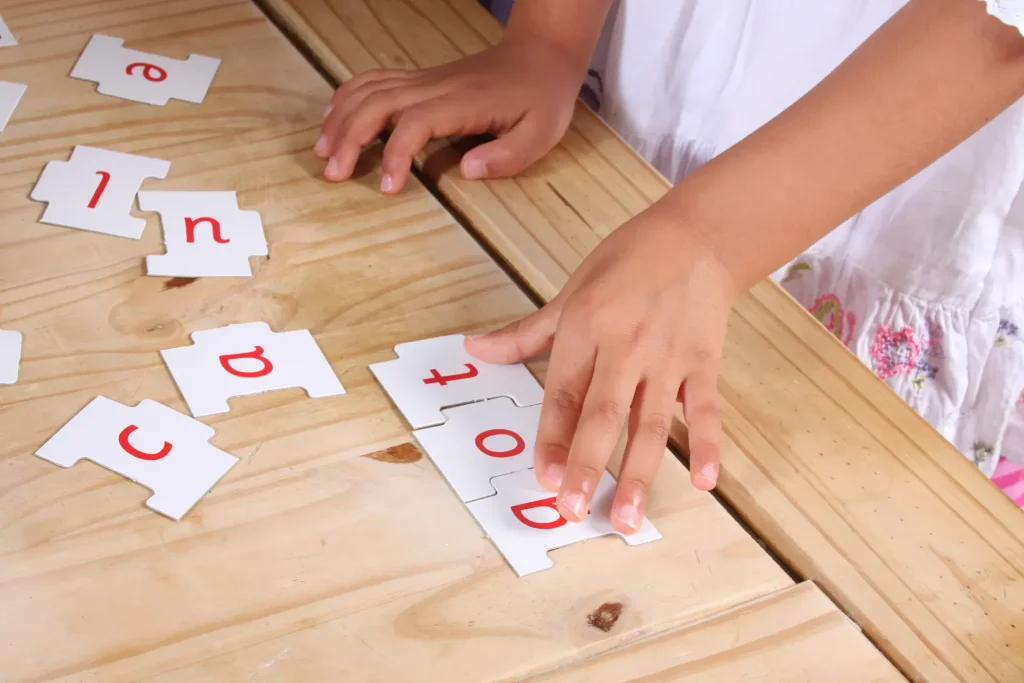
Word games are not monolithic; they come in various forms catering to different demographics. From traditional crossword puzzles found in newspapers to dynamic applications on smartphones, there is a game for everyone. Parents can introduce their children to phonetic and vocabulary games like Hangman to make learning fun. Institutions can implement word challenges to stimulate mental agility among students, making learning an engaging experience.
This trend toward integrating word games into everyday routines indicates a refreshing return to valuing cognitive engagement. As we explore this phenomenon further, it becomes evident that word games are shaping not only cognitive abilities but also enhancing the way we approach problem-solving in everyday life.
In conclusion, whether it is through a competitive tournament or a casual family game night, the impact of word games is universal. Their benefits extend beyond mere enjoyment, laying the groundwork for stronger communication skills, enhanced memory, and sharper critical thinking—skills that are invaluable in today’s society.
DISCOVER MORE: Click here to dive into the evolution of logical thinking in board games
The Cognitive Benefits of Word Games
Word games are not just entertainment; they serve as a rigorous training ground for the brain. Engaging regularly in these games activates various mental faculties that contribute significantly to cognitive enhancement and sharpened problem-solving skills. The multifaceted nature of word games cultivates several areas of mental acuity, making them invaluable tools for individuals of all ages.
Language Processing Skills: Playing word games enhances language processing skills, a fundamental aspect of cognitive development. Games like Words With Friends require players to think critically about their vocabulary and phrasing, thus improving their linguistic flexibility. This exercise trains the brain to decode and process language more efficiently, benefiting communication skills, reading comprehension, and even writing abilities.
Increased Attention Span: Many word-based games demand prolonged concentration and focus. For instance, solving a crossword puzzle requires not just knowledge but also the ability to maintain attention over a period of time. Regular engagement can lead to an improved attention span, enabling individuals to focus on complex tasks without succumbing to distractions. Research indicates that sustained concentration is linked with enhanced performance in academic and professional settings, making word games an effective strategy for maintaining mental acuity.
Strategic Thinking and Problem Solving: Word games encourage strategic thinking as participants often need to plan moves and anticipate opponents’ actions. Strategy-based games like Bananagrams necessitate quick decision-making, as players race against the clock to create words. This dynamic environment fosters a problem-solving mindset, honing the ability to navigate challenges with agility—a skill that translates directly to various life scenarios.
- Interaction and Collaboration: Many word games are designed for multiple players, promoting interaction. Collaborating with others to solve word puzzles helps develop teamwork skills and enhances social cognition, which are vital in both personal and professional relationships.
- Stress Reduction: Engaging in word games can also serve as a form of stress relief. The meditative nature of focusing on a puzzle allows players to disengage from stressors, thereby improving overall mental health. Studies show that a relaxed mind is often more adept at innovative thinking and problem resolution.
- Accessibility: With an array of options—ranging from mobile applications to board games—word games are highly accessible, making it easy for individuals from diverse backgrounds to participate. This inclusivity encourages people of all ages to make word games a regular part of their routine.
As we continue to recognize the myriad benefits of word games, it becomes clear that they foster not only greater cognitive abilities but also essential life skills that prepare individuals to tackle complex problems with confidence. In an increasingly demanding world, incorporating these games into daily life can lead to significant improvements in intellectual and emotional intelligence.
| Category | Impact |
|---|---|
| Cognitive Flexibility | Word games encourage players to think laterally, enhancing problem-solving skills and adaptability. |
| Vocabulary Expansion | Engaging with language puzzles leads to better language skills, broadening one’s ability to communicate effectively. |
In understanding the influence of word games on cognitive development, it becomes evident that they do far more than entertain. These games provide a structured platform for enhancing cognitive flexibility, a crucial component in navigating complex problem-solving environments. The rapid thought processes and strategic thinking required in games such as Scrabble or crossword puzzles challenge players to adapt their approaches continuously, sharpening their mental agility.Additionally, regular engagement with word games significantly boosts vocabulary retention and comprehension. As players encounter new terms and phrases, they not only learn these words in context but also enhance their ability to articulate thoughts clearly. This linguistic growth can translate to success in various real-life situations, including academics and professional environments. Overall, the interplay between recreational word games and cognitive enhancement is profound, inspiring players to delve deeper into the world of language while cultivating essential skills that extend beyond the gaming table.
DISCOVER MORE: Click here to uncover the link between memory challenges and neuroplasticity
Enhancing Mental Agility through Word Games
Word games are not only about vocabulary and spelling; they actively foster mental agility. This refers to the brain’s ability to absorb information quickly and adapt to new information effectively. As players engage with various word challenges, they are required to respond to evolving scenarios, which inherently enhances their capacity for flexible thinking—an essential skill in problem-solving contexts.
Memory Enhancement: The cognitive benefits of word games extend to memory enhancement. Regularly solving word puzzles strengthens both short-term and long-term memory. Games like Scrabble encourage players to remember the rules of scoring alongside their accrued vocabulary. This simultaneous focus on multiple elements requires utilizing working memory, effectively working out both retention and retrieval skills. Research suggests that individuals who frequently engage in memory-demanding games experience slower cognitive decline as they age, showcasing the potential long-term effects of maintaining mental fitness through wordplay.
Analytical Skills Development: Many word games necessitate breaking down complex problems into simpler components, thus aiding in the development of analytical skills. Players must evaluate which letters to use in creating words in order to maximize their scores, effectively analyzing their options under constraints. This strategic dissection of challenges directly correlates with improved ability to interpret data and make evidence-based decisions in real life. An interesting facet is that data from a study conducted by the American Psychological Association indicated that regular word game players often score higher in analytical reasoning tests compared to those who engage in non-cognitive leisure activities.
- Emotional Intelligence: Word games can also enhance emotional intelligence by allowing individuals to express thoughts creatively and interact meaningfully with others. Understanding the nuances of language and expression helps in empathizing with different viewpoints. This is particularly vital in networking and maintaining personal relationships, both of which are key in many professional environments.
- Problem Solving under Pressure: Timed word games, such as Speed Scrabble, create an intense yet enjoyable pressure environment. Players must not only create words but also do so rapidly, cultivating their ability to think swiftly and decisively. This experience is remarkably beneficial, translating well into environments where rapid problem-solving is crucial, such as in emergency response or high-stakes business scenarios.
- Cross-Generational Learning: Word games often encourage family and friends to play together, fostering social bonds across generations. This interaction not only ensures all-age cognitive development but also allows older players to share their strategies and insights, enriching the learning curve for younger participants. The sharing of knowledge helps cultivate a nurturing atmosphere where critical thinking is prioritized.
Word games stand as a bridge between fun and enrichment, capable of impacting various facets of cognitive development and problem-solving capabilities. As more individuals recognize the potential, the landscape of informal learning will continue to evolve, illustrating how play can profoundly influence mental health and intelligence in our daily lives.
DISCOVER MORE: Click here to learn about the cognitive benefits of puzzles
Conclusion
In summary, word games serve as a powerful tool for individuals seeking to enhance their cognitive abilities and problem-solving skills. As illustrated throughout this article, engaging consistently with word puzzles sharpens not only vocabulary and memory but also fosters key skills such as mental agility and analytical thinking. With an increasing body of research underscoring the long-term benefits of these games—such as slower cognitive decline in older adults—this trend warrants greater attention from educators and mental health advocates alike.
Furthermore, in a world where rapid decision-making and adaptability are prized, word games provide an enjoyable method to practice these qualities in a low-pressure environment. The interactivity involved nurtures emotional intelligence and encourages cross-generational engagement, making these games a multifaceted approach to cognitive training that transcends mere entertainment. By bridging leisure and learning, word games cultivate important life skills that extend beyond the game board and into everyday scenarios.
As we continue to adapt to the demands of an ever-evolving world, integrating word games into daily routines could prove invaluable. They remind us that playing is not just for children but can also be a refined path to enhance our minds, equipping us with the necessary tools to tackle complex challenges. Therefore, embracing these engaging pastimes may not only improve individual cognitive health but also contribute to a more resilient and capable society overall.
Related posts:
Escape Games: How They Stimulate Problem Solving in High-Pressure Environments
The Psychology Behind Logic Games: How Problem Solving Can Improve Your Critical Thinking
The Mathematics of Strategy Games: Solving Problems Through Game Theories
How Narrative in Puzzles Can Influence Problem-Solving Approaches
The Effect of Simulation Games on Real-World Problem Solving
The Impact of Board Games on Group Problem Solving: Collaboration and Creativity in Action

Linda Carter is a writer and puzzle expert specializing in mind games, brain teasers, and cognitive challenges. With extensive experience helping individuals enhance their problem-solving skills and think critically, Linda shares her knowledge on our platform. Her goal is to empower readers with practical advice, engaging puzzles, and strategies to sharpen their minds and achieve success in the captivating world of mind games and puzzles.